Top Emergency Plumbers in Miami, OH, 45005 | Compare & Call

There are 79 plumbing companies server in Miami OH

Specialized HVAC & Mechanical
Specialized HVAC & Mechanical is a trusted, licensed contractor serving Richmond, IN, and the surrounding communities. We are committed to delivering quality work at a fair price, focusing on exceedin...
DNA Construction & Welding
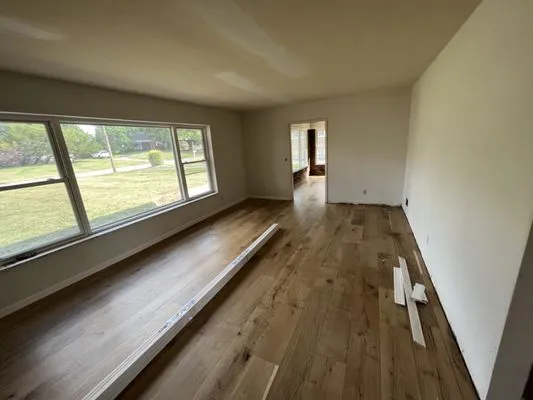
DNA Construction & Welding is a locally owned and operated contractor in Aurora, Indiana, founded and run by owner Dean. After a lifetime of experience in the trades, Dean created this company to be a...
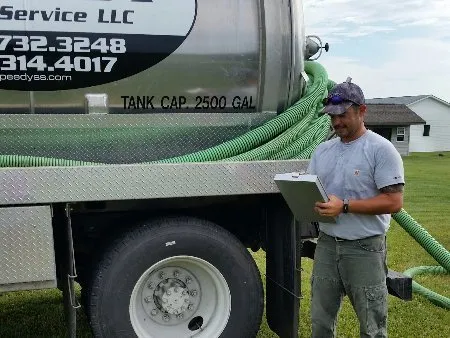
Speedy Septic Service is a trusted, family-owned provider serving West College Corner and the surrounding areas since 2013. Owner Aaron, a local veteran and family man, founded the company after his o...
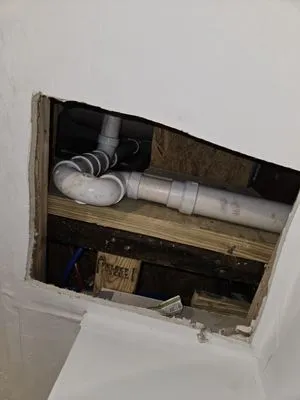
Weed's Home Services is a Veteran-owned home repair and improvement company serving West Harrison, IN, and the surrounding area. Founded in 2019, we bring over 15 years of hands-on experience to every...
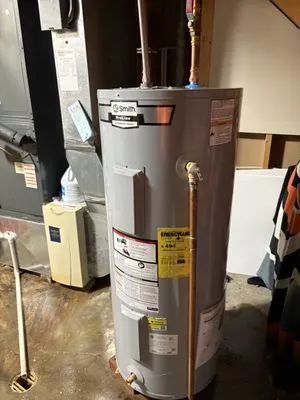
Premier Plumbing is a locally owned and operated plumbing service based in Covington, KY, proudly serving the entire Northern Kentucky and Cincinnati metro area. As a Covington Catholic High School gr...
KW Mechanical, Inc
KW Mechanical, Inc. is a family-owned mechanical contracting firm that has been serving Northern Kentucky and Cincinnati since 1987. Founded by Marvin and Karen Wischer, the company began as KW Electr...
AJ's Home Improvement Services is a trusted, full-service contractor serving Covington, KY homeowners with comprehensive plumbing, installation, and outdoor maintenance solutions. We specialize in add...
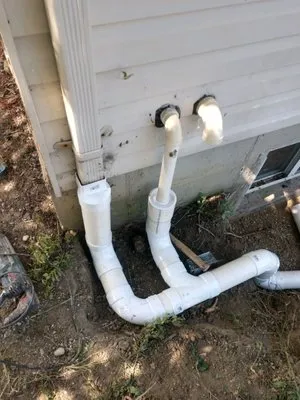
Plus Drainage is a licensed waterproofing company serving Alexandria, KY and the greater Cincinnati area for over 15 years. Led by Delbert, our team specializes in comprehensive drainage solutions for...
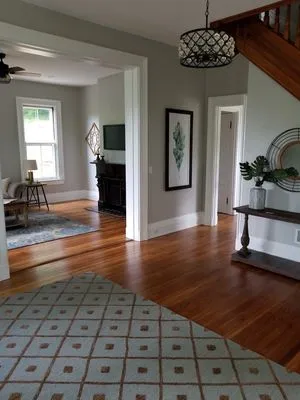
ADMP AquaDry is a premier maintenance, remodeling, and service organization based in Crittenden, KY, offering comprehensive reconstruction, remodeling, and structural foundation repair services. We sp...
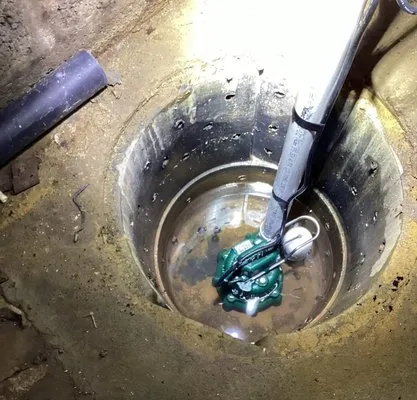
American Plumbing Solutions serves Maineville, Ohio, with reliable and transparent plumbing services. We believe in straightforward communication, providing clear, upfront pricing before any work begi...
Estimated Plumbing Costs in Miami, OH
Frequently Asked Questions
Do I need a permit to replace my water heater or repipe my house?
Most major plumbing work in Hamilton County requires a permit from the Building Department. As a Master Plumber licensed by the Ohio Construction Industry Licensing Board, I handle pulling those permits, scheduling inspections, and ensuring the work meets all current codes. This process protects your home's value and safety, and it's my job to manage that red tape so you don't have to navigate it yourself.
How long does it take for a plumber to get to me in Miami?
Heading past Miami Whitewater Forest on I-275, our dispatch route into most of Miami is typically a 30 to 45 minute drive. We factor in traffic patterns on I-275 and the county roads to provide a reliable window. This allows us to arrive prepared with the likely parts for your 1970s-era home, so we can start the repair immediately.
Could the hilly land near Miami Whitewater Forest cause plumbing problems?
The sloping terrain directly stresses your main water service line and sewer lateral. Over decades, soil settling and erosion on a hillside can cause pipes to sag or develop poor pitch, leading to drain blockages. For water supply lines, the constant gravitational pull can fatigue older connections. We often find that the lowest point of the main line, where it enters the house on a slope, is a common spot for corrosion and leaks to develop.
Why do I keep getting pinhole leaks in my copper pipes?
Pinhole leaks are a signature failure for 48-year-old copper systems here. A combination of the pipe's age, our area's hard water, and the original installation practices from 1978 leads to a process called Type 1 pitting corrosion. This creates highly localized, deep pits that eventually penetrate the pipe wall, often in horizontal sections or behind walls where water can pool and stagnate slightly.
Does hard water from the Great Miami River damage my appliances?
Yes, the mineral content that makes our water hard leads directly to scale buildup inside pipes and appliances. In water heaters, this layer of scale acts as an insulator, forcing the unit to work harder and burn out heating elements prematurely. You'll also see reduced flow and premature seal failure in faucets and valves as the abrasive scale wears down internal components.
What's the most important plumbing maintenance for a Miami winter?
The critical task is to disconnect and drain all outdoor hoses before temperatures hit the 22°F low. A frozen hose bib can crack the interior pipe valve, causing a major leak inside your wall. A good pro-tip for our temperate climate is to also insulate any pipes in unheated crawl spaces or garages, as a single overnight deep freeze during a spring thaw is often the culprit for bursts.
My house was built in the late 70s. What should I expect from the plumbing now?
Your home's original copper plumbing is now about 48 years old. In Miami Township, we're seeing a wave of copper pipes from that era failing due to pinhole leaks and joint fatigue. The thin-wall copper used in the 1970s reacts with our soil and water chemistry, leading to corrosion that often appears first at the joints or along horizontal runs. It's less about a single catastrophic failure and more a pattern of persistent, small leaks that emerge over a few years.
Are there special plumbing concerns for a rural Miami property?
Rural properties here often rely on private wells and septic systems, which have unique maintenance needs. Well pump pressure switches and tanks require regular service, and hard water accelerates wear. For septic systems, the hilly terrain means drain fields must be carefully situated to function correctly. Roots from the wooded areas common near Miami Whitewater Forest are also a constant threat to underground sewer lines.
