Top Emergency Plumbers in Miami Heights, OH, 45002 | Compare & Call

There are 185 plumbing companies server in Miami Heights OH
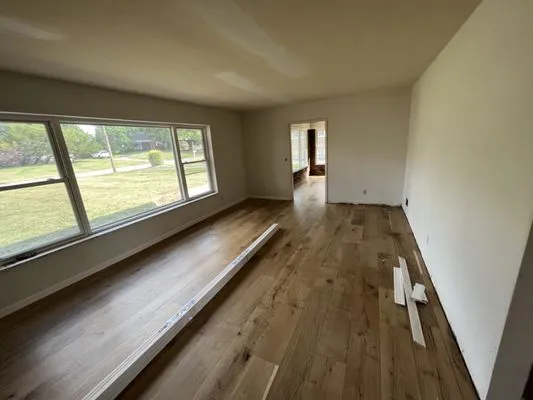
DNA Construction & Welding
DNA Construction & Welding is a locally owned and operated contractor in Aurora, Indiana, founded and run by owner Dean. After a lifetime of experience in the trades, Dean created this company to be a...
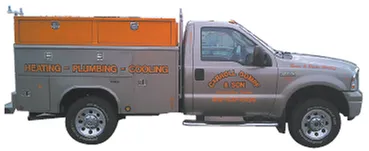
Carroll Gompf & Son Sewer
For over 60 years, Carroll Gompf & Son Sewer has been a trusted, family-owned plumbing and sewer service provider in Lawrenceburg and the surrounding Tri-State area. We handle a wide range of resident...
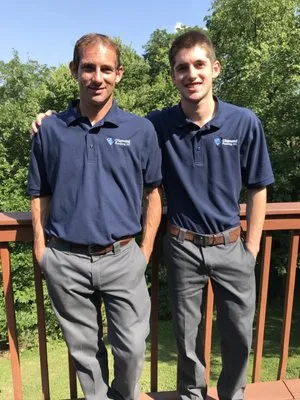
Diamond Plumbing is a family-owned and operated plumbing service based in Lawrenceburg, IN, founded by Ethan with deep roots in the trade. Growing up immersed in plumbing and business through his fath...
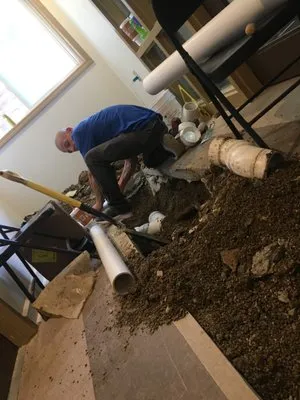
The Randyman in Aurora, IN is a family-owned and operated handyman and plumbing service built on a foundation of 20 years of experience. Founder Randy started the business to provide honest craftsmans...

Lawrenceburg Winsupply
Lawrenceburg Winsupply is your trusted local source for plumbing equipment and parts in Lawrenceburg, IN. We specialize in providing high-quality products that help homeowners and professionals tackle...
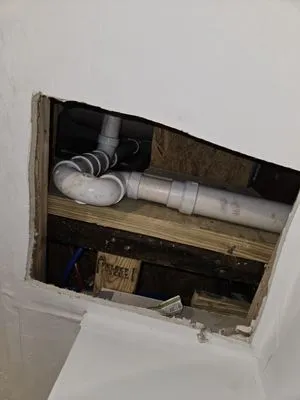
Weed's Home Services is a Veteran-owned home repair and improvement company serving West Harrison, IN, and the surrounding area. Founded in 2019, we bring over 15 years of hands-on experience to every...
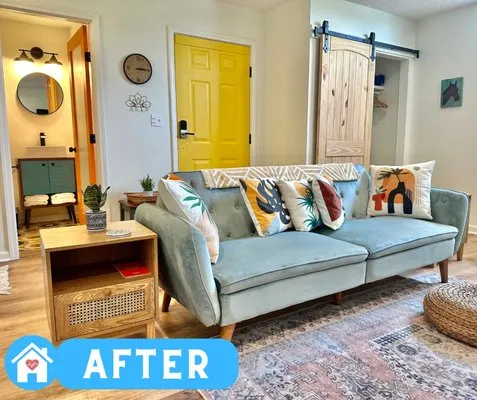
Nurse Nest Management is a trusted Hillview, KY business offering comprehensive property solutions for both residential and commercial clients. We specialize in interior design services—from full home...
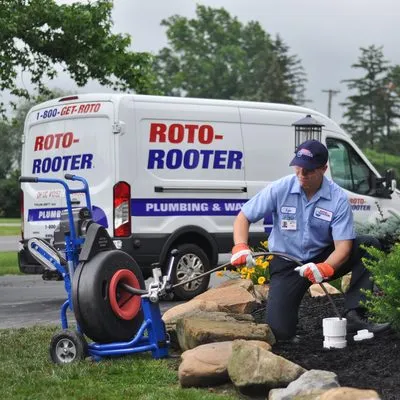
Roto-Rooter Plumbing & Water Cleanup
Roto-Rooter Plumbing & Water Cleanup in Florence, KY, is your local, reliable partner for all plumbing and water damage needs. We are a fully staffed, locally-operated team available 24 hours a day, 7...
Arlinghaus Plumbing Heating & Air Conditioning
Arlinghaus Plumbing Heating & Air Conditioning is a family-owned business proudly serving Erlanger, KY, and the Greater Cincinnati area since 2008. Founded by Brian and Heather Arlinghaus, our team of...
Arronco Comfort Air
Arronco Comfort Air has been a trusted, family-owned HVAC and plumbing company serving Burlington, KY, and the greater Cincinnati area since 1984. We specialize in geothermal and high-efficiency heati...
Estimated Plumbing Costs in Miami Heights, OH
Frequently Asked Questions
Does Ohio River water damage my water heater or fixtures?
Hard water from the Ohio River deposits mineral scale inside water heaters and fixtures, reducing efficiency and lifespan. Anodes in heaters corrode faster, and showerheads clog with calcium buildup. Over 10-15 years, this can cut heater capacity by 30% or cause premature failure. Installing a whole-house softener or regular descaling extends appliance life significantly in Miami Heights.
How quickly can a plumber reach my house in Miami Heights during an emergency?
Heading past Shawnee Lookout on I-275 gets me into Miami Heights neighborhoods within 20-30 minutes for urgent calls. That route avoids surface street delays common in hilly areas, letting me focus on your issue rather than traffic. I keep a truck stocked for common copper and scaling problems so we can start work immediately upon arrival.
My Miami Heights home was built around 2000—what should I expect from my plumbing now?
Copper pipes installed in 2000 are now 26 years old, which puts them in the typical failure window for pinhole leaks and joint calcification. Homeowners here often notice small blue-green stains under sinks or reduced water pressure as scale buildup reaches critical levels. This isn't sudden failure but gradual wear that accelerates after two decades of hard water exposure. Addressing these signs early prevents more extensive repairs down the line.
Why do my copper pipes keep springing pinhole leaks?
Copper pipes from 2000-era builds often develop pinhole leaks due to electrolytic corrosion and scale buildup from our hard water. The metal thins over 25+ years, especially at joints where dissimilar metals meet without proper dielectric unions. In Miami Heights, this manifests as small, persistent leaks behind walls or under slabs that worsen if ignored. Replacing affected sections with modern fittings usually resolves it for another few decades.
Could the hilly terrain near Shawnee Lookout affect my home's drainage?
Hilly slopes in Miami Heights shift soil and put lateral stress on main sewer lines, leading to bellies or cracks over time. Drainage systems must handle runoff without overwhelming pipes, or backups can occur during heavy rains. I often see misaligned connections or eroded bedding around foundations here, requiring targeted repairs rather than full replacements. Proper grading and periodic camera inspections catch issues early.
What should I do before spring thaw to avoid plumbing problems?
Before spring thaw peaks, insulate exposed pipes in crawl spaces and shut off outdoor spigots to prevent freeze damage when temperatures dip to 24°F. Thaw cycles stress older copper joints, so checking for leaks at fixtures and the main shutoff is wise. This temperate climate means sudden cold snaps are brief but impactful—a few preventive steps each March save costly emergency calls.
As a suburban homeowner, what unique plumbing issues should I watch for?
Suburban homes here connect to municipal systems with consistent pressure that tests older copper joints and valves. Tree roots seek water in lateral lines, causing slow drains or blockages if not cleared annually. Unlike rural setups with wells, you'll deal more with scale buildup from treated river water and main line access challenges on sloped lots. Regular maintenance adapts to these suburban specifics.
Do I need permits for plumbing work in Hamilton County, and who handles that?
Hamilton County requires permits for most plumbing repairs or replacements, which I file through the Building Department as a licensed master plumber. My Ohio Construction Industry Licensing Board credentials ensure work meets code, so you don't navigate red tape alone. This covers inspections for safety and compliance, giving peace of mind that upgrades won't cause issues when selling your Miami Heights home.
