Top Emergency Plumbers in McKean, OH, 43001 | Compare & Call

There are 148 plumbing companies server in Mckean OH

Buckeye Plumbing & Drains is your local, licensed plumbing and septic expert serving Orient and the surrounding central Ohio communities. We know plumbing problems are stressful, which is why our appr...

XCEL Plumbing & Drains is a locally owned and operated plumbing service dedicated to serving the residents of Columbus, Ohio. We understand that plumbing problems can disrupt your home and your day. O...
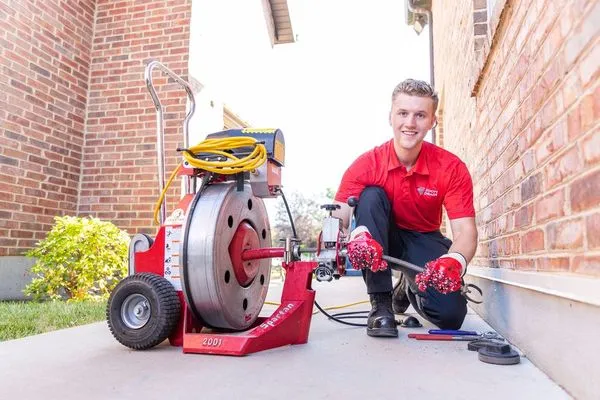
Zoom Drain in Powell, OH, is your local specialist for resolving stubborn drain and sewer issues. Our fully equipped service trucks arrive prepared for anything, featuring advanced video inspection te...

Flush Drains & JFM Excavations has been serving Columbus, OH, for over 20 years as a trusted plumbing and excavation contractor. We provide reliable, professional services at reasonable rates, special...
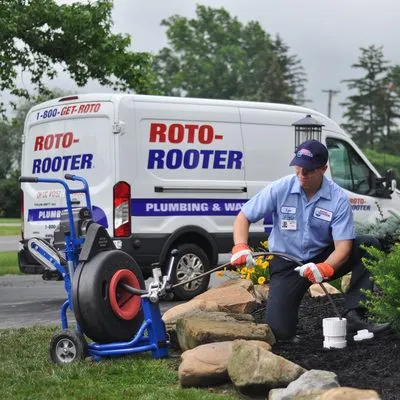
Roto-Rooter Plumbing & Water Cleanup
Roto-Rooter Plumbing & Water Cleanup in Columbus, OH is your local, 24/7 partner for plumbing and restoration needs. Our fully staffed team of dependable and friendly plumbers is ready to help homeown...

Mid City Property Pros is a Columbus-based home service company specializing in handyman, electrical, and plumbing work. We help local homeowners with repairs, installations, and maintenance, from fix...

Handyman 24 7 is a full-service home maintenance and repair company serving Columbus, OH, and surrounding areas. We provide a comprehensive range of solutions, from simple handyman tasks like furnitur...
Apex Plumbing, Heating, and Air Pros
Apex Plumbing, Heating, and Air Pros is Dublin's trusted local provider for comprehensive home comfort and plumbing solutions. We specialize in HVAC installation, repair, and maintenance to keep your ...
Roto-Rooter Plumbing & Water Cleanup
For over 85 years, Roto-Rooter has been the trusted name for plumbing and water cleanup in Columbus, OH. We are a locally operated team of licensed, background-checked professionals who understand the...
At Greene's Plumbing Service in Columbus, OH, we believe if a job's worth doing, it's worth doing right. That commitment to quality is the foundation of every repair and installation we handle for our...
Estimated Plumbing Costs in McKean, OH
FAQs
How fast can a plumber get to my house out here?
A standard dispatch route from central Licking County heads past the Licking County Fairgrounds onto State Route 16, directly into McKean. That's a reliable 45 to 60 minute drive for service calls. We plan for this transit, so you get an accurate arrival window. It’s not the quick city response some expect, but it’s the reality of serving this community well.
What's different about plumbing for a house with its own well and septic?
The entire system is your responsibility, from the well pump and pressure tank to the septic tank and drain field. A failure in one component affects the others; a faulty pressure switch can burn out a pump, and overuse from a leak can overload a septic system. There’s no municipal water pressure or city sewer main to rely on, so maintenance and timely repairs are critical to avoid a complete loss of service.
Do I need a permit to replace my water heater or re-pipe my house?
Licking County Building Department requires permits for most major plumbing work, including water heater replacements and whole-house re-pipes. As a Master Plumber licensed by the Ohio Construction Industry Licensing Board, I pull those permits, schedule the inspections, and ensure the work meets all current code. My job is to handle that red tape so you don’t have to navigate the county’s requirements yourself.
Does hard well water ruin water heaters and fixtures?
Yes, hard water from private wells deposits scale, which is primarily calcium and magnesium. This mineral buildup acts as an insulator inside your water heater tank, forcing it to work harder and fail sooner. On fixtures, scale clogs aerators and showerheads, reducing flow. Over years, this scaling also narrows pipe diameter internally, increasing pressure and stress on the entire plumbing system.
Are copper pipes from the 1970s a problem for my home in McKean?
Copper plumbing installed in McKean homes around 1978 is now 48 years old. At this age, the original water chemistry and installation methods have taken their toll. Homeowners in McKean Center are often calling about pinhole leaks that appear in walls or ceilings, which is a hallmark of copper reaching its service life expectancy. The pipe walls thin from internal corrosion over decades, leading to these sudden failures.
Could the flat land around here cause drainage or sewer problems?
The relatively plain terrain near the Licking County Fairgrounds lacks the natural slope for ideal drainage. This can put constant, low-grade hydrostatic pressure on your main sewer line as groundwater seeks the path of least resistance. Over time, that pressure can stress older pipe joints and contribute to infiltration, where groundwater seeps into the line through cracks, potentially causing backups during heavy rain.
What's the most important spring plumbing tip for this area?
Before the spring thaw hits its peak, disconnect any garden hoses from your exterior hose bibs. A hose left connected traps water in the bib; when temperatures still drop to around 20°F at night, that water freezes and can split the pipe inside your wall. It’s a simple, five-second task that prevents a very common and costly leak once things start warming up.
Why does my 1970s copper pipe keep springing pinhole leaks?
Copper pipe from that era, especially with our well water, is prone to a specific type of corrosion called Type 1 pitting. Microscopic pits form on the interior wall and eventually penetrate it, causing those small, spraying leaks. The age of the pipe, combined with the water's pH and mineral content from private wells, accelerates this process. It’s a material failure we see consistently in homes built in the late 70s.
