Top Emergency Plumbers in Lyndhurst, OH, 44122 | Compare & Call

There are 238 plumbing companies server in Lyndhurst OH
Fred The Handyman is your trusted local professional serving Valleyview and Northeast Ohio. Since 2017, Fred has built a solid reputation providing reliable handyman, plumbing, and appliance services ...

ExpertPipe Rooter is a family-owned plumbing service based in Cleveland, OH, dedicated to providing reliable and transparent solutions for residential plumbing needs. We specialize in a comprehensive ...
W F Hann & Sons
W F Hann & Sons has been a trusted provider of HVAC, plumbing, and electrical services in Northeast Ohio since 1907. Based in Warrensville Heights, our family-owned company offers reliable installatio...
Sal's Heating & Cooling, Plumbing & Sewer
Sal's Heating & Cooling, Plumbing & Sewer has been serving North Royalton and surrounding communities since 1975. Founded by Sal Sidoti Sr. and now led by his son Sal Sidoti, this family-owned busines...
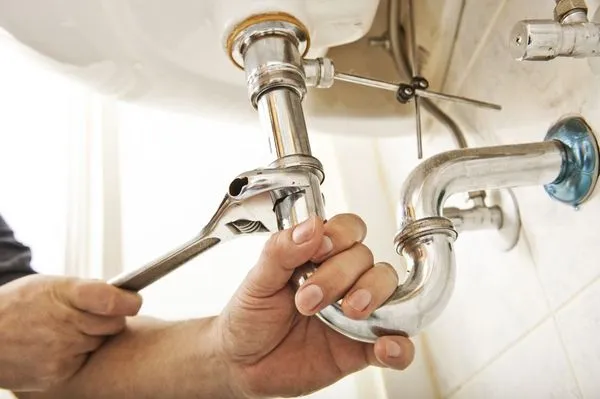
CS Sewer Drain and Plumbing is a trusted, family-owned plumbing service proudly serving North Ridgeville and the surrounding Northeast Ohio communities. With over 75 years of combined hands-on experie...
1-800-Plumber +Air
1-800-Plumber +Air of Valley View is your locally owned and operated plumbing and HVAC partner, backed by the resources of a trusted national brand. We're a family business serving our neighbors with ...
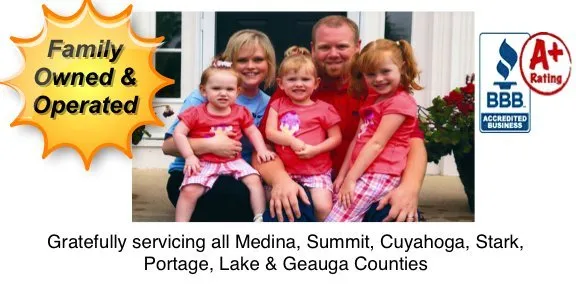
Plumbing 911 is a family-owned and operated plumbing service serving Akron and Northeast Ohio since 2010. Founded by Master Plumber Keith Miller and his wife Karen, the business is built on a simple p...
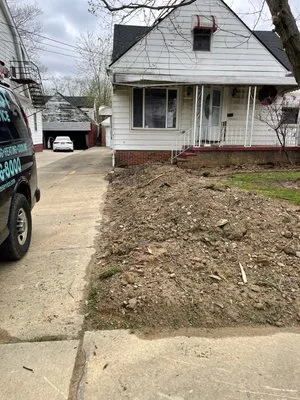
Steadfast Plumbing & Heating
Steadfast Plumbing & Heating is your trusted local partner for reliable plumbing and HVAC services in Eastlake, OH, and throughout Lake County. We are a licensed, full-service company committed to res...
On Demand Plumbing is your trusted, full-service plumbing contractor serving North Olmsted and the surrounding communities. We specialize in a comprehensive range of residential plumbing services, fro...
For Fairview Park homeowners dealing with plumbing issues, Royal Flush Plumbing offers reliable, expert service. Founded in 2004, we provide a comprehensive range of solutions from routine faucet repa...
Estimated Plumbing Costs in Lyndhurst, OH
FAQs
What permits are needed for a water heater replacement in Lyndhurst?
The Lyndhurst Building Department requires a permit for any water heater installation. As a master plumber licensed by the Ohio Construction Industry Licensing Board, I pull that permit, schedule the inspection, and ensure the work meets all current code for expansion tanks and drainage. Handling that red tape is part of the job so you don't have to.
As a Lyndhurst homeowner, am I responsible if the sewer backs up?
Typically, yes. The city maintains the main sewer line under the street, but the lateral from your house to that main is your responsibility. In our older suburban neighborhoods, tree roots seeking moisture are the most common culprit for invading and clogging these clay or cast iron laterals, requiring professional snaking or jetting.
Why are so many Lyndhurst homes from the 1950s having water pressure issues?
Homes built around 1958, especially in the Brainard-Cedar area, are now 68 years old. The original galvanized steel water lines have reached the end of their service life. What you're seeing now is the interior of the pipe walls corroding to the point where the opening is the size of a pencil lead. This severely restricts water flow to fixtures on the second floor or at the far end of the house.
What's happening when a small, rusty leak appears on my basement pipe?
That's a classic pinhole leak from aged galvanized steel. The pipe wall corrodes from the inside out, creating a weak spot that finally gives way. These leaks often start at threaded joints where two pipes connect, as that's where corrosion and calcification from our hard water concentrate the most stress.
How fast can a plumber get to my house in Lyndhurst during an emergency?
Heading past Legacy Village on I-271 gets me to most of Lyndhurst in under 20 minutes. That corridor is the main artery for dispatch. From there, local side streets off Cedar or Richmond are direct. A 30-minute window is the standard for a true emergency call-out to contain water damage.
Does Lake Erie water affect my home's plumbing?
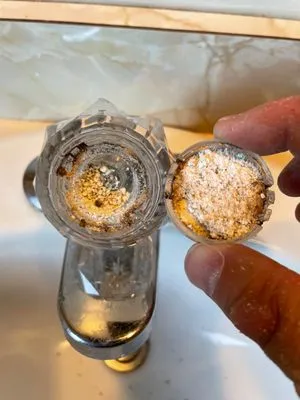
Yes, the mineral content from the lake makes our water very hard. Over time, scale builds up inside pipes, water heaters, and faucet cartridges. For a water heater, this sediment layer acts like an insulator, forcing the unit to work harder and fail years early. Anode rod depletion also accelerates.
Could the hills in my yard be causing a drainage or sewer problem?
Absolutely. The hilly terrain around Legacy Village and south Lyndhurst puts constant, uneven stress on the main sewer lateral running to the street. Over decades, this can cause the pipe to sag or its joints to separate. That low spot then collects debris and leads to repeated slow drains or backups in the lowest level of your home.
What should I do to prepare my plumbing for the Lyndhurst winter?
Before temperatures hit 20 degrees, disconnect and drain outdoor hoses. Insulate any exposed pipes in unheated spaces like garages or crawl spaces. The bigger pro-tip is to know where your main water shut-off valve is. During the spring thaw, ground shifting can stress old service lines, and you need to be able to stop the water fast.
