Top Emergency Plumbers in Lynchburg, OH, 45142 | Compare & Call

There are 28 plumbing companies server in Lynchburg OH

Drain Openers is a locally owned and operated plumbing service based in Columbus, OH, with deep roots in the community. Founded with over 30 years of plumbing expertise that began after military servi...
Plumb Tech LLC is a family-owned plumbing service in Bainbridge, Ohio, built on three generations of expertise. Owner Bart, a state-licensed master plumber with over 21 years of experience, learned th...
Benjamin Franklin Plumbing of Cincinnati
Benjamin Franklin Plumbing of Cincinnati is a locally owned and operated provider serving the greater Cincinnati area. As part of the respected Benjamin Franklin Plumbing brand, we bring a legacy of p...
Zoom Drain in Hillsboro, OH is a family-owned plumbing service operated by Ohio natives Lannae and Alex Greene. This mother-son team brings a personal touch to drain and sewer solutions, with Alex's e...
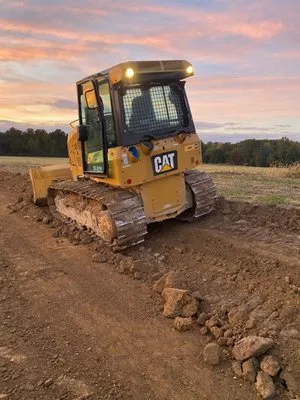
For over a decade, Favorite Excavation & Piping has been the trusted local choice for plumbing, excavation, and concrete work in Morrow, OH, and the surrounding Tri-state area. As a fully licensed and...
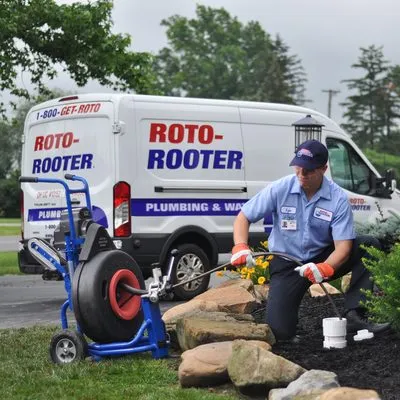
Roto-Rooter Plumbing & Water Cleanup
Roto-Rooter Plumbing & Water Cleanup provides reliable plumbing and emergency restoration services for Miamisburg, OH. Our team of local, licensed plumbers is ready to help 24 hours a day, 7 days a we...
Forsee Plumbing is a trusted local plumbing service serving homeowners throughout Cincinnati, OH. We understand that common issues like dishwasher leaks and pipe joint leaks can disrupt daily life and...

Pinnacle Home Services
Pinnacle Home Services is a trusted Milford-based electrical and plumbing contractor with over 30 years of experience serving local homeowners. We operate on principles of honesty and integrity, focus...

25th Hour Services is a family-owned property maintenance company deeply rooted in Cincinnati. We take pride in serving our community with reliable handyman, plumbing, electrical, carpentry, and paint...
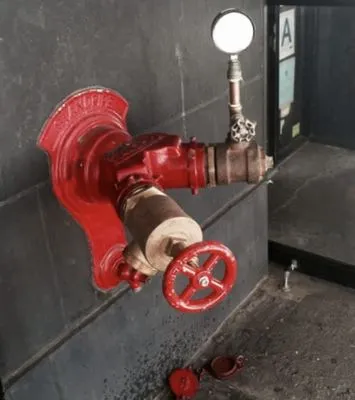
Paper City Fire Protection
With over 18 years in the fire and security industry, Paper City Fire Protection brings extensive expertise directly to Chillicothe. After years of working for other companies, the owner founded this ...
Estimated Plumbing Costs in Lynchburg, OH
Question Answers
Can the flat land around Lynchburg cause drainage issues for my plumbing?
The relatively plain terrain means stormwater doesn't always runoff quickly. Saturated soil around your foundation, say near the Historical Society area, increases hydrostatic pressure on basement walls and can stress the main sewer line exiting your home. Ensuring your yard is graded to slope away from the foundation and that downspouts discharge well away from the house is critical for long-term drainage.
Are there special plumbing considerations for a rural Lynchburg home?
Operating a private well and septic system introduces specific maintenance needs. Well pump pressure switches and tanks require periodic service, and the septic field's health directly affects your drains. Unlike a municipal system, you're responsible for the entire water cycle from the well cap to the septic leach field, so proactive checks on both systems are part of routine homeownership here.
Does hard well water damage my plumbing appliances?
Yes, the mineral-heavy water from private wells here accelerates scale buildup. Inside a water heater, this sediment insulates the heating element, forcing it to work harder and fail prematurely. At fixtures, scale restricts flow and can jam cartridge valves. Installing a whole-house water softener is the standard defense to protect appliances and maintain water pressure throughout the home.
How fast can a plumber get to my house in Lynchburg?
A local dispatch typically heads past the Lynchburg Historical Society to access US-68, which connects most of the area. From there, it's routing through the local roads off the highway. For a service call, you can expect a technician on site within 45 to 60 minutes under normal traffic conditions, which is standard for covering the rural routes here.
How long should copper plumbing last in a Lynchburg home?
Copper pipes installed around 1972 are now 54 years old. Homeowners in the Lynchburg Village Center area often call when they see blue-green corrosion stains at joints or small, persistent leaks. At this age, the internal pipe walls have thinned from decades of water flow, making them more susceptible to pinhole leaks, especially during pressure changes. It's a common maintenance phase for homes of this vintage.
Do I need a permit to replace my water heater in Highland County?
Yes, the Highland County Building Department typically requires a permit for water heater replacement to ensure safe pressure and temperature relief valve installation and proper venting. As a master plumber licensed by the Ohio Construction Industry Licensing Board, I pull the necessary permits, schedule the county inspection, and handle that red tape so you don't have to navigate the process yourself.
Why do my 1970s copper pipes keep springing pinhole leaks?
Copper pipe from that era can suffer from a form of erosion-corrosion. Over 54 years, microscopic wear from water velocity and mineral content in our well water slowly thins the pipe wall. This creates weak spots that eventually fail as pinholes. The leaks often appear first on horizontal hot water lines or at fittings where turbulence is highest, requiring section replacement rather than just a patch.
What's the most important spring plumbing task for Lynchburg homes?
Before the spring thaw hits its peak, disconnect any garden hoses from your exterior spigots. A hose left connected traps water in the bib; when overnight temps still dip near 21°F, that water can freeze and crack the pipe inside your wall. This simple step prevents one of the most common and costly freeze-related leaks we see in this temperate climate.
