Top Emergency Plumbers in Loveland Park, OH, 45039 | Compare & Call

There are 169 plumbing companies server in Loveland Park OH
Weed's Home Services is a Veteran-owned home repair and improvement company serving West Harrison, IN, and the surrounding area. Founded in 2019, we bring over 15 years of hands-on experience to every...
Cody's Drain Cleaning and Repair
Cody's Drain Cleaning and Repair is a locally owned plumbing and excavation business serving Lawrenceburg, IN, with over 20 years of plumbing and 13 years of excavation experience. As a private owner-...
Arlinghaus Plumbing Heating & Air Conditioning
Arlinghaus Plumbing Heating & Air Conditioning is a family-owned business proudly serving Erlanger, KY, and the Greater Cincinnati area since 2008. Founded by Brian and Heather Arlinghaus, our team of...
Arronco Comfort Air
Arronco Comfort Air has been a trusted, family-owned HVAC and plumbing company serving Burlington, KY, and the greater Cincinnati area since 1984. We specialize in geothermal and high-efficiency heati...
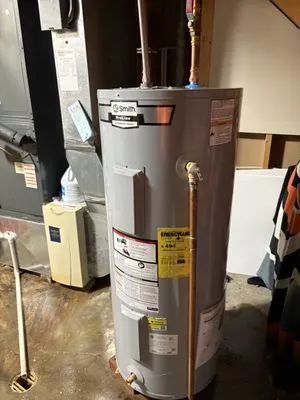
Premier Plumbing is a locally owned and operated plumbing service based in Covington, KY, proudly serving the entire Northern Kentucky and Cincinnati metro area. As a Covington Catholic High School gr...
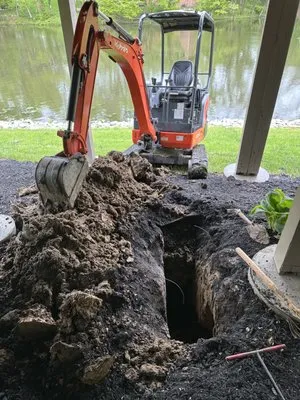
Kremer Plumbing Services
Kremer Plumbing Services has been serving Alexandria, KY since 2014 with a straightforward mission: to make plumbing repairs easy, quick, and affordable. This commitment has established us as a truste...
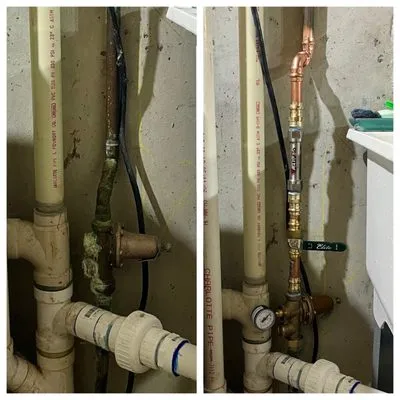
Jolly Plumbing
Jolly Plumbing has been serving Northern Kentucky and Greater Cincinnati since 1979, starting as a small family operation with Barry T. Jolly in the field and his wife Susan handling office duties. Ov...
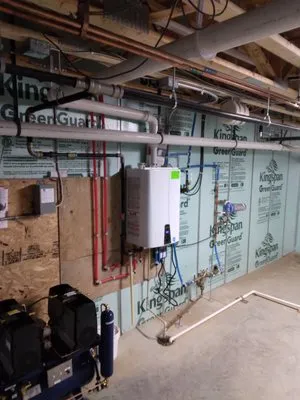
R&T Plumbing LLC is a locally owned and operated business serving Fort Thomas, KY. Founded by a plumber who started as a helper in 2009, the company is built on a foundation of deep, practical experie...
AJ's Home Improvement Services is a trusted, full-service contractor serving Covington, KY homeowners with comprehensive plumbing, installation, and outdoor maintenance solutions. We specialize in add...

BoneDry Waterproofing is a trusted waterproofing company serving Crittenden, KY, and surrounding areas in Kentucky and Ohio. We specialize in comprehensive moisture control and waterproofing solutions...
Estimated Plumbing Costs in Loveland Park, OH
Common Questions
Why do older copper pipes in Loveland Park homes develop leaks?
Copper pipes installed in 1979 often develop pinhole leaks due to electrolytic corrosion and joint calcification. The solder joints between pipe sections become brittle over decades, allowing microscopic cracks to form where water seeps through. Scale buildup inside the pipes creates uneven pressure points that eventually wear through the copper. These failures typically start in hot water lines where thermal expansion stresses the aged metal.
What plumbing issues are common in Loveland Park's suburban homes?
Suburban homes here connect to municipal water with consistent pressure that tests older pipe joints. Tree roots seek moisture in lateral lines, especially near mature landscaping common in these neighborhoods. Standard water pressure regulators sometimes fail after decades, causing sudden pressure spikes that stress aging fixtures. Shared utility easements between properties require coordination when accessing buried lines for repairs.
How old are the copper pipes in Loveland Heights homes and what should I watch for?
Copper plumbing in this area was installed around 1979, making it 47 years old as of 2026. At this age, homeowners in Loveland Heights often notice pinhole leaks appearing in hot water lines first, especially behind walls or under slabs. The copper has experienced decades of water flow and mineral interaction, thinning the pipe walls gradually. You might see small damp spots on drywall or hear dripping sounds when no fixture is running.
What spring plumbing maintenance do I need for Loveland's temperature swings?
Spring thaw brings temperature swings that stress plumbing systems. A pro-tip: disconnect garden hoses before the last freeze to prevent ice damage to outdoor faucets and interior pipes. Check crawl space insulation for gaps where cold air reaches pipes during 22°F lows. Monitor basement walls for new dampness as ground thaws, which can indicate foundation shifts affecting main lines.
How quickly can a plumber reach my home in Loveland Park during an emergency?
Heading past Little Miami Scenic Trail on I-275 provides a direct route to most Loveland Park addresses. From my shop location, this dispatch route typically takes 30-45 minutes depending on traffic patterns and your specific neighborhood. I plan routes to avoid school zones during peak hours and monitor construction alerts on I-275 for the fastest approach.
Does the hilly terrain near Little Miami Scenic Trail cause plumbing problems?
Hilly slopes around the trail create drainage challenges that stress main sewer lines. Gravity pulls wastewater downhill rapidly, increasing pressure on pipe joints and potentially causing separation over time. Soil erosion on slopes can expose buried pipes to freeze-thaw cycles and physical damage. Properties at elevation changes often experience slower drainage in lower sections due to the terrain's natural flow patterns.
How does hard water from the Little Miami River affect my plumbing fixtures?
Hard water from the Little Miami River carries dissolved minerals that deposit as scale inside pipes and appliances. Water heaters accumulate scale on heating elements, reducing efficiency and shortening tank lifespan. Fixtures like showerheads and faucet aerators clog with mineral deposits, decreasing water pressure over time. This scaling also accelerates wear on washing machine valves and dishwasher pumps.
Who handles permits for plumbing work in Loveland and are you licensed?
The City of Loveland Building and Zoning Department requires permits for most plumbing modifications. I hold current Ohio Construction Industry Licensing Board credentials and handle the permit paperwork directly with the city. This includes scheduling required inspections and ensuring work meets local code updates. You avoid the red tape while I manage compliance documentation for your project.
