Top Emergency Plumbers in Liverpool, OH, 44212 | Compare & Call

There are 108 plumbing companies server in Liverpool OH
JM Cashdollar Plumbing began by handling all types of residential maintenance work in the Chester area. Through that experience, we recognized a pressing, local need for reliable plumbing services and...
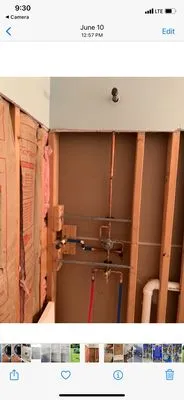
Advanced Plumbing in Austintown, OH, is a trusted local plumbing service provider dedicated to helping homeowners and businesses with a wide range of plumbing needs. From routine installations and rep...
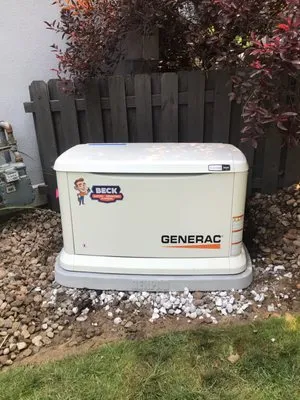
Beck Electric, Generators, & Plumbing
Since 2007, Beck Electric, Generators & Plumbing has been a trusted, family-owned resource for Canton and Waynesburg area homeowners. We provide reliable electrical and plumbing solutions for both eve...
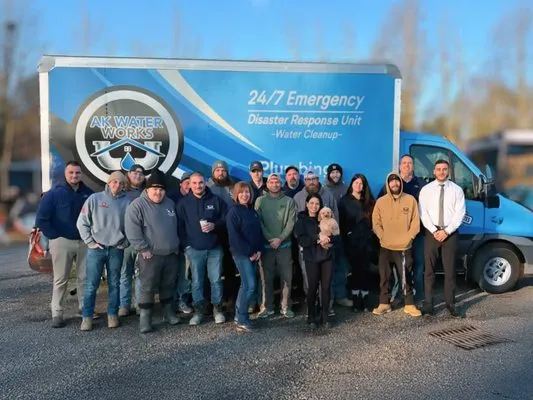
AK Water Works Plumbing & Drain
AK Water Works Plumbing & Drain is a family-owned, locally-operated plumbing company dedicated to serving Warren, OH, and the surrounding communities. We understand that plumbing problems are more tha...

R & R Mechanical is a Cleveland-based, MBE & EDGE certified mechanical services provider founded in 1986. With a team of licensed and insured plumbers boasting over a century of combined experience, t...
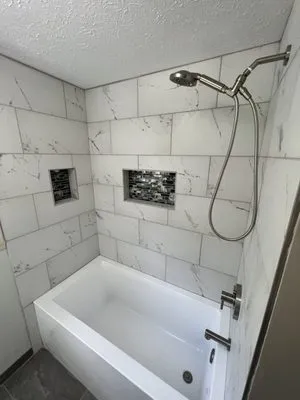
LM Home Improvement & Renovation LLC is a Norton-based contractor dedicated to transforming homes throughout the community. We specialize in comprehensive interior remodeling, with a strong focus on b...
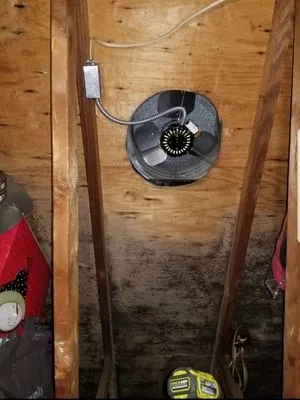
Red House Home Repair LLC is your local, trusted handyman serving the Lisbon community. With seven years of dedicated experience, we have built a reputation for reliable, high-quality workmanship and ...
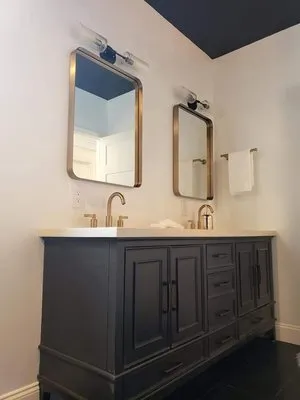
Berger Plumbing & Drain is a family-run plumbing service proudly serving Boardman and the surrounding Mahoning Valley. Founded on over 18 years of hands-on experience in the trade, our business was bu...
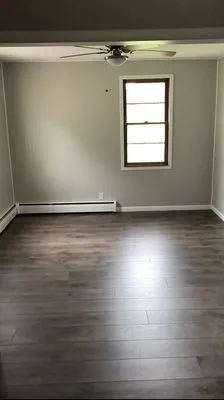
Edwards Home Repair is a new Lisbon-based company built on 30 years of hands-on experience. Owner Edward Byrne began his career working alongside his father, a licensed builder, learning carpentry, re...
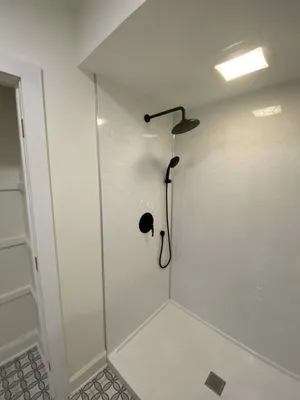
Go 2 Plumbing & Drain Service is your trusted local plumber in North Lima, OH, providing reliable solutions for residential plumbing and drain issues. We specialize in a full range of services from ba...
Estimated Plumbing Costs in Liverpool, OH
Question Answers
My Liverpool home has old pipes - what should I expect at this age?
Galvanized steel pipes installed around 1949 are now 77 years old. Homeowners in Downtown East Liverpool are seeing significant rust buildup inside the pipes, which restricts water flow and causes pressure drops. You might notice brownish water when you first turn on taps in the morning, or hear banging noises in the walls when water flows through narrowed sections. The steel has likely corroded to about half its original thickness in many sections.
What should I do before spring thaw to prevent plumbing problems?
Before temperatures rise above freezing consistently, check all exposed pipes for insulation gaps, especially in unheated crawl spaces. Drain outdoor spigots and disconnect hoses to prevent backflow into interior lines. Monitor your water pressure during thaw periods - sudden increases can stress old pipes. Keep your basement or crawl space temperature above 55°F to prevent residual freezing in vulnerable areas as snow melts and groundwater rises.
As an urban homeowner, what unique plumbing issues should I watch for?
Municipal water pressure in Liverpool's urban areas typically runs 60-80 PSI, which can stress older galvanized pipes. Tree roots frequently invade lateral sewer lines seeking moisture, causing blockages that require professional clearing. Shared walls in attached homes mean a leak in your plumbing could affect neighbors, making prompt repairs essential. Regular inspections of your main shutoff valve ensure you can isolate your home from the city supply during emergencies.
What permits do I need for plumbing work in East Liverpool?
The East Liverpool Building Department requires permits for most plumbing replacements, including water heaters, sewer lines, and repiping projects. As a master plumber licensed through the Ohio Construction Industry Licensing Board, I handle the red tape so you don't have to. This includes submitting plans, scheduling inspections, and ensuring all work meets current code requirements for safety and insurance purposes.
How quickly can a plumber reach my home in Liverpool?
Heading past Museum of Ceramics on State Route 11, I can reach most Liverpool addresses within 20-30 minutes. That route provides direct access to residential areas while avoiding downtown congestion during business hours. The timing depends on traffic patterns, but I plan routes to minimize delays when responding to emergencies like burst pipes or water heater failures.
Could my home's hillside location cause drainage issues?
Hilly terrain around Museum of Ceramics puts extra stress on main sewer lines through soil shifting and erosion. Downward slopes can create excessive pressure on pipe joints, while upward slopes may cause drainage backups during heavy rain. The clay soil common in this area expands when wet, potentially shifting foundation pipes. Proper grading around your home's perimeter helps direct water away from the main line connection point.
Does Ohio River water damage my plumbing fixtures?
Hard water from the Ohio River causes scale buildup that particularly affects water heaters. Sediment accumulates in the tank bottom, reducing efficiency and shortening the appliance's lifespan. Fixtures develop mineral deposits around aerators and showerheads, restricting flow over time. Water heaters in Liverpool homes typically need flushing every 12-18 months to manage this scaling, and dielectric unions help prevent corrosion where dissimilar metals connect.
Why do my old pipes keep springing small leaks?
Galvanized steel pipes from 1949 develop pinhole leaks where internal corrosion has eaten through the pipe wall. Joint calcification is another common issue - mineral deposits build up at threaded connections, creating stress points that eventually crack. These failures often occur first in horizontal runs under floors where water sits, accelerating corrosion through constant contact with the steel interior.
