Top Emergency Plumbers in Lincoln, OH, 43315 | Compare & Call

There are 132 plumbing companies server in Lincoln OH
Buckeye Plumbing & Drains is your local, licensed plumbing and septic expert serving Orient and the surrounding central Ohio communities. We know plumbing problems are stressful, which is why our appr...

XCEL Plumbing & Drains is a locally owned and operated plumbing service dedicated to serving the residents of Columbus, Ohio. We understand that plumbing problems can disrupt your home and your day. O...
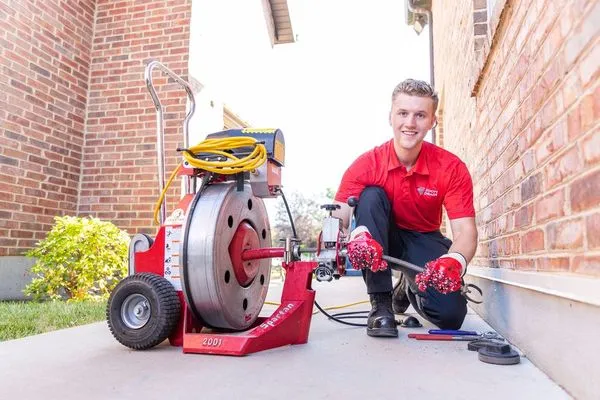
Zoom Drain in Powell, OH, is your local specialist for resolving stubborn drain and sewer issues. Our fully equipped service trucks arrive prepared for anything, featuring advanced video inspection te...

Mid City Property Pros is a Columbus-based home service company specializing in handyman, electrical, and plumbing work. We help local homeowners with repairs, installations, and maintenance, from fix...

Handyman 24 7 is a full-service home maintenance and repair company serving Columbus, OH, and surrounding areas. We provide a comprehensive range of solutions, from simple handyman tasks like furnitur...
At Greene's Plumbing Service in Columbus, OH, we believe if a job's worth doing, it's worth doing right. That commitment to quality is the foundation of every repair and installation we handle for our...
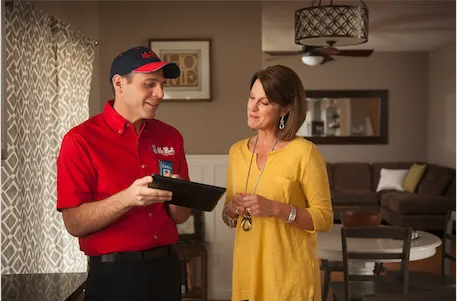
Mr Rooter
Mr. Rooter in Blacklick is your local, trusted plumbing partner. With a history dating back to 1970 and a commitment to honest pricing and quality workmanship, we bring decades of expertise directly t...
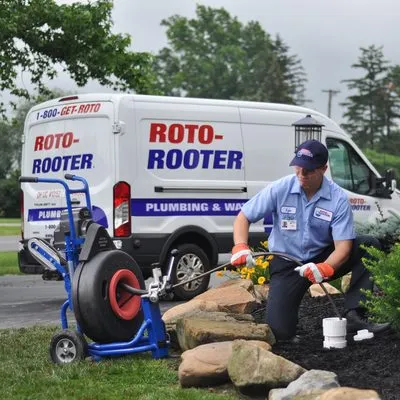
Roto-Rooter Plumbing & Water Cleanup
Roto-Rooter Plumbing & Water Cleanup provides reliable, 24/7 emergency plumbing and water damage services for Delaware, OH, homeowners and businesses. Our team is fully staffed and ready to help with ...
For over 20 years, Golden Touch has been providing reliable plumbing services to Columbus homeowners. With a factory-trained background in residential repair and a passion for finding smart, lasting s...

American Mechanical Group
American Mechanical Group has been a trusted family-owned service provider in Ohio since 1945. Based in Columbus and also serving Dayton, our team of 22 skilled technicians is equipped to handle your ...
Estimated Plumbing Costs in Lincoln, OH
Common Questions
Does water from the Great Miami River damage my home's plumbing?
The river itself doesn't cause damage, but it feeds into our municipal supply which has a high mineral content. This hard water leads to significant scale buildup inside pipes and appliances. Your water heater's heating elements get coated, reducing efficiency and lifespan, and fixture cartridges can seize up from the mineral deposits.
Why do my 1970s copper pipes keep springing pinhole leaks?
Copper installed in that era is now susceptible to a process called pitting corrosion. Over 50 years, the constant flow of our hard water wears microscopic holes in the pipe walls, especially at joints and elbows where turbulence occurs. It's not a matter of if, but when these pinholes will open up and cause a leak behind a wall or in a ceiling.
Could the flat land around here cause drainage or sewer problems?
The plain terrain around Lincoln Village Plaza means there's little natural slope for gravity to assist drainage. This can lead to slow-draining fixtures if your home's internal drain lines aren't pitched perfectly. For the main sewer line, the lack of slope sometimes requires more frequent clearing to prevent waste from settling and causing a blockage.
Do I need a permit to replace my water heater in Lincoln?
Yes, the Lincoln Building Department requires permits for water heater replacements to ensure proper venting and pressure relief. As a master plumber licensed by the Ohio Construction Industry Licensing Board, I pull those permits, schedule the inspections, and handle all the red tape. You get a compliant installation without having to navigate the paperwork yourself.
How fast can a plumber get to my house in Lincoln?
From my shop near Lincoln Village Plaza, the dispatch route is straightforward. Heading onto I-75 gets me across most of the city quickly, avoiding surface street delays. For homes in Lincoln Heights or nearby suburbs, that route typically puts me on your doorstep in 20 to 30 minutes for an emergency call.
What's the most important plumbing maintenance for a Lincoln winter?
The critical period is the spring thaw after those 21-degree lows. Frozen ground thaws and shifts, which can stress and crack underground service lines. A pro-tip is to have your main water line inspected and any exterior hose bibs properly winterized before the first hard freeze to prevent a major line break when everything warms up.
As a suburban homeowner, what's my biggest plumbing risk?
In these older suburban neighborhoods, the most common issue is the lateral sewer line from your house to the city main. Tree roots seek out the moisture and nutrients in those old pipe joints, infiltrating and causing blockages or collapse. Municipal water pressure is generally stable, but a sudden spike can also stress your home's aging plumbing system.
My Lincoln Heights home's copper pipes are acting up. Are they just old?
Homes built here around 1974 have copper plumbing that's now about 52 years old. That's the lifespan where we consistently see issues. The copper has been through decades of water pressure and mineral interaction, and the thin spots are starting to fail. You're likely seeing small, persistent leaks or a drop in water pressure that wasn't there a few years ago.
