Top Emergency Plumbers in Lake Waynoka, OH, 45171 | Compare & Call

There are 18 plumbing companies server in Lake Waynoka OH

Drain Openers is a locally owned and operated plumbing service based in Columbus, OH, with deep roots in the community. Founded with over 30 years of plumbing expertise that began after military servi...
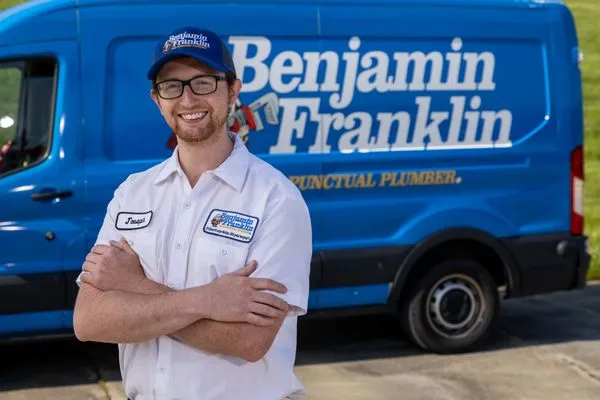
Benjamin Franklin Plumbing of Cincinnati
Benjamin Franklin Plumbing of Cincinnati is a locally owned and operated provider serving the greater Cincinnati area. As part of the respected Benjamin Franklin Plumbing brand, we bring a legacy of p...
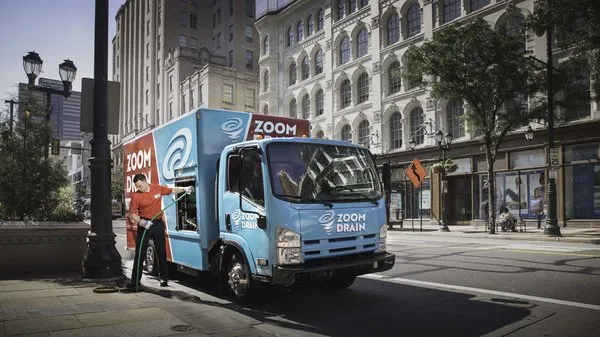
Zoom Drain in Hillsboro, OH is a family-owned plumbing service operated by Ohio natives Lannae and Alex Greene. This mother-son team brings a personal touch to drain and sewer solutions, with Alex's e...
Forsee Plumbing is a trusted local plumbing service serving homeowners throughout Cincinnati, OH. We understand that common issues like dishwasher leaks and pipe joint leaks can disrupt daily life and...
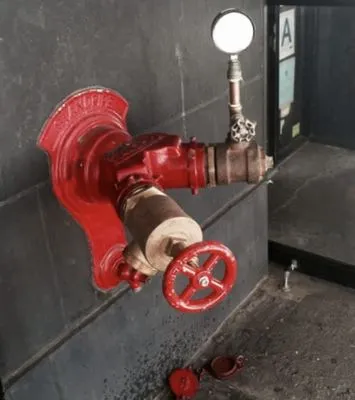
Paper City Fire Protection
With over 18 years in the fire and security industry, Paper City Fire Protection brings extensive expertise directly to Chillicothe. After years of working for other companies, the owner founded this ...
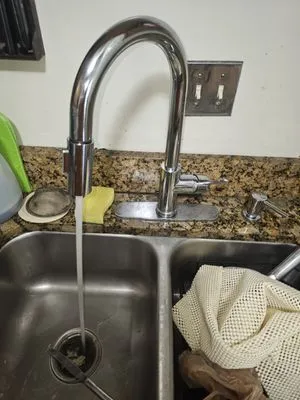
Residential Work Services in Felicity, OH, is your trusted local expert for comprehensive home maintenance and repair solutions. We specialize in a wide range of essential services, including bathtub,...
Frank's Repair Services is a locally owned and operated home repair business serving Peebles, OH, and surrounding areas. With over 16 years of experience in the housing industry, owner Frank Schoolcra...
Hensley Underground is a trusted local contractor in Bethel, OH, specializing in comprehensive underground and plumbing services. We help homeowners and businesses with soil backfilling, excavation, d...

Reed Mechanical Construction LLC is a trusted, full-service mechanical and plumbing contractor serving Hillsboro, OH, and the surrounding communities. With expertise spanning from excavation and site ...

Vining Home Solutions is your trusted, local home service expert in Bethel, OH. We specialize in a wide range of repair and installation tasks, from appliance fixes and furniture assembly to electrica...
Estimated Plumbing Costs in Lake Waynoka, OH
Question Answers
Could the hills be causing my main drain line to keep backing up?
Hilly terrain around Waynoka Lake absolutely affects drainage. The slope can cause soil to shift or settle over time, putting stress on buried sewer lines and creating low spots where waste and solids collect. Gravity flow is compromised, leading to recurrent blockages. A camera inspection can identify if the pipe has bellied or separated due to this constant ground stress.
Why are my 30-year-old pipes starting to leak all of a sudden?
Your home's copper plumbing was installed around 1996, so it's now three decades old. At this age, the interior wall of the copper pipe can thin from decades of water flow and mineral abrasion, especially with our hard water. Homeowners in Lake Waynoka Community are seeing a rise in pinhole leaks and joint failures as the metal reaches the end of its typical service life in this environment. It's a predictable wear-out phase, not a random event.
What's the most common plumbing problem in homes built in the 90s around here?
For copper systems from 1996, joint calcification is a frequent issue. Hard water minerals solidify at solder joints over 30 years, making them brittle and prone to cracking. You might also see pinhole leaks in straight pipe runs where the copper has eroded thin. These failures are often linked to the water's chemistry and the system's age, not installation error.
As a rural homeowner, what plumbing systems do I need to maintain that city folks don't?
Your responsibility starts at the well head and ends at the septic field. Well system components like the pressure tank, pump, and treatment equipment need scheduled service. For septic, pumping the tank every 3-5 years is non-negotiable to prevent drain field failure. Unlike a municipal connection, there's no city crew to call if your private water or waste system fails, so proactive maintenance is critical.
Do I need a permit to replace my water heater, and how does that work?
Yes, Brown County requires permits for water heater replacements. As a master plumber licensed by the Ohio Construction Industry Licensing Board, I pull the permit, schedule the county inspection, and ensure the installation meets all current code for pressure relief valves, expansion tanks, and seismic straps. My credential means I handle the red tape and guarantee the work is legal and insurable, so you don't have to navigate the process yourself.
Does the hard water from the lake ruin water heaters?
Yes, the mineral content from Waynoka Lake accelerates scale buildup inside your water heater's tank and on its heating elements. This insulating layer forces the unit to work harder, reducing efficiency and lifespan. We recommend annual flushing and inspecting the anode rod, which sacrifices itself to protect the tank from corrosion. Without maintenance, you risk premature failure and sediment-clogged fixtures.
What's the best way to prepare my plumbing for the spring thaw?
The shift from 22-degree lows to the spring thaw creates ground movement that can stress pipe connections. A key pro-tip for our temperate climate is to ensure all exterior hose bibs are fully drained and that crawl space vents are closed before the last hard freeze. Slowly increasing your home's ambient temperature as the ground thaws can also prevent sudden pressure changes on pipes, reducing the risk of a split joint.
How long will it take a plumber to get to my house if I have an emergency?
From our base near Waynoka Lake, the dispatch route heads north on US-68 into the community. Depending on your specific lot, that's typically a 45 to 60 minute drive. We factor in the winding, private roads and the hilly terrain once we're off the highway. Knowing the route lets us give you a reliable ETA so you're not left guessing during a crisis.
