Top Emergency Plumbers in Hartford, OH, 44404 | Compare & Call

There are 120 plumbing companies server in Hartford OH

Buckeye Plumbing & Drains is your local, licensed plumbing and septic expert serving Orient and the surrounding central Ohio communities. We know plumbing problems are stressful, which is why our appr...

XCEL Plumbing & Drains is a locally owned and operated plumbing service dedicated to serving the residents of Columbus, Ohio. We understand that plumbing problems can disrupt your home and your day. O...
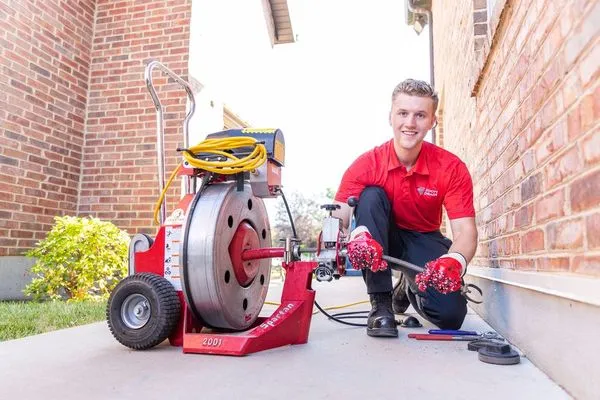
Zoom Drain in Powell, OH, is your local specialist for resolving stubborn drain and sewer issues. Our fully equipped service trucks arrive prepared for anything, featuring advanced video inspection te...

Mid City Property Pros is a Columbus-based home service company specializing in handyman, electrical, and plumbing work. We help local homeowners with repairs, installations, and maintenance, from fix...

Handyman 24 7 is a full-service home maintenance and repair company serving Columbus, OH, and surrounding areas. We provide a comprehensive range of solutions, from simple handyman tasks like furnitur...
At Greene's Plumbing Service in Columbus, OH, we believe if a job's worth doing, it's worth doing right. That commitment to quality is the foundation of every repair and installation we handle for our...
Mr Rooter
Mr. Rooter in Blacklick is your local, trusted plumbing partner. With a history dating back to 1970 and a commitment to honest pricing and quality workmanship, we bring decades of expertise directly t...
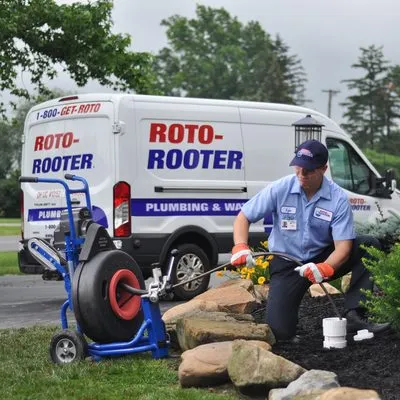
Roto-Rooter Plumbing & Water Cleanup
Roto-Rooter Plumbing & Water Cleanup provides reliable, 24/7 emergency plumbing and water damage services for Delaware, OH, homeowners and businesses. Our team is fully staffed and ready to help with ...

American Mechanical Group
American Mechanical Group has been a trusted family-owned service provider in Ohio since 1945. Based in Columbus and also serving Dayton, our team of 22 skilled technicians is equipped to handle your ...
Done Right Plumbing is your trusted, full-service plumbing partner in Delaware, Ohio. We specialize in everything from routine repairs to complete installations, ensuring your home's water and gas sys...
Estimated Plumbing Costs in Hartford, OH
Frequently Asked Questions
What causes those tiny, persistent leaks in my basement pipes?
Those are classic pinhole leaks from galvanized steel failure. After 88 years, the interior zinc coating is long gone, and the base steel corrodes unevenly. Weak spots develop, and water pressure pushes through, creating a small leak. The joint threads are also prone to failure from decades of calcification and stress, often requiring full section replacement instead of a simple patch.
How long does it take for a plumber to get to my house out here?
From our shop, the dispatch route typically heads past Hartford Township Park to pick up State Route 7. That's the main artery through the area. For most homes in Hartford Township, factoring in local roads off Route 7, you can expect a service vehicle at your door within 45 to 60 minutes of your call, barring any major road work or weather issues.
Why am I suddenly getting rusty water in my Hartford home?
Your home's galvanized steel plumbing is about 88 years old now. That material has a typical lifespan of 50-70 years. What you're seeing in Hartford Center is the predictable final stage: internal rust and scale have built up so much that water pressure and flow drop significantly. Eventually, fresh water scouring through these corroded pipes breaks loose chunks of rust, leading to the discolored water and frequent clogs you're noticing.
What's the most important thing to do for my pipes before spring?
Insulate any exposed water lines in unheated spaces like crawl spaces before the 18-degree nights hit. But the critical pro-tip for our temperate climate is to ensure your main water shut-off valve operates smoothly before the spring thaw. That seasonal ground shift can stress old service lines and fittings. Knowing you can quickly shut off the water yourself is the best defense against a major leak.
Could the flat land around here be causing my slow drains?
Plain terrain can contribute to drainage issues. The minimal slope means waste lines rely more on precise grading to maintain proper flow. Over decades, settling or root intrusion at a single low point can cause repeated blockages. For the main sewer line running from your house to the septic tank, this flat landscape means any belly or dip in the pipe will collect solids and lead to chronic backups that need jetting.
Do I need a permit to replace my water heater or repipe my house?
Yes, most major plumbing work in Trumbull County requires a permit from the Building Inspection Department. As a Master Plumber licensed by the Ohio Construction Industry Licensing Board, I pull those permits, schedule the required inspections, and ensure the work meets all current codes. I handle that red tape so you don't have to, and it protects your investment by making sure the job is documented and done right.
Does having a private well make my water heater fail faster?
Yes, it often does. Private wells in our area pull hard water, which is high in dissolved minerals like calcium and magnesium. When that water is heated in your tank, those minerals solidify into scale. This rock-like coating insulates the heating elements, forcing them to work harder and burn out, while also trapping heat against the tank liner, accelerating corrosion and shortening its life by years.
Is plumbing different for a rural home with a well and septic system?
It requires specific knowledge. Your entire water system, from the well pump and pressure tank to the interior pipes, is your responsibility. A failing pressure switch or a waterlogged pressure tank will cause problems throughout the house. On the waste side, everything ties into your septic tank and drain field. Using improper chemicals or ignoring maintenance can lead to backups or a failed leach field, which are complex and costly to repair.
