Top Emergency Plumbers in Green Springs, OH, 44836 | Compare & Call

There are 29 plumbing companies server in Green Springs OH
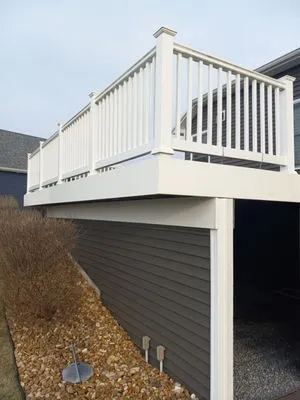
Berwick General Contracting is your trusted, full-service handyman and contractor in Tiffin, Ohio. We specialize in a comprehensive range of home repairs and installations, from appliance work and ele...
Mr. Rooter Plumbing of Toledo
Mr. Rooter Plumbing of Toledo has been serving the Perrysburg community with reliable plumbing solutions since 1970. As part of a nationwide network with over 200 locations and 50+ years of experience...
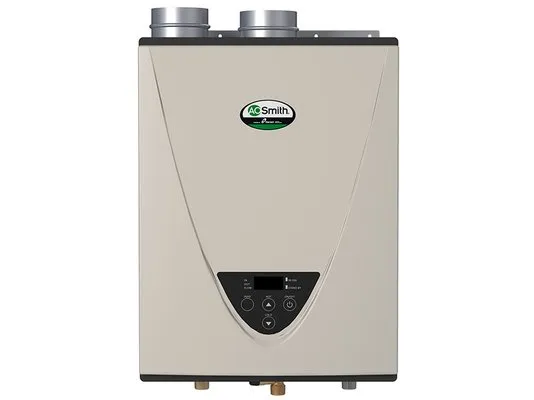
Down Under Plumbing is a family-owned and operated plumbing service proudly serving the Genoa, OH community and the Greater Toledo Area. We are licensed, insured, and dedicated to providing clear comm...
Reliable Basement and Drain
Reliable Basement and Drain is a veteran-owned plumbing and waterproofing company that has been serving the Port Clinton, OH, community since 1999. With over two decades of experience and more than 10...

Black Swamp Heating and Cooling is a trusted local provider serving Gibsonburg, OH, with comprehensive plumbing and HVAC solutions. We specialize in addressing common regional issues like frozen pipes...
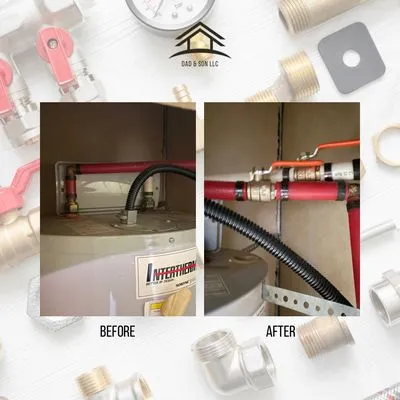
Dad & Son LLC is a family-owned and operated business serving Huron, OH, with comprehensive home improvement and landscaping services. We specialize in bathroom and kitchen remodeling, plumbing instal...
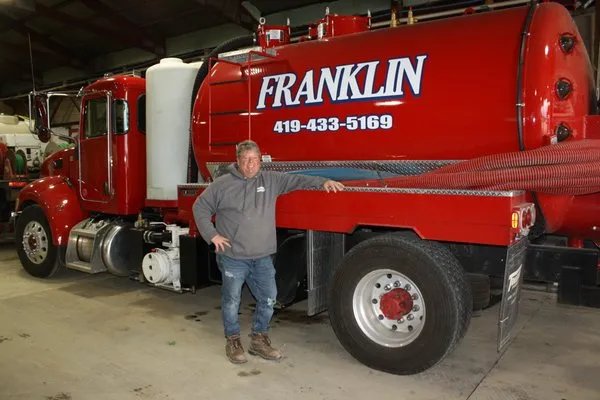
Franklin Sanitation is a family-owned plumbing and sanitation service proudly serving Huron, OH, and the surrounding Erie and Ottawa Counties since 1952. Now operated by third-generation owner Greg, w...

Greene's Plumbing Heating & Electrical
Greene's Plumbing Heating & Electrical is a family-owned and operated service company that has been providing reliable plumbing, heating, and electrical solutions to Tiffin, Ohio, and surrounding area...

Jack's Heating, Air Conditioning & Plumbing
Jack's Heating, Air Conditioning & Plumbing has been a trusted family-owned business in Findlay, OH since 1937. Founded by Glen Stevenson as Findlay Plumbing & Heating, the company has grown through t...
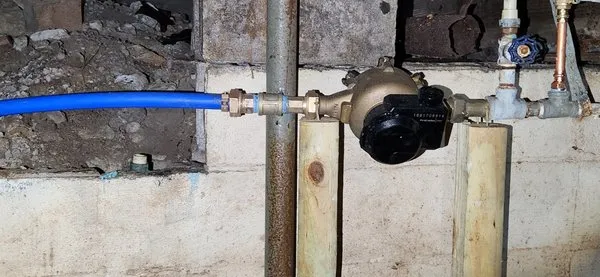
American Plumbing & Sewer is Fremont's trusted, full-service plumbing company. We help homeowners and businesses tackle everything from routine repairs to major installations, including drain work, wa...
Estimated Plumbing Costs in Green Springs, OH
Frequently Asked Questions
Why are so many Green Springs homes having plumbing problems lately?
Copper pipes installed around 1971 are now 55 years old. In Village Center, homeowners are seeing increased frequency of leaks and reduced water pressure as the metal reaches the end of its typical lifespan. The thin-walled copper used in that era develops fatigue cracks from decades of thermal expansion and water pressure cycles. Most systems from that construction period need evaluation for replacement sections or whole-house repiping.
What should I do before spring thaw to prevent plumbing issues?
Insulate exposed pipes in crawl spaces and basements before temperatures drop to 18°F. Disconnect and drain outdoor hoses to prevent backflow freezing. Keep cabinet doors open during cold snaps to allow warm air circulation around pipes. Schedule a pressure check after thaw cycles, as ground movement can stress main line connections in this Snow Belt region.
What causes those tiny leaks in copper pipes?
Pinhole leaks develop in 55-year-old copper due to internal corrosion and erosion. Water chemistry interacts with the pipe walls, creating weak spots that eventually perforate. Joint calcification also occurs where fittings accumulate mineral deposits that stress connections. These failures typically start appearing in homes built around 1971, requiring targeted repair rather than temporary patches.
Are septic systems common in Green Springs homes?
Many properties outside Village Center use septic systems with private wells. These require different maintenance than municipal connections—pump every 3-5 years, avoid chemical drain cleaners that kill tank bacteria, and monitor well pressure regularly. Copper pipes in these homes often connect to older brass fittings that need dielectric unions to prevent galvanic corrosion between dissimilar metals.
How does Green Springs' flat terrain affect my main sewer line?
Plain terrain around Green Springs Historic District provides minimal natural drainage slope. Wastewater relies on proper pipe grading to flow toward the municipal connection. Settling soil over decades can create low spots where debris accumulates, leading to recurring clogs. Annual camera inspections identify these issues before they become emergencies, especially in homes with original 1971-era drainage systems.
How quickly can a plumber reach my home in Green Springs?
Heading past Green Springs Historic District on Ohio State Route 19 gets me to most addresses within 45-60 minutes. That route avoids backroad delays while maintaining reasonable speed limits. I keep dispatch aware of traffic patterns, especially during seasonal events or roadwork. The response window accounts for loading the right parts for older copper systems common in this area.
Does Sandusky River water damage plumbing fixtures?
Hard water from the Sandusky River basin deposits scale inside pipes and appliances. Water heaters accumulate mineral buildup on heating elements, reducing efficiency and shortening tank life. Fixtures develop restricted flow from calcification around aerators and valves. Installing a whole-house water softener protects plumbing infrastructure and maintains fixture performance in Green Springs.
Who handles permits for plumbing work in Sandusky County?
I file all required paperwork with Sandusky County Building Department and maintain active Ohio Construction Industry Licensing Board credentials. Homeowners avoid navigating code requirements for copper pipe replacements or water heater installations. Permits ensure work meets current standards for safety and insurance purposes. Handling the red tape means your project proceeds without administrative delays.
