Top Emergency Plumbers in Grand Prairie, OH, 43302 | Compare & Call

There are 157 plumbing companies server in Grand Prairie OH

Buckeye Plumbing & Drains is your local, licensed plumbing and septic expert serving Orient and the surrounding central Ohio communities. We know plumbing problems are stressful, which is why our appr...

XCEL Plumbing & Drains is a locally owned and operated plumbing service dedicated to serving the residents of Columbus, Ohio. We understand that plumbing problems can disrupt your home and your day. O...
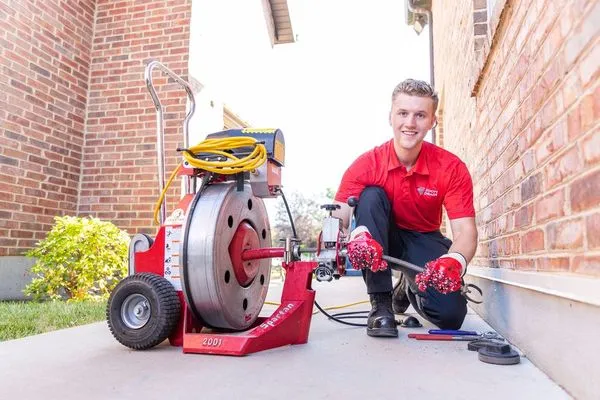
Zoom Drain in Powell, OH, is your local specialist for resolving stubborn drain and sewer issues. Our fully equipped service trucks arrive prepared for anything, featuring advanced video inspection te...

Mid City Property Pros is a Columbus-based home service company specializing in handyman, electrical, and plumbing work. We help local homeowners with repairs, installations, and maintenance, from fix...

Handyman 24 7 is a full-service home maintenance and repair company serving Columbus, OH, and surrounding areas. We provide a comprehensive range of solutions, from simple handyman tasks like furnitur...
At Greene's Plumbing Service in Columbus, OH, we believe if a job's worth doing, it's worth doing right. That commitment to quality is the foundation of every repair and installation we handle for our...
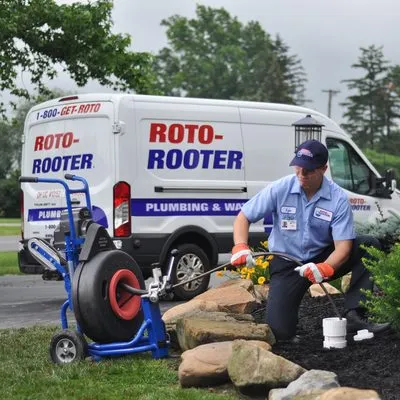
Roto-Rooter Plumbing & Water Cleanup
Roto-Rooter Plumbing & Water Cleanup provides reliable, 24/7 emergency plumbing and water damage services for Delaware, OH, homeowners and businesses. Our team is fully staffed and ready to help with ...

American Mechanical Group
American Mechanical Group has been a trusted family-owned service provider in Ohio since 1945. Based in Columbus and also serving Dayton, our team of 22 skilled technicians is equipped to handle your ...
Done Right Plumbing is your trusted, full-service plumbing partner in Delaware, Ohio. We specialize in everything from routine repairs to complete installations, ensuring your home's water and gas sys...
Amanda Plumbing
Amanda Plumbing has been a trusted, family-owned plumbing resource for Delaware, OH, and surrounding communities since 1995. Built on word-of-mouth referrals and lasting customer relationships, we are...
Estimated Plumbing Costs in Grand Prairie, OH
Questions and Answers
Who pulls permits for a water heater replacement in Marion County?
Any major plumbing work, like a water heater replacement, requires a permit from the Marion County Building Department. As a Master Plumber licensed by the Ohio Construction Industry Licensing Board, I handle all the red tape, including scheduling inspections and ensuring the installation meets current code. This protects your home's value and ensures the work is done to a verified standard.
What's the best way to prepare my plumbing for a Grand Prairie winter?
Our temperate climate still sees lows around 18°F, and the spring thaw is the peak season for leaks. The most effective pro-tip is to locate and insulate your main water shut-off valve before the first freeze. A burst pipe often happens where it enters the house from outside. Knowing how to turn the water off instantly can prevent thousands of dollars in damage during a late-night emergency.
How long does it take a plumber to get to my house in Grand Prairie?
My typical dispatch route takes me past Marion County Fairgrounds on US-23, which is the main artery for most calls. From there, I head directly into the neighborhoods. A 30 to 45 minute response window is standard, accounting for traffic and your specific location off the highway. I will provide an accurate ETA the moment I am dispatched.
Does Scioto River water damage my plumbing?
The municipal supply drawn from the Scioto River is very hard, meaning it has a high mineral content. This leads to heavy scale buildup inside pipes, water heaters, and fixtures. You will notice reduced water pressure at faucets and lower efficiency in your water heater as the tank becomes insulated by mineral deposits. An annual flush of the water heater and consideration of a whole-house softener can mitigate these effects.
Why are my copper pipes suddenly leaking?
For 1978-era copper, pinhole leaks are the most common failure. They are caused by a combination of age and galvanic corrosion, where dissimilar metals like copper and steel interact. Over 48 years, this reaction, accelerated by our hard water, creates weak spots that eventually perforate. The leaks often appear first at joints or in horizontal runs where water and sediment sit.
Could the flat land here cause plumbing problems?
The plain terrain around Marion County Fairgrounds affects drainage. With minimal natural slope, heavy rain or rapid snowmelt can saturate the soil, putting hydrostatic pressure on your home's foundation and the main sewer line. This pressure can stress pipe joints and, in older homes, lead to infiltration or even a collapsed line if the ground shifts. Proper grading away from your foundation is a key defense.
Are 1970s copper pipes in Grand Prairie still reliable?
Homes built around 1978 are now pushing 48 years old, and the copper piping is reaching a critical age. In Grand Prairie Village Center, we are seeing a marked increase in pinhole leaks and joint failures. This happens because decades of water flow and the local hard water have gradually thinned the pipe walls. It is a predictable lifecycle for copper in our area, and proactive inspection can catch issues before they become a flood.
Are septic system issues common in rural Grand Prairie?
In our rural setting, most homes operate on private wells and septic systems, not city sewer. Septic field failure is a frequent issue, often due to age, lack of pumping, or system overload. Tree roots seeking the water in your lateral lines are another major concern. Regular septic tank pumping every 3-5 years and being mindful of what goes down the drain are essential for avoiding a costly backup.
