Top Emergency Plumbers in Fowler, OH, 44410 | Compare & Call

There are 137 plumbing companies server in Fowler OH
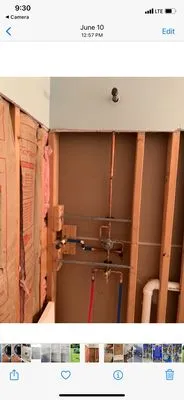
Advanced Plumbing in Austintown, OH, is a trusted local plumbing service provider dedicated to helping homeowners and businesses with a wide range of plumbing needs. From routine installations and rep...

Smylie One Heating Cooling & Plumbing
Smylie One Heating Cooling & Plumbing brings over six decades of trusted service to Bedford Heights and Northeast Ohio, rooted in a family legacy that began in 1955. Now led by Steven Smylie, Gary Ros...
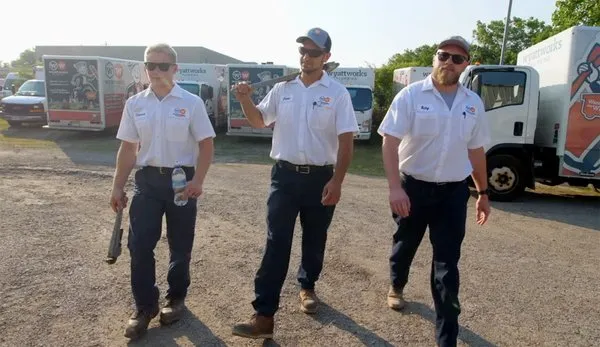
WyattWorks Plumbing
WyattWorks Plumbing has been serving Seven Hills, OH, since 1980, providing reliable plumbing solutions for homeowners. Specializing in hydro-jetting, water heater services, drain cleaning, and trench...
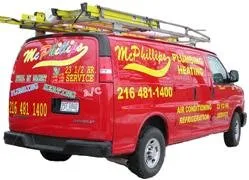
Mc Phillips Plumbing Heating & Air Conditioning
Mc Phillips Plumbing Heating & Air Conditioning has been a trusted Cleveland institution since 1907, operating as a family-owned business that has grown from its plumbing roots to become a full-servic...
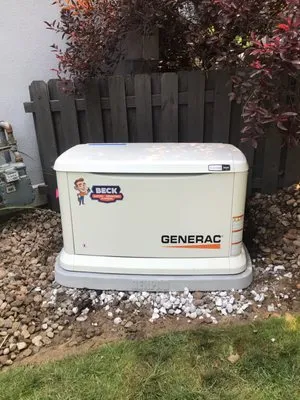
Beck Electric, Generators, & Plumbing
Since 2007, Beck Electric, Generators & Plumbing has been a trusted, family-owned resource for Canton and Waynesburg area homeowners. We provide reliable electrical and plumbing solutions for both eve...
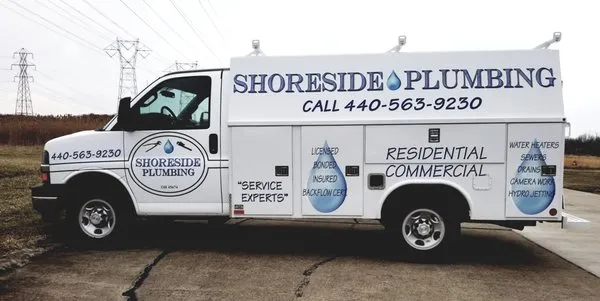
Shoreside Plumbing has been Rome's trusted local plumbing expert since 1998. Founded by James, who has over two decades of experience from his time with T&J Septic and McPhillips Plumbing, our team no...
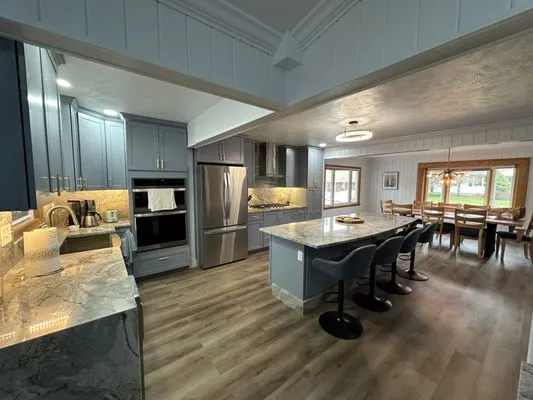
Lakeview Construction is a Cleveland-based building and remodeling contractor dedicated to transforming local homes. We handle projects of all sizes, from comprehensive ground-up construction—includin...
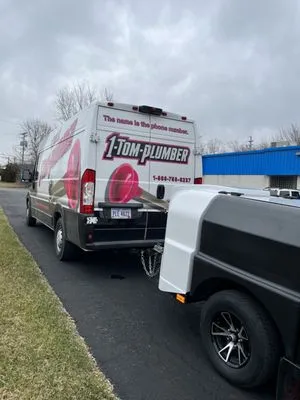
1-Tom-Plumber is a full-service plumbing company serving Eastlake, OH, and the greater Cleveland area. Founded in 2022 through a partnership with a locally owned family plumbing business with over 20 ...
Reeves Plumbing & Heating
Reeves Plumbing & Heating is a family-owned and operated company serving Eastlake, Ohio, and the surrounding communities. Founded by Rick Reeves and now run by his sons, Rick and Jeremy, the business ...
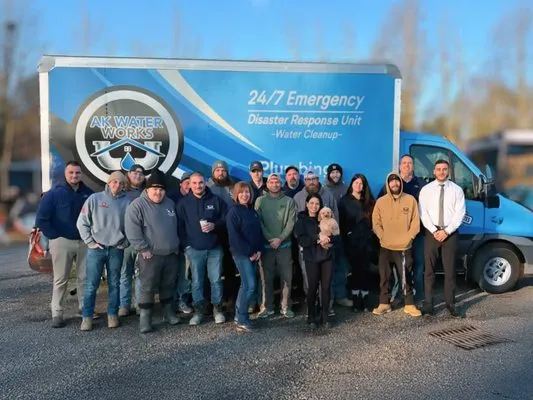
AK Water Works Plumbing & Drain
AK Water Works Plumbing & Drain is a family-owned, locally-operated plumbing company dedicated to serving Warren, OH, and the surrounding communities. We understand that plumbing problems are more tha...
Estimated Plumbing Costs in Fowler, OH
Questions and Answers
How long does it take for a plumber to get to Fowler in an emergency?
From our shop, a dispatch heads past Fowler Township Park on OH-193. For most calls in the township, that's a 45 to 60 minute drive. We factor in local traffic and weather on these rural routes, so we give that honest window upfront when you call with a leak or no water situation.
Are there special plumbing concerns for a rural house with a well and septic?
Absolutely. The entire water and waste system is your responsibility. A failing pressure tank or well pump means no water. Septic system backups into the home are a serious health hazard. It requires a plumber who understands the interaction between the well equipment, the home's plumbing, and the septic tank's inlet and baffles, which is different from a city sewer connection.
What should I do to my pipes before a deep freeze in the Snow Belt?
The pro-tip here is to drain and shut off your exterior hose bibs from the inside valve before temperatures hit 18°F. The real danger is the spring thaw, when ground shifting can stress already old service lines. Insulating pipes in crawl spaces is good, but securing that exterior water supply before the deep cold is the most critical step to prevent a major burst.
Why do my copper pipes keep springing pinhole leaks?
Copper installed in 1974 is susceptible to pinhole leaks due to a process called Type 1 pitting corrosion. Our local water chemistry and soil conditions accelerate it. The leaks typically form on the bottom of horizontal hot water lines first. It's not a matter of if, but when, on original piping, and repiping sections is often more cost-effective than repeated repairs.
Our Fowler house was built in the 1970s. Is our plumbing getting old?
Homes built around 1974 now have copper pipes that are 52 years old. That's the typical lifespan for copper in our area's soil. In Fowler Center, we're seeing a lot of service line replacements and pinhole leaks behind walls. The pipe walls thin from decades of corrosion, and failures often start happening in clusters once they cross this age threshold.
What permits are needed for a water heater or repipe in Trumbull County?
Most substantial work requires a permit from the Trumbull County Building Inspection Department. As a Master Plumber licensed by the Ohio Construction Industry Licensing Board, I pull those permits, schedule the inspections, and ensure the work meets code. My credential means I handle that red tape so you don't have to, and the job is documented correctly for your home's records.
Does hard well water damage my plumbing fixtures?
Yes, the mineral content from private wells causes significant scale buildup. It acts as an insulator inside water heater tanks, making them work harder and fail sooner. You'll also see it crusting on faucet aerators and showerheads, reducing flow. Installing a whole-house water softener is the standard defense to protect your water heater and fixtures from premature wear.
Could the flat land here cause plumbing drainage problems?
The plain terrain around Fowler Township Park lacks the natural slope for ideal drainage. This can put constant, low-grade stress on your main sewer line as it relies solely on proper pitch. Over decades, that stress combined with ground settling from freeze-thaw cycles can cause bellies or sags in the line, leading to recurring clogs and backups that require jetting or excavation.
