Top Emergency Plumbers in Forestville, OH, 45230 | Compare & Call

There are 154 plumbing companies server in Forestville OH
Carroll Gompf & Son Sewer
For over 60 years, Carroll Gompf & Son Sewer has been a trusted, family-owned plumbing and sewer service provider in Lawrenceburg and the surrounding Tri-State area. We handle a wide range of resident...
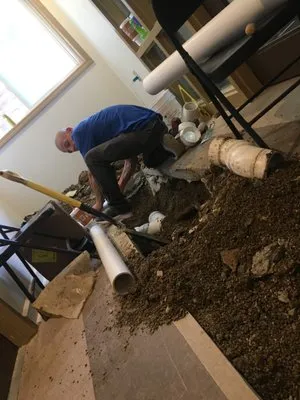
The Randyman in Aurora, IN is a family-owned and operated handyman and plumbing service built on a foundation of 20 years of experience. Founder Randy started the business to provide honest craftsmans...
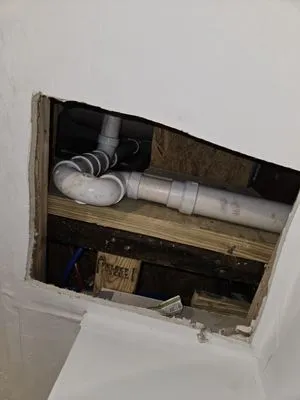
Weed's Home Services is a Veteran-owned home repair and improvement company serving West Harrison, IN, and the surrounding area. Founded in 2019, we bring over 15 years of hands-on experience to every...

Nurse Nest Management is a trusted Hillview, KY business offering comprehensive property solutions for both residential and commercial clients. We specialize in interior design services—from full home...
Arlinghaus Plumbing Heating & Air Conditioning
Arlinghaus Plumbing Heating & Air Conditioning is a family-owned business proudly serving Erlanger, KY, and the Greater Cincinnati area since 2008. Founded by Brian and Heather Arlinghaus, our team of...
Arronco Comfort Air
Arronco Comfort Air has been a trusted, family-owned HVAC and plumbing company serving Burlington, KY, and the greater Cincinnati area since 1984. We specialize in geothermal and high-efficiency heati...
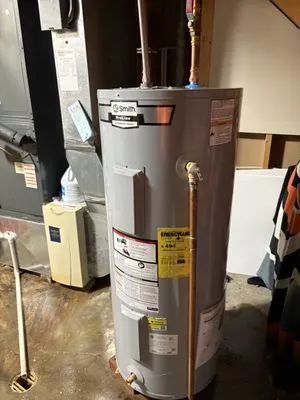
Premier Plumbing is a locally owned and operated plumbing service based in Covington, KY, proudly serving the entire Northern Kentucky and Cincinnati metro area. As a Covington Catholic High School gr...
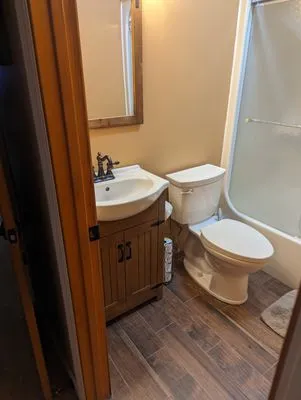
Down The Drain is your trusted local plumbing expert serving Foster, KY, and surrounding areas. We specialize in comprehensive plumbing solutions, from bathtub and sink installations to sewer repairs ...
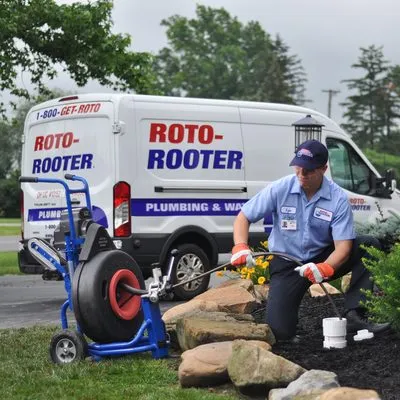
Roto-Rooter Plumbing & Water Cleanup
For over 85 years, Roto-Rooter has been a trusted name in plumbing and water cleanup, providing reliable service to the Covington community. Our local team of licensed, background-checked plumbers is ...
Schneller Knochelmann Plumbing, Heating & Air Conditioning
Schneller Knochelmann Plumbing, Heating & Air Conditioning has been a cornerstone of Covington and the greater Cincinnati area since 1928. The company's story is deeply rooted in local families and se...
Estimated Plumbing Costs in Forestville, OH
Questions and Answers
How quickly can a plumber get to me in Forestville?
Heading past Juilfs Park onto I-275 gets me across the township efficiently. For most calls in Forestville, my dispatch route from there puts me on-site within 30 to 45 minutes. I plan my day around these routes to minimize your wait when you have a burst pipe or a failed water heater.
What's the best way to prepare my plumbing for an Ohio winter?
Our winter lows around 23 degrees Fahrenheit make unprotected pipes vulnerable. The bigger issue is the spring thaw, which is the peak season for main line breaks as frozen ground shifts. A pro-tip is to locate and test your main water shut-off valve every fall. If it's stiff or leaks, have it replaced before a crisis to prevent extensive water damage.
Do I need a permit to replace my water heater or repipe my house?
Yes, Anderson Township Planning and Zoning requires permits for this work to ensure it meets code. As a Master Plumber licensed by the Ohio Construction Industry Licensing Board, I handle all the red tape—pulling permits, scheduling inspections, and providing the necessary documentation. This protects you and ensures the job is done to the standard required for your home's value and safety.
Why do my copper pipes keep springing pinhole leaks?
Copper installed in 1982 has been through thousands of heating and cooling cycles, which work-hardens the metal. Combined with decades of mineral scale from our hard water, this creates localized corrosion cells. The result is pinhole failures, often starting at solder joints or where pipes touch dissimilar metals, requiring a full diagnostic of your home's system.
Our Forestville home was built in the early 80s. Should I be worried about the plumbing?
Houses built around 1982 have copper pipes that are now 44 years old. In Anderson Township, we're seeing a predictable wave of failures at this stage. The copper has spent decades reacting with our hard water, and the pipe walls are thinning. It's common for pinhole leaks to start appearing in basements or behind walls, often requiring section replacements.
We're on city water and sewer in Anderson Township. What should I watch for?
Municipal pressure is generally consistent, but aging infrastructure can lead to pressure spikes or sediment dislodgement that damages household valves and appliances. On the sewer side, tree roots are the primary concern for your lateral line, especially with older clay or Orangeburg pipes. An annual camera inspection can catch root intrusion before it causes a backup.
Could the hilly land around Juilfs Park affect my sewer line?
The sloped terrain common here puts constant stress on underground sewer laterals. Over decades, the ground settling can cause pipes to bell-hollow or separate at the joints. For homes downhill, this can lead to slow drainage and root intrusion; for those uphill, it increases the risk of a complete line collapse that requires excavation to repair.
Does the Ohio River water cause problems for my home's plumbing?
The treated water from the Ohio River is very hard, meaning it has high mineral content. This leads to rapid scale buildup inside pipes and appliances. Your water heater's elements get coated, reducing efficiency, and faucet aerators clog frequently. Installing a whole-house water softener is the most effective long-term solution to protect your investment.
