Top Emergency Plumbers in Elk, OH, 45634 | Compare & Call

There are 240 plumbing companies server in Elk OH
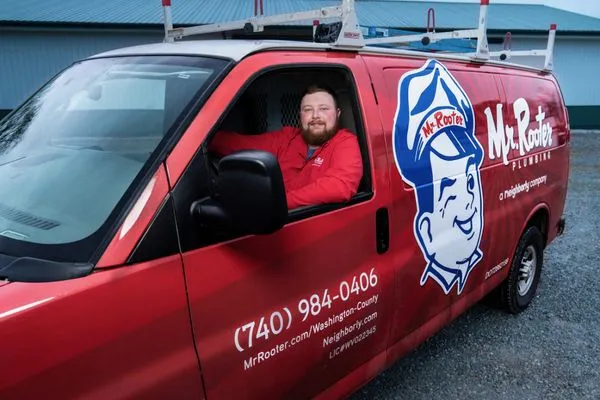
Mr. Rooter Plumbing of Charleston, WV
Mr. Rooter Plumbing of Charleston, WV has been providing reliable plumbing services to the Charleston community since 1970. As part of a national network with over 200 locations and more than 50 years...

S&S Plumbing LLC is a trusted, locally-owned plumbing service provider for homeowners and businesses in Charleston, WV. We are committed to delivering reliable solutions for all your plumbing needs, f...

Truslow Plumbing is a Charleston, WV-based plumbing service committed to professional integrity and quality workmanship. Founded in 2023, we bring a standard of fairness, honesty, and personal respons...
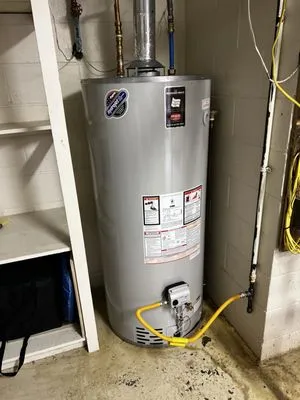
Waugh Plumbing is your trusted, local plumbing expert in Kenna, WV, serving homeowners with reliable and prompt service for over a decade. We understand the common frustrations in our area, like outdo...
JBUS is a trusted plumbing service in Parkersburg, WV, specializing in detailed plumbing inspections for homeowners. We understand the common local frustrations like outdoor faucet leaks that can lead...

Buskirk Plumbing is a locally owned and operated plumbing company serving Parkersburg, WV, and the surrounding communities. With expertise spanning from essential gas line services to comprehensive ba...
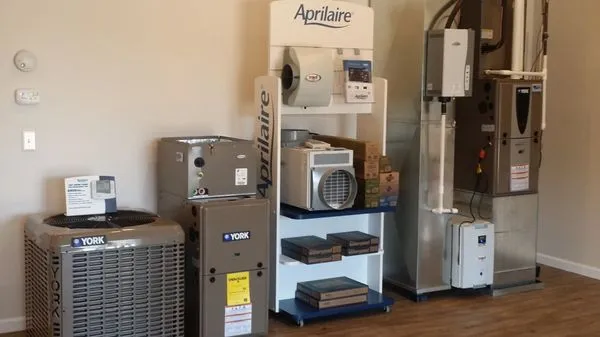
Grogg's Home Services
Grogg's Home Services has been a trusted name in Parkersburg home comfort since 1970. Founded by Leon B. Grogg, the business started as a part-time venture and grew through his dedication to serving c...
Extreme Plumbing & Drain Cleaning is your local Parkersburg plumbing expert, dedicated to solving the everyday issues that homeowners face. We understand the common challenges in our area, like outdoo...
Waterworks Plumbing is a trusted, locally-owned plumbing service based right here in Parkersburg, WV. We understand the specific challenges homeowners in our area face, particularly with basement floo...
Joe's Plumbing is a trusted local plumbing service in Parkersburg, WV, dedicated to helping homeowners tackle common plumbing problems like drain clogs and garbage disposal jams. With years of experie...
Estimated Plumbing Costs in Elk, OH
Question Answers
How old are the pipes in my Elk Center home and what should I expect at this age?
Galvanized steel plumbing in Elk was typically installed around 1938, making these pipes about 88 years old in 2026. At this age, homeowners notice frequent pinhole leaks, reduced water pressure from internal corrosion buildup, and rust-colored water when taps are first turned on. The steel has likely thinned significantly, especially at joints and bends where stress concentrates. Many systems this old require complete replacement rather than spot repairs to maintain reliable water flow.
Why do my galvanized pipes keep springing leaks even after repairs?
Galvanized steel installed in 1938 suffers from advanced internal corrosion that creates weak spots throughout the system. Pinhole leaks often appear where the zinc coating has worn away and oxygen reacts with the underlying iron. Joint calcification is another common issue—mineral deposits build up at connections, creating stress points that eventually fail. These systemic problems mean patching one leak frequently reveals another nearby, as the entire pipe network reaches its functional lifespan simultaneously.
Could the flat land around Elk Center be causing my drainage issues?
Plain terrain with minimal slope affects drainage by allowing water to pool rather than flow away from foundations. Soil around the Vinton County Courthouse area tends to hold moisture, which can saturate the ground and put hydrostatic pressure on buried main lines. This constant pressure stresses pipe joints and can lead to infiltration through cracks or failed seals. Proper grading away from the house foundation and French drain systems help redirect surface water before it compromises underground plumbing.
What permits or inspections are needed for plumbing work in Vinton County?
Vinton County Building Department requires permits for water heater replacements, sewer line repairs, and any plumbing alterations affecting the main supply or drainage systems. As a licensed master plumber through the Ohio Construction Industry Licensing Board, I handle the permit applications, inspections, and compliance documentation. This includes coordinating with the health department for well and septic work, ensuring all installations meet current code requirements for safety and functionality. Homeowners avoid the red tape while maintaining proper records for property transfers and insurance purposes.
As a rural homeowner with a septic system and well, what maintenance is unique to my setup?
Private wells require annual testing for bacteria and mineral content that affects plumbing components. Septic systems need pumping every 3-5 years depending on household size, and drain fields benefit from bacterial treatments to maintain breakdown efficiency. Unlike municipal systems, pressure regulation falls to the homeowner—well pumps should maintain 40-60 PSI to prevent stress on pipes and fixtures. Backflow prevention devices are crucial for well systems to avoid contamination from irrigation or other cross-connections.
Does hard water from my private well damage plumbing fixtures?
Hard water containing dissolved minerals creates scale buildup that reduces efficiency and lifespan of water heaters, faucets, and appliances. Inside water heaters, scale insulates heating elements, forcing them to work harder and increasing energy costs by 15-25%. Fixture aerators clog with mineral deposits, reducing flow rates and requiring frequent cleaning. Well water typically lacks municipal treatment, so the mineral concentration remains high unless addressed with whole-house filtration or water softening systems.
How quickly can a plumber reach my home in Elk for an emergency?
Heading past Vinton County Courthouse on US-50, our dispatch route covers most of Elk Center within 45-60 minutes. We monitor traffic patterns and use back roads when needed to maintain that response window. For urgent situations like burst pipes or sewage backups, we prioritize calls and coordinate with local contacts to expedite access. Regular maintenance appointments typically follow the same routing but with more flexible scheduling.
What should I do before spring thaw to prevent plumbing problems?
Insulate exposed pipes in crawl spaces and along exterior walls before temperatures drop to 20°F. Disconnect garden hoses and shut off exterior faucets from inside the house to prevent freezing in the valve assembly. During rapid thaws, check for new damp spots or reduced water pressure that might indicate leaks from expanded-contracted pipe joints. Keep cabinet doors open under sinks to allow warm air circulation around pipes during cold snaps, especially in older homes with minimal insulation around plumbing runs.
