Top Emergency Plumbers in Dry Run, OH, 45244 | Compare & Call

There are 230 plumbing companies server in Dry Run OH
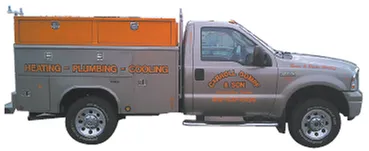
Carroll Gompf & Son Sewer
For over 60 years, Carroll Gompf & Son Sewer has been a trusted, family-owned plumbing and sewer service provider in Lawrenceburg and the surrounding Tri-State area. We handle a wide range of resident...
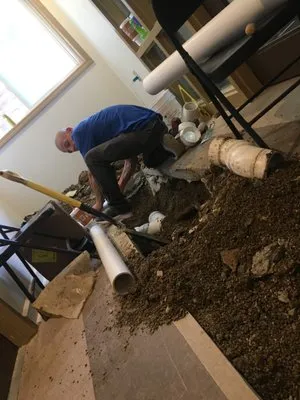
The Randyman in Aurora, IN is a family-owned and operated handyman and plumbing service built on a foundation of 20 years of experience. Founder Randy started the business to provide honest craftsmans...
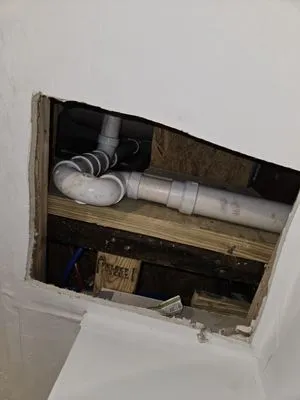
Weed's Home Services is a Veteran-owned home repair and improvement company serving West Harrison, IN, and the surrounding area. Founded in 2019, we bring over 15 years of hands-on experience to every...
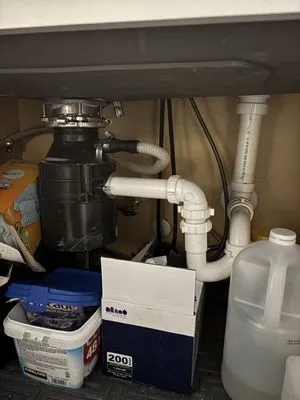
Cody's Drain Cleaning and Repair
Cody's Drain Cleaning and Repair is a locally owned plumbing and excavation business serving Lawrenceburg, IN, with over 20 years of plumbing and 13 years of excavation experience. As a private owner-...

Nurse Nest Management is a trusted Hillview, KY business offering comprehensive property solutions for both residential and commercial clients. We specialize in interior design services—from full home...
Arlinghaus Plumbing Heating & Air Conditioning
Arlinghaus Plumbing Heating & Air Conditioning is a family-owned business proudly serving Erlanger, KY, and the Greater Cincinnati area since 2008. Founded by Brian and Heather Arlinghaus, our team of...
Arronco Comfort Air
Arronco Comfort Air has been a trusted, family-owned HVAC and plumbing company serving Burlington, KY, and the greater Cincinnati area since 1984. We specialize in geothermal and high-efficiency heati...
Premier Plumbing is a locally owned and operated plumbing service based in Covington, KY, proudly serving the entire Northern Kentucky and Cincinnati metro area. As a Covington Catholic High School gr...
Down The Drain is your trusted local plumbing expert serving Foster, KY, and surrounding areas. We specialize in comprehensive plumbing solutions, from bathtub and sink installations to sewer repairs ...
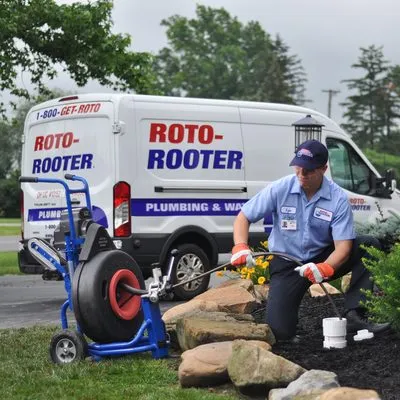
Roto-Rooter Plumbing & Water Cleanup
For over 85 years, Roto-Rooter has been a trusted name in plumbing and water cleanup, providing reliable service to the Covington community. Our local team of licensed, background-checked plumbers is ...
Estimated Plumbing Costs in Dry Run, OH
Q&A
What should I do to prepare my plumbing for spring in this area?
Spring thaw brings temperature swings that stress pipes. Insulate exposed lines in crawl spaces or basements before nighttime lows hit 21°F. Check outdoor spigots for leaks that developed over winter, and ensure sump pumps are clear of debris. These steps prevent emergencies when ground temperatures fluctuate rapidly during thaw cycles.
My Dry Run Estates home was built around 1985—should I be worried about my plumbing?
Copper pipes installed in 1985 are now 41 years old. At this age, homeowners in Dry Run Estates often notice pinhole leaks appearing in hot water lines first, especially behind walls or under sinks. The copper has endured decades of water flow and mineral interaction, thinning in predictable spots. Regular inspections of visible pipes can catch these issues before they cause significant water damage.
Who handles permits for plumbing work in Ross County?
The Ross County Building Department oversees permits for plumbing installations and repairs. As a licensed professional with the Ohio Construction Industry Licensing Board, I manage all required paperwork and inspections. This ensures work meets current codes without homeowners navigating bureaucratic processes themselves.
How quickly can a plumber reach my home in Dry Run?
Heading past Scioto Trail State Park on US-23 gets me into the Dry Run area efficiently. From there, local roads lead to most addresses within 45 to 60 minutes of dispatch. This route avoids major congestion and allows for reliable arrival times, even during peak traffic periods around the park.
Are there special considerations for plumbing in rural Dry Run homes?
Rural properties with private wells and septic systems need regular maintenance to avoid cross-contamination. Well pumps require checking for sediment buildup, while septic lines should be inspected for root intrusion or blockages. Unlike municipal systems, pressure regulation falls on the homeowner, making consistent monitoring essential for system longevity.
Why do my copper pipes keep springing leaks?
Copper pipes from the 1980s often develop pinhole leaks due to internal corrosion from water chemistry and age-related wear. Joint calcification is another common issue, where mineral deposits weaken solder connections over time. These failures typically start in areas with frequent temperature changes, like near water heaters or exterior walls.
Does hard water from my private well damage plumbing fixtures?
Hard water causes scale buildup inside pipes and appliances, reducing water flow and efficiency. Water heaters are particularly vulnerable—scale insulates heating elements, forcing them to work harder and shortening their lifespan. Fixtures like showerheads and faucets develop mineral deposits that restrict flow and require more frequent cleaning or replacement.
Could the hilly landscape near Scioto Trail State Park affect my home's drainage?
Hilly terrain places uneven stress on main water lines, especially where soil shifts occur. Drainage systems must account for slope to prevent backups or pipe misalignment. Properties on inclines often experience increased pressure on lower-side pipes, requiring proper grading and occasional adjustments to maintain flow and prevent leaks.
