Top Emergency Plumbers in Devola, OH, 45750 | Compare & Call

There are 37 plumbing companies server in Devola OH
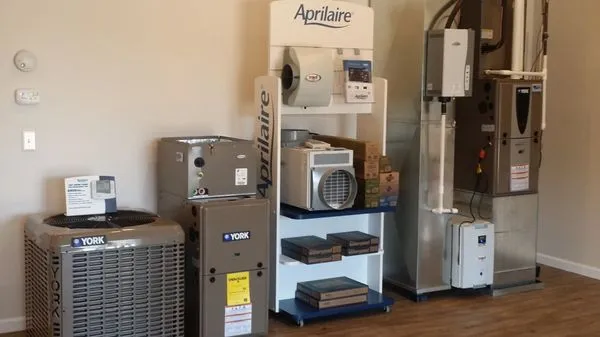
Grogg's Home Services
Grogg's Home Services has been a trusted name in Parkersburg home comfort since 1970. Founded by Leon B. Grogg, the business started as a part-time venture and grew through his dedication to serving c...
All Ways Drain is a trusted, full-service handyman and plumbing company serving Parkersburg, WV, and the surrounding communities. We specialize in a wide range of home maintenance and repair services,...
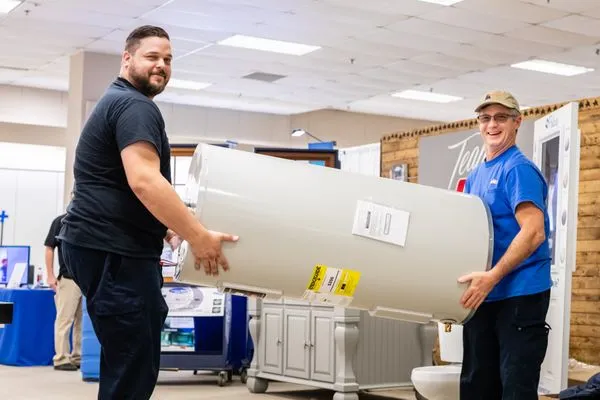
Mountaineer Mechanical is a family-owned mechanical services company founded by Eddie, a Little Hocking native who returned to his roots to build a business grounded in family, trust, and teamwork. St...
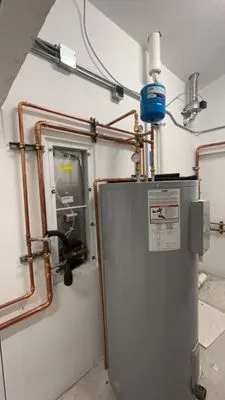
JB Handyman is your trusted local handyman and plumbing expert serving Davisville, WV, and the surrounding communities. We specialize in a wide range of essential home services, from appliance and wat...
Vienna Plumbing Repair is a trusted local plumbing service based in Vienna, WV, dedicated to addressing the specific plumbing challenges faced by homeowners in our community. We specialize in comprehe...
Parkersburg Plumbing Heating & Cooling is your trusted Vienna, WV, neighbor for reliable home services. We understand the common plumbing challenges local homeowners face, from stubborn kitchen grease...

Advanced Septic Solutions is a trusted, full-service plumbing and excavation contractor serving Belleville, WV, and the surrounding communities. We understand that sudden leaks from dishwashers or bur...
Royal Heating and Cooling
Royal Heating and Cooling is a trusted, family-owned HVAC, plumbing, and electrical company serving Mineral Wells, WV. We believe in honest, dependable service, treating every customer like a neighbor...
SPARTA, LLC - Residential and Commercial Building Inspection Ser
SPARTA, LLC is Williamstown's trusted partner for thorough residential and commercial building inspections. We specialize in detailed electrical and plumbing inspections, along with home interior desi...
Contractor Services
Contractor Services in Waterford, OH provides comprehensive home improvement solutions, specializing in plumbing, HVAC, and remodeling. Our services include bathroom and kitchen remodeling, bathtub an...
Estimated Plumbing Costs in Devola, OH
Questions and Answers
Does water from the Muskingum River ruin water heaters faster?
The river water is treated, but it remains hard, meaning it's high in dissolved minerals like calcium and magnesium. Inside your water heater, these minerals precipitate out as scale, coating the heating elements and tank lining. This insulating layer reduces efficiency and causes the heater to work harder, overheating the steel tank and significantly shortening its lifespan.
Why are homes in Devola Heights suddenly having so many plumbing problems?
The copper plumbing in Devola was installed around 1967, making it 59 years old in 2026. Copper has a typical service life of 50 to 70 years. We're now in the window where homeowners are seeing the cumulative effects of nearly six decades of water flow and mineral interaction. What you're noticing is not a coincidence; it's the predictable failure phase for this generation of piping.
Do I need a permit from Washington County to replace my water heater?
Yes, Washington County Building Department requires a permit for water heater replacement to ensure it meets current code for safety and expansion control. As a Master Plumber licensed by the Ohio Construction Industry Licensing Board, I pull that permit, schedule the inspection, and handle all the red tape. You get the paperwork finalized without having to navigate the county offices yourself.
What causes those tiny pinhole leaks in my copper pipes?
Pinhole leaks in 59-year-old copper are often due to a process called pitting corrosion. Over decades, minerals in our hard water create localized spots of corrosion that eventually eat through the pipe wall. The age of the system means the pipe's internal protective layer is worn away, making it more susceptible. It's a common failure mode for copper of this vintage.
As a Devola suburb homeowner, what's my biggest plumbing risk?
Your lateral line—the pipe running from your house to the municipal main under the street—is your responsibility. In our suburban setting, tree roots seeking moisture are the primary threat. They infiltrate pipe joints and can cause complete blockages or cracks. It's different from rural well and septic concerns; here, maintaining that buried private line is the key to avoiding a backyard excavation.
What's the most important spring plumbing task for a Devola home?
Before the spring thaw hits its peak, disconnect any garden hoses from your outdoor faucets. If water is trapped in the hose bib and freezes during a 21-degree night, it can split the pipe inside your wall. A pro-tip is to do this in late February, well before the nightly freeze-thaw cycle really gets going. It's a simple step that prevents a costly wall repair.
Could the hilly land in Devola be causing my slow drains?
Yes, the slope of your property directly affects your main sewer line. A line running downhill can develop sags or bellies over time where waste collects. Conversely, a steep grade can put extra stress on pipe joints. Soil movement on these hills, especially near the Muskingum River floodplain, can also shift pipes, leading to cracks or separated joints that cause blockages.
How long does it take a Devola plumber to get here during a leak?
From my shop near the Muskingum River, I take SR 60 straight into Devola and Devola Heights. Barring major traffic, that's a reliable 20 to 30 minute drive. I factor that route and time into my dispatch for emergencies, so you'll get a realistic ETA when you call. Knowing the backroads helps shave minutes if needed.
