Top Emergency Plumbers in Delhi Hills, OH, 45238 | Compare & Call

There are 201 plumbing companies server in Delhi Hills OH
DNA Construction & Welding
DNA Construction & Welding is a locally owned and operated contractor in Aurora, Indiana, founded and run by owner Dean. After a lifetime of experience in the trades, Dean created this company to be a...
Carroll Gompf & Son Sewer
For over 60 years, Carroll Gompf & Son Sewer has been a trusted, family-owned plumbing and sewer service provider in Lawrenceburg and the surrounding Tri-State area. We handle a wide range of resident...

Diamond Plumbing is a family-owned and operated plumbing service based in Lawrenceburg, IN, founded by Ethan with deep roots in the trade. Growing up immersed in plumbing and business through his fath...
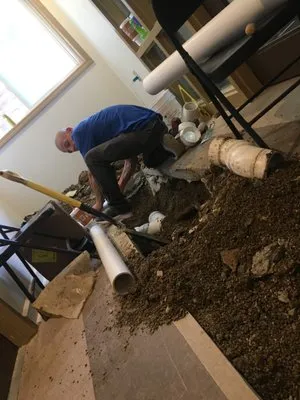
The Randyman in Aurora, IN is a family-owned and operated handyman and plumbing service built on a foundation of 20 years of experience. Founder Randy started the business to provide honest craftsmans...
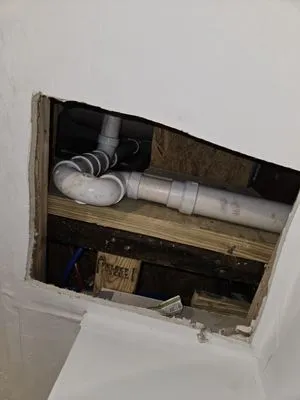
Weed's Home Services is a Veteran-owned home repair and improvement company serving West Harrison, IN, and the surrounding area. Founded in 2019, we bring over 15 years of hands-on experience to every...
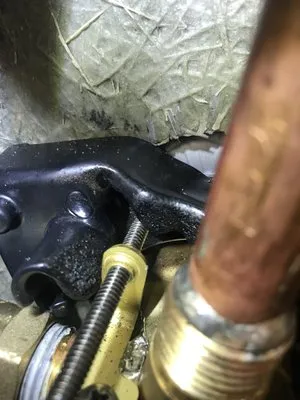
Simple Man Construction
Simple Man Construction is a family-owned and operated business with deep roots in the Richmond, KY community. As a third-generation construction professional with over 15 years of hands-on experience...

Nurse Nest Management is a trusted Hillview, KY business offering comprehensive property solutions for both residential and commercial clients. We specialize in interior design services—from full home...
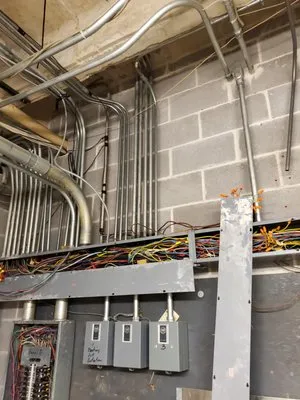
RBS Mechanical and Handyman Service
RBS Mechanical and Handyman Service is a locally-owned and operated team of experienced tradesmen serving Florence, KY. Founded by professionals who left larger corporate contractors, we built our bus...
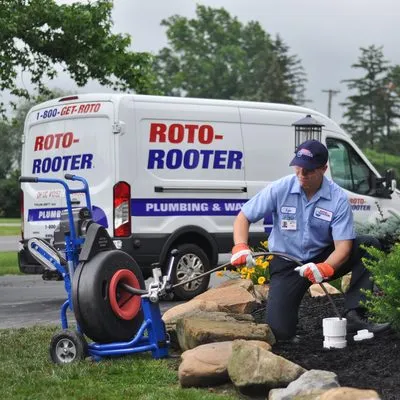
Roto-Rooter Plumbing & Water Cleanup
Roto-Rooter Plumbing & Water Cleanup in Florence, KY, is your local, reliable partner for all plumbing and water damage needs. We are a fully staffed, locally-operated team available 24 hours a day, 7...
Arlinghaus Plumbing Heating & Air Conditioning
Arlinghaus Plumbing Heating & Air Conditioning is a family-owned business proudly serving Erlanger, KY, and the Greater Cincinnati area since 2008. Founded by Brian and Heather Arlinghaus, our team of...
Estimated Plumbing Costs in Delhi Hills, OH
Common Questions
Can the hilly land in Delhi Hills cause plumbing problems?
Yes, the slope affects drainage and pipe stress. A home built on a hillside, like many near Delhi Park, often has a long, vertical main sewer line running down to the street. The constant gravitational pull and shifting soil can put stress on pipe joints, leading to separations or cracks. This terrain also means surface water drains quickly, which can expose and erode the soil supporting buried pipes, leading to potential sinkholes or line breaks.
Does Ohio River water damage my home's plumbing?
The municipal water sourced from the Ohio River is very hard, meaning it has high mineral content. This causes scale—a concrete-like buildup of calcium and magnesium—inside pipes and appliances. Water heaters are especially vulnerable; scale insulates the heating elements, forcing them to work harder and fail prematurely. You will also see reduced flow at faucets and showerheads as the openings get clogged with mineral deposits.
Why are copper pipes in my Delhi Hills home suddenly failing?
Copper plumbing installed around 1971 is now 55 years old. At this age, the copper has undergone decades of thermal expansion, water chemistry changes, and internal abrasion from water flow. Homeowners along the Delhi Pike Corridor are commonly seeing pipes thin from the inside out, leading to pinhole leaks that start as small damp spots on walls or ceilings. This is a predictable failure point for the building stock in this area.
Do I need a permit to replace my water heater in Delhi Township?
Yes, Delhi Township Building Department requires a permit for a water heater replacement, as it involves gas, water, and pressure relief connections. As a Master Plumber licensed by the Ohio Construction Industry Licensing Board, I pull that permit, schedule the required inspection, and ensure the installation meets all current code. My crew handles the red tape so you do not have to navigate township paperwork or risk a violation.
What should I do to prepare my plumbing for a Cincinnati spring?
The spring thaw, following nights that can still dip near 22°F, is a peak time for leaks. As the ground saturates, it shifts and can stress already old pipe joints. A specific pro-tip for our temperate climate is to check your basement or crawlspace for drips during and after a heavy spring rain. That is when hidden leaks in the main water line or drain lateral often make themselves known due to the added hydrostatic pressure.
How fast can a plumber get to my house near Delhi Park?
From our shop, a typical dispatch route heads past Delhi Park onto US-50, which provides a direct artery through the township. Barring heavy traffic on the Pike, we can be at your door in 35 to 45 minutes. We keep trucks stocked for common local calls, so we often have the parts to start work immediately upon arrival.
As a suburban homeowner, what are my main plumbing concerns?
In a suburban setting like ours, the primary concerns are the age of the infrastructure from the street to your house and the pressure from the municipal system. Older service lines and sewer laterals are prone to failure. Furthermore, while we do not have the dense tree root issues of older city neighborhoods, the mature trees in our yards can still send roots seeking water into any small crack in an underground pipe, causing blockages.
What is a pinhole leak and why does it happen in copper pipes?
A pinhole leak is a tiny, pinpoint failure in a copper pipe wall, often caused by localized corrosion. In 55-year-old systems, this is frequently due to a combination of the water's pH and mineral content, along with microscopic flow turbulence that wears the pipe from the inside. The leak typically starts seeping before it bursts, so a stain on a drywall ceiling is a critical early warning sign you should not ignore.
