Top Emergency Plumbers in Coventry, OH, 44203 | Compare & Call

There are 239 plumbing companies server in Coventry OH
ExpertPipe Rooter is a family-owned plumbing service based in Cleveland, OH, dedicated to providing reliable and transparent solutions for residential plumbing needs. We specialize in a comprehensive ...

Sal's Heating & Cooling, Plumbing & Sewer
Sal's Heating & Cooling, Plumbing & Sewer has been serving North Royalton and surrounding communities since 1975. Founded by Sal Sidoti Sr. and now led by his son Sal Sidoti, this family-owned busines...

Plumbing 911 is a family-owned and operated plumbing service serving Akron and Northeast Ohio since 2010. Founded by Master Plumber Keith Miller and his wife Karen, the business is built on a simple p...
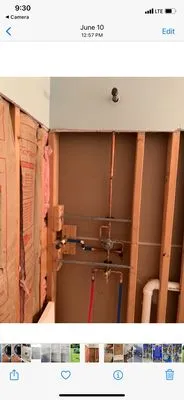
Advanced Plumbing in Austintown, OH, is a trusted local plumbing service provider dedicated to helping homeowners and businesses with a wide range of plumbing needs. From routine installations and rep...
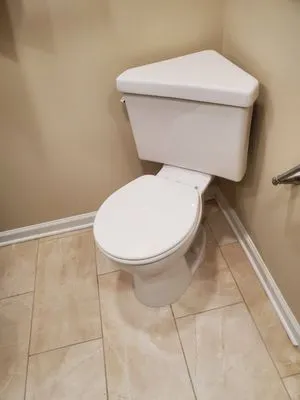
Your Home Handyman in Cuyahoga Falls is your local, trusted expert for plumbing and electrical projects. With roots in the community dating back to the 1970s, I began my career as a plumber's helper, ...
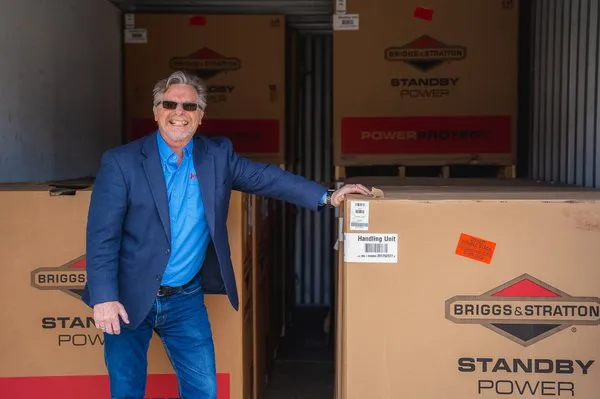
Jennings Heating, Cooling, Plumbing & Electric
Jennings Heating, Cooling, Plumbing & Electric has been a trusted home services provider in Akron since 1931. Originally founded by the Jennings brothers, the company has grown from a coal supplier in...
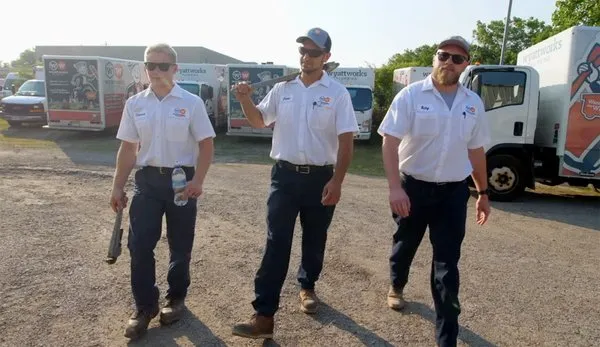
WyattWorks Plumbing
WyattWorks Plumbing has been serving Seven Hills, OH, since 1980, providing reliable plumbing solutions for homeowners. Specializing in hydro-jetting, water heater services, drain cleaning, and trench...
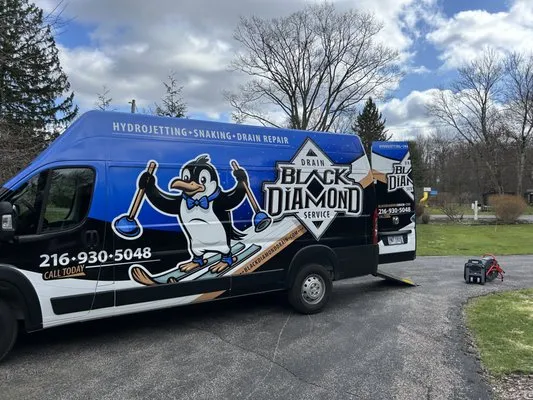
Black Diamond Drain Service
Black Diamond Drain Service is your trusted local plumbing and drain specialist in Bedford Heights, OH. We understand the common frustrations Bedford Heights residents face, such as low water pressure...
Eastern Plumbing Mechanical Contractors has been a trusted name in Twinsburg, Ohio, and the surrounding counties for over 50 years. Founded in 1972, this second-generation, family-owned business is le...
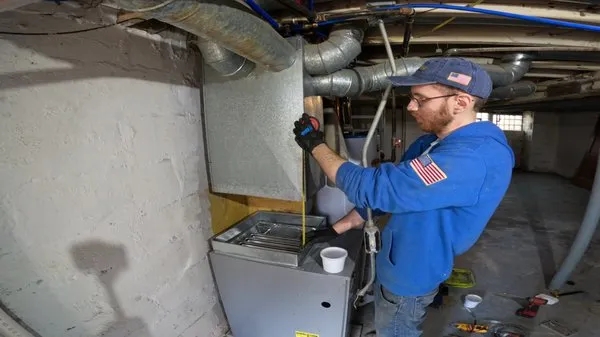
Northeast Ohio HVAC is a licensed HVAC and plumbing contractor serving Cleveland and all of Northeast Ohio. With over 16 years of experience in both residential and commercial settings, we specialize ...
Estimated Plumbing Costs in Coventry, OH
FAQs
Why are so many Coventry homes from the 1960s having plumbing problems now?
Copper pipes installed around 1965 are now about 61 years old. In Manchester and Coventry neighborhoods, homeowners are seeing widespread pinhole leaks and joint failures as the copper reaches the end of its typical lifespan. This aging infrastructure means you might notice water stains on ceilings, reduced water pressure, or higher water bills. These issues tend to cluster in homes from that era as the metal fatigues from decades of water flow and mineral buildup.
How does Coventry's hilly landscape affect my home's drainage system?
The slope around Portage Lakes creates drainage challenges that stress main sewer lines. Gravity pulls wastewater downhill, but soil shifting on slopes can misalign pipe joints or create low spots where debris collects. During heavy rains, groundwater infiltration increases pressure on already-stressed lines. Homes at the bottom of hills often see the combined effects of multiple properties' drainage, making regular camera inspections worthwhile to catch issues before they become emergencies.
What permits or inspections are needed for plumbing work in Summit County?
Summit County Department of Building Standards requires permits for most plumbing modifications, including water heater replacements, sewer line repairs, and bathroom additions. As a licensed master plumber through the Ohio Construction Industry Licensing Board, I handle the permit applications, inspections, and code compliance paperwork. This ensures your project meets current standards while protecting your home's value. You get the finished work without navigating bureaucratic requirements yourself.
Does Akron's hard water damage my water heater or fixtures?
Akron's water supply carries significant mineral content that accelerates scale buildup in water heaters and fixtures. Inside your water heater, this scale acts as insulation, forcing the unit to work harder and shortening its lifespan. On faucets and showerheads, mineral deposits restrict flow and degrade rubber seals. Annual flushing of your water heater and regular fixture cleaning can mitigate these effects, but the hard water will eventually take its toll on any system.
What should Coventry homeowners do before spring thaw to prevent plumbing issues?
Before temperatures rise above freezing consistently, disconnect and drain outdoor hoses, then shut off their supply valves inside. Check exposed pipes in basements and crawl spaces for insulation gaps, particularly where pipes enter exterior walls. Monitor your water pressure during thaw periods—sudden drops can indicate a leak developing. These steps help prevent the burst pipes that commonly occur when frozen sections thaw and reveal weaknesses.
How quickly can a plumber reach my Coventry home in an emergency?
Heading past Portage Lakes on I-77 gets me into Coventry within 25-35 minutes for most calls. That route avoids local traffic bottlenecks while keeping response times predictable. For urgent situations like burst pipes or sewer backups, I can typically be on site before significant damage occurs. Knowing the backroads around Manchester helps shave minutes when every minute counts.
Are suburban Coventry homes more prone to certain plumbing problems than rural properties?
Municipal water pressure in Coventry's suburban areas creates different challenges than rural well systems. Consistent pressure from the city supply means more stress on aging pipes and fittings over time. Tree roots seeking water sources frequently invade lateral lines between homes and main sewars, especially with mature landscaping common in established neighborhoods. Unlike rural properties with septic concerns, Coventry homes deal with shared municipal infrastructure where one property's issue can sometimes affect neighbors downstream.
What causes those tiny leaks in older copper pipes around here?
Pinhole leaks develop in 1960s-era copper due to a combination of age and local water chemistry. After six decades, the protective oxide layer inside the pipes breaks down, allowing microscopic pits to form. These eventually penetrate the pipe wall, creating leaks that start small but grow quickly. Joint calcification from mineral deposits also stresses older solder connections, leading to failures at fittings and elbows.
