Top Emergency Plumbers in Coal Grove, OH, 45638 | Compare & Call

There are 38 plumbing companies server in Coal Grove OH

All-Pro Plumbing has been serving Prestonsburg and Eastern Kentucky since 2007, when we combined two smaller companies to create a comprehensive plumbing service. With over 12 years in business, we ge...
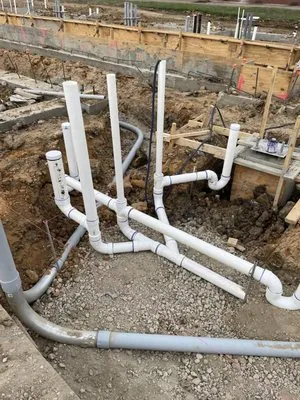
Spot on Johnny is a dedicated plumbing and construction service based in David, KY, where owner Johnny personally oversees every project from start to finish. With extensive experience across plumbing...

Ashland Plumbing Sewer & Drain Cleaning Service has been serving the Ashland, Kentucky community for years, building a reputation for reliable plumbing solutions. Our team of trained technicians provi...
Smith & Sons Plumbing
For over a decade, Smith & Sons Plumbing has been Ashland's reliable partner for residential and commercial plumbing needs. As a family-owned and operated business, we understand the unique challenges...
Dick & Sons Plumbing is a trusted, family-owned plumbing service proudly serving Ashland, KY, and the surrounding Tri-State area. With deep roots in the community, we understand the common plumbing ch...
Tru Flow Sewage & Water Leak Repair is Ashland's trusted local plumbing specialist, focused on protecting your home from water damage and costly repairs. We understand that pipe joint leaks and broken...
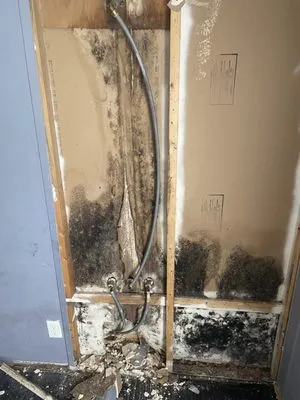
Shoopman Enterprises is a licensed and insured home service provider serving Grayson, KY, offering a comprehensive range of appliance installation and repair, electrical work, plumbing, handyman assem...
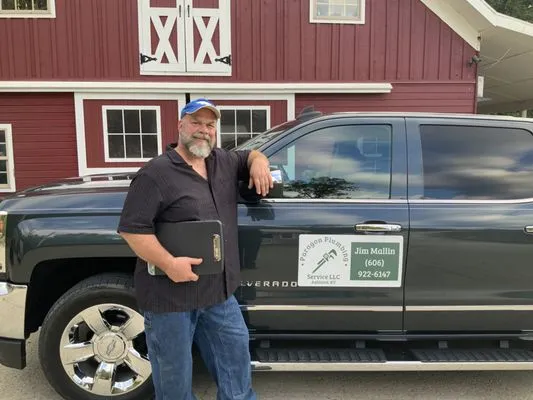
Paragon Plumbing Service is a locally owned and operated business serving Ashland, KY, and the surrounding area. Founded and run by Kentucky Master Plumber Jim Mallin, the company brings nearly 20 yea...
Tri State Heating & Air
Tri-State Heating & Air is a BBB-accredited HVAC and plumbing service provider serving Flatwoods, KY and the greater Tri-State area. With over 20 years of experience, we specialize in residential and ...
S L Ginn & Sons Plumbing is a family legacy serving Vanceburg and the surrounding communities since 1957. It began when B L Ginn and his son, Sam, started installing gas lines for local residents, who...
Estimated Plumbing Costs in Coal Grove, OH
Q&A
What's the most important spring plumbing task for this area?
Before the spring thaw hits its peak, disconnect any garden hoses from your exterior faucets. A hose left connected traps water in the bib; when the overnight temperature still dips near 24°F, that water freezes and can crack the faucet or the pipe inside your wall. This simple step prevents a common and costly leak as the seasons change.
Could the hills in Coal Grove be causing my drainage problems?
The hilly terrain here directly stresses your main sewer line. The slope can cause soil to gradually shift and settle, putting uneven pressure on buried pipes that may lead to a misaligned joint or a crack. During heavy rain, water also follows the path of least resistance down these slopes, which can overload and infiltrate older drainage systems.
Are septic system issues common for plumbers here?
Yes, servicing private septic and well systems is a regular part of the job in rural Lawrence County. Issues like a failing drain field, a full septic tank, or a well pump losing pressure are frequent calls. These systems require specific expertise that differs from working on a municipal sewer connection, particularly in diagnosing whether a problem is in the house plumbing or the external system.
How fast can a plumber get to my house in Coal Grove?
A typical dispatch route starts near the Ohio River and follows US-52 into the community. Heading past the river on US-52, we can navigate the local roads to reach most homes in the area within 20 to 30 minutes. Knowing these main arteries and side streets is key to a quick response when you have a water leak.
How long do galvanized steel pipes last in a Coal Grove home?
Galvanized steel pipes installed around 1951 are now 75 years old. In homes near the Coal Grove Village Center, this age means the interior zinc coating has completely deteriorated. What you see now is widespread rust buildup inside the pipe, which causes chronically low water pressure at every faucet and a persistent metallic taste in the water. The steel itself becomes thin and brittle, making sudden failures a common event.
Do I need a permit to replace my water heater?
The Lawrence County Building Department typically requires a permit for a water heater replacement due to safety codes. As a master plumber licensed by the Ohio Construction Industry Licensing Board, I pull those permits, schedule the required inspections, and ensure the installation meets all current code. Handling this red tape is part of the job so you don't have to navigate it yourself.
Why are my old pipes suddenly springing pinhole leaks?
Galvanized steel from the early 1950s suffers from a specific failure called pinhole leaks. Decades of internal corrosion create weak spots where the pipe wall is paper-thin. The constant pressure from your water system eventually pushes through these spots, resulting in a small but persistent spray. These leaks often appear first at threaded joints or along horizontal pipe runs in the basement.
Does Ohio River water damage my water heater?
Water sourced from the Ohio River is hard, meaning it has high mineral content. Over time, this causes scale—a concrete-like coating of calcium and magnesium—to build up inside your water heater tank and on its heating elements. This scale acts as an insulator, forcing the heater to work harder, use more energy, and fail years earlier than it should.
