Top Emergency Plumbers in Clark, OH, 43804 | Compare & Call

There are 238 plumbing companies server in Clark OH
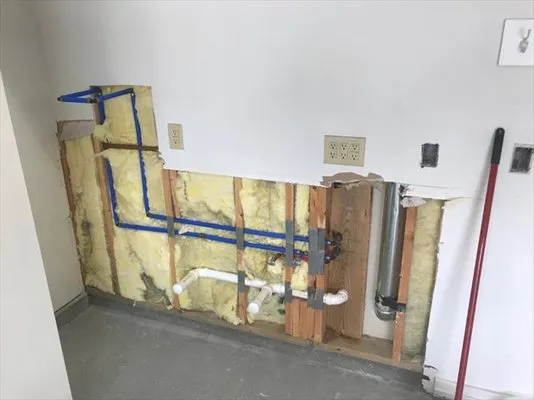
Steve Morin Plumbing Service
Steve Morin Plumbing Service is a veteran-owned plumbing business serving Indianapolis and Hamilton County since 1986. Founded by Steve Morin, a U.S. Army veteran who began his plumbing career after s...
Grateful Plumber
Adam, a highly experienced licensed plumber, founded Grateful Plumber to serve the greater Indianapolis area with a commitment to quality and reliability. We believe a successful plumbing business is ...
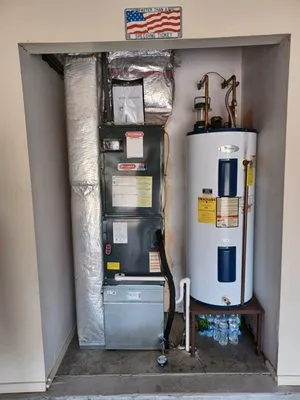
Peterman Brothers
Peterman Brothers began in 1986 when Pete, an HVAC contractor in Beech Grove, noticed his community deserved better service and founded Peterman Heating & Cooling to provide genuine, personalized care...

T & C Plumbing was founded in 2022 by a McCordsville plumber who saw a local need for fair and affordable plumbing services. Frustrated by high prices in the area, the owner made a commitment to alway...
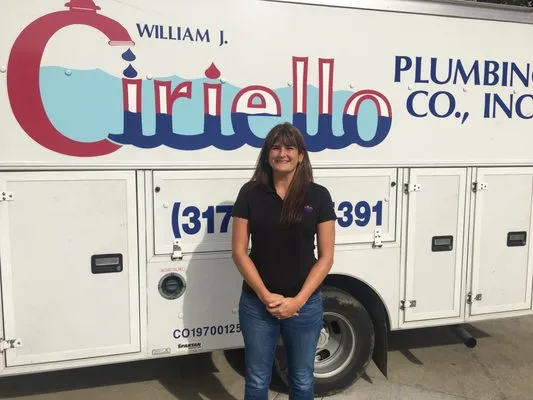
Ciriello Plumbing
Ciriello Plumbing has been serving the Greater Indianapolis area since 1952, when Bill Ciriello, Sr. started the family-owned business with a $200 loan and a commitment to quality workmanship and cust...
Rooterman
RooterMan in Muncie, IN, is a locally owned plumbing service with deep roots in the community. Founded by Rick, a former USAF veteran and software professional who transitioned to plumbing to pursue h...

Cook&perry Plumbing is your trusted, local plumbing expert serving New Palestine and the surrounding areas. We understand the common frustrations homeowners here face, from persistent toilet seal leak...
Roto-Rooter Plumbing & Water Cleanup
I am a Local SEO writer specializing in creating helpful, factual content for service-based businesses to connect with their local communities....
Mister Quik Home Services
Mister Quik Home Services has been central Indiana's trusted partner for home comfort and repair since 2000. For over 24 years, we've built our reputation in the Indianapolis area on reliability, affo...
Wyatt & Son's Plumbing is a family-owned and operated plumbing contractor proudly serving Anderson, Muncie, Marion, Pendleton, Fishers, Noblesville, and surrounding communities. Formerly known as J & ...
Estimated Plumbing Costs in Clark, OH
Questions and Answers
Who handles permits for plumbing work in Clinton County?
Clinton County Building and Zoning Department manages local permits while the Ohio Construction Industry Licensing Board oversees professional credentials. As a licensed master plumber, I coordinate with both agencies directly. Homeowners don't need to navigate this paperwork—proper documentation gets filed as part of the service.
Can hilly terrain around Clark Lake affect my plumbing?
Slopes create uneven stress on main water lines, particularly where soil shifts during freeze-thaw cycles. Drainage patterns around hilly areas like Clark Lake Wildlife Area can direct surface water toward foundations, increasing basement flooding risk. Proper grading and secure pipe anchoring become critical in these landscapes.
Does hard water from private wells damage plumbing systems?
Hard water accelerates scale buildup inside water heaters, reducing efficiency by 20-30% over five years. Fixtures develop mineral deposits that restrict flow and cause premature washer failure. For homes with private wells, this scaling combines with the natural corrosion of older pipes, creating a compounding maintenance challenge.
What should Clark homeowners do before spring thaw hits?
Insulate exposed pipes in crawl spaces and basements before temperatures drop to 20°F. Drain outdoor spigots completely and shut off their supply valves. Check your main water shut-off valve for easy access—frozen pipe emergencies require quick action. These steps prevent the most common cold-weather plumbing failures in our temperate climate.
What causes those small leaks in older Clark homes?
Galvanized steel pipes from the 1960s develop pinhole leaks where internal corrosion eats through the thinnest sections of pipe wall. Joint calcification also occurs—mineral deposits build up at connections until they crack fittings. Both problems stem from the same issue: 64-year-old metal that's reached its structural limits.
How does rural living in Clark change plumbing maintenance?
Private wells and septic systems mean you're responsible for the entire water cycle on your property. Well pumps need regular inspection, and septic tanks require pumping every 3-5 years. There's no municipal backup when systems fail, so preventive maintenance becomes essential rather than optional.
How quickly can a plumber reach my home in Clark?
Heading past Clark Lake Wildlife Area on State Route 207, most service calls take 45-60 minutes from dispatch. That route covers the main residential areas while avoiding unnecessary detours. We maintain this response window year-round, though spring thaw can sometimes add a few minutes to travel time.
Why are so many Clark Center homes having plumbing issues lately?
Galvanized steel pipes installed around 1962 are now 64 years old. At this age, the zinc coating has completely worn away, leaving bare steel exposed to constant water contact. Homeowners throughout Clark Center are seeing rust-colored water, reduced water pressure, and frequent leaks as the metal corrodes from the inside out. This isn't sudden failure—it's the predictable end of a pipe's service life.
