Top Emergency Plumbers in Catawba Island, OH, 43452 | Compare & Call

There are 224 plumbing companies server in Catawba Island OH

Buckeye Plumbing & Drains is your local, licensed plumbing and septic expert serving Orient and the surrounding central Ohio communities. We know plumbing problems are stressful, which is why our appr...

XCEL Plumbing & Drains is a locally owned and operated plumbing service dedicated to serving the residents of Columbus, Ohio. We understand that plumbing problems can disrupt your home and your day. O...
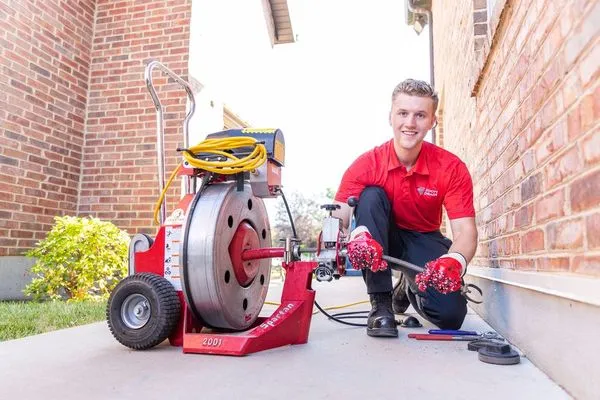
Zoom Drain in Powell, OH, is your local specialist for resolving stubborn drain and sewer issues. Our fully equipped service trucks arrive prepared for anything, featuring advanced video inspection te...

Mid City Property Pros is a Columbus-based home service company specializing in handyman, electrical, and plumbing work. We help local homeowners with repairs, installations, and maintenance, from fix...

Handyman 24 7 is a full-service home maintenance and repair company serving Columbus, OH, and surrounding areas. We provide a comprehensive range of solutions, from simple handyman tasks like furnitur...
At Greene's Plumbing Service in Columbus, OH, we believe if a job's worth doing, it's worth doing right. That commitment to quality is the foundation of every repair and installation we handle for our...
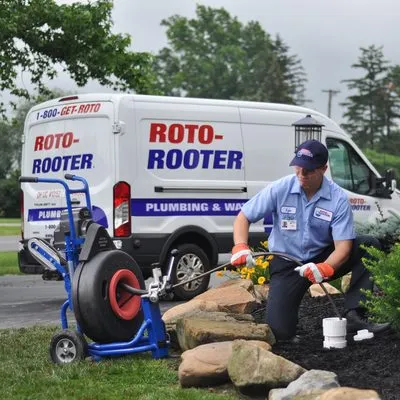
Roto-Rooter Plumbing & Water Cleanup
Roto-Rooter Plumbing & Water Cleanup provides reliable, 24/7 emergency plumbing and water damage services for Delaware, OH, homeowners and businesses. Our team is fully staffed and ready to help with ...
Done Right Plumbing is your trusted, full-service plumbing partner in Delaware, Ohio. We specialize in everything from routine repairs to complete installations, ensuring your home's water and gas sys...
Amanda Plumbing
Amanda Plumbing has been a trusted, family-owned plumbing resource for Delaware, OH, and surrounding communities since 1995. Built on word-of-mouth referrals and lasting customer relationships, we are...
Berwick General Contracting is your trusted, full-service handyman and contractor in Tiffin, Ohio. We specialize in a comprehensive range of home repairs and installations, from appliance work and ele...
Estimated Plumbing Costs in Catawba Island, OH
Common Questions
Our house was built in the late 70s. Should we be worried about the plumbing?
Homes built around 1979 have copper pipes that are now 47 years old. On Catawba Island, particularly in the Island View area, we're seeing a predictable pattern. The solder joints in that era of copper are failing, and the pipe walls are thinning from decades of water flow. It's not an immediate panic, but a proactive inspection is wise to catch issues before they become a major leak in your wall or slab.
How long does it take for a plumber to get to Catawba Island?
From my shop, the dispatch route typically starts by heading past Miller Ferry on State Route 53. Depending on your exact location on the island, it's a 45 to 60 minute drive. We factor in the ferry traffic and the single main road access, so we provide a realistic window and call when we're on the peninsula to confirm the final ETA.
Do I need a permit to replace my water heater in Ottawa County?
Yes, most plumbing replacements require a permit from the Ottawa County Building Department. As a Master Plumber licensed by the Ohio Construction Industry Licensing Board, I pull those permits, schedule the inspections, and ensure the work meets all current code. This isn't just red tape; it's a verification of safety for your home. I handle that process so you don't have to navigate the paperwork yourself.
As a rural homeowner, what's different about my plumbing system?
Your system is self-contained. You rely on a private well and a septic system, not municipal water and sewer. This means maintenance is entirely your responsibility. Well pump pressure switches and tank pre-charge need checking, and the septic tank requires regular pumping—every 3-5 years is standard here. A failing septic field is a far more costly repair than a clogged city sewer line.
Does Lake Erie water damage my water heater?
Indirectly, yes. The mineral content from the lake makes our water very hard. Over time, that hardness forms scale buildup inside the tank and on the heating elements. This insulating layer forces the heater to work harder, shortening its lifespan and increasing energy bills. An annual flush and a properly sized whole-house water softener are the most effective defenses for any appliance using hot water.
Why do my copper pipes keep springing pinhole leaks?
For 47-year-old copper, pinhole leaks are a common failure point. Two main culprits are at work here. First, decades of hard water create scale that pits the interior pipe wall. Second, the natural acidity of our local water can cause a form of corrosion called Type I pitting. It starts inside the pipe, out of sight, until it finally penetrates the wall, usually at a joint or bend where turbulence is highest.
What's the most important plumbing prep for a Catawba Island winter?
The critical period is late fall, before temperatures consistently hit that 18-degree low. Insulate all pipes in unheated spaces like crawl spaces and garages. More importantly, disconnect and drain every outdoor hose bib. A pro-tip for our temperate climate is to also ensure your crawl space vents are closed; the coastal wind during a cold snap can freeze a pipe faster than the air temperature alone suggests.
Could the slope of my property cause a sewer problem?
The coastal terrain here can stress drainage systems. A significant slope toward the house can overload your foundation drain or put lateral pressure on the main sewer line exiting the home. Conversely, a slope away from the house must be graded correctly; otherwise, stormwater can pool and saturate the soil around your pipes, leading to settling and potential line breaks, especially near areas like Miller Ferry where the land meets the water.
