Top Emergency Plumbers in Bucks, OH, 43804 | Compare & Call

There are 240 plumbing companies server in Bucks OH
Appalachia Handyman Services
Appalachia Handyman Services has been serving the Rachel, WV community with reliable home improvement solutions for over two decades. Founded in 2016 after working alongside an experienced contractor ...

Drain Works is your trusted Wheeling plumbing specialist. When clogs or leaks disrupt your home, we provide same-day service to restore your peace of mind. Our team brings deep expertise and specializ...
Prime Plumbing is a trusted local plumbing and remodeling contractor serving Moundsville, WV, and surrounding areas. With years of experience, we specialize in a comprehensive range of services includ...
Cipoletti Plumbing
Cipoletti Plumbing is a trusted, full-service plumbing company serving Wellsburg, WV, and the surrounding areas. We specialize in addressing the common plumbing challenges faced by local homeowners, s...
JM Cashdollar Plumbing began by handling all types of residential maintenance work in the Chester area. Through that experience, we recognized a pressing, local need for reliable plumbing services and...
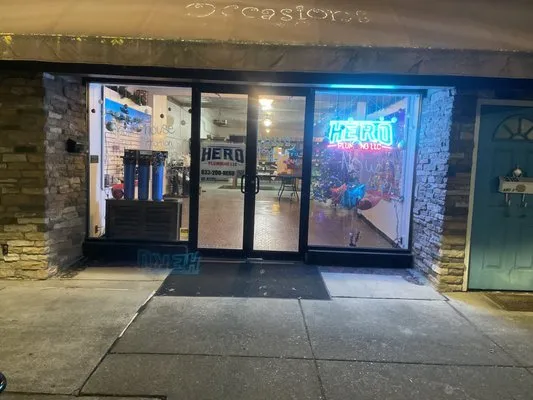
Hero Plumbing is a licensed plumbing service in New Martinsville, WV, specializing in water, sewer, and fuel gas systems. Our certified team handles both residential and commercial projects, offering ...

The Local Plumber, LLC is a family-owned and operated plumbing service proudly serving Columbus and the surrounding communities since 2022. As a local, small business, we bring a personal touch to eve...
Buckeye Plumbing & Drains is your local, licensed plumbing and septic expert serving Orient and the surrounding central Ohio communities. We know plumbing problems are stressful, which is why our appr...
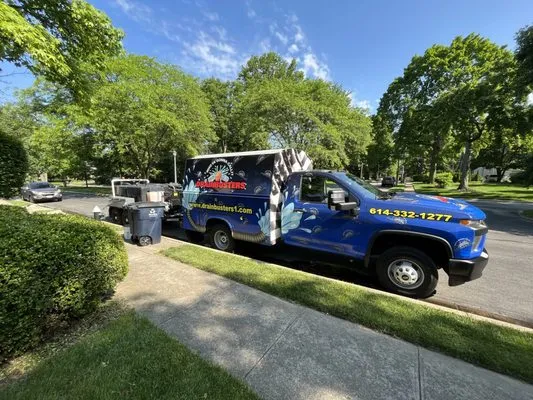
Drainbusters is a family-owned sewer and drain cleaning company proudly serving Westerville, Ohio, and the surrounding communities. Founded 17 years ago, the business is built on a legacy of expertise...
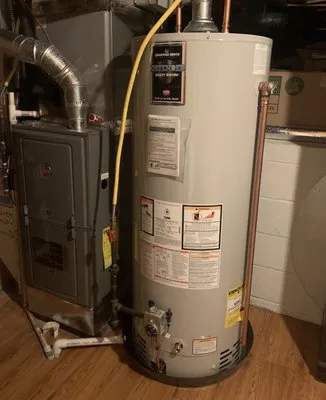
Eco Plumbers Electricians And HVAC Technicians
Eco Plumbers Electricians And HVAC Technicians is a Hilliard-based service provider founded by Aaron Gaynor, Ohio's first Licensed Green Plumber and 2013 Columbus Green Plumber of the Year. Since 2007...
Estimated Plumbing Costs in Bucks, OH
Frequently Asked Questions
Who pulls the permits for a water heater or repipe job in Seneca County?
I handle all required permits through the Seneca County Building Department and provide the documentation for your records. As a master plumber licensed by the Ohio Construction Industry Licensing Board, my credentials allow me to manage that red tape directly. This ensures the work meets code for insurance and future property sales, so you don't have to navigate the process yourself.
How long does it take a plumber to get to my house in Bucks?
My typical dispatch route heads past Bucks County Park on State Route 530. Barring heavy farm equipment or winter conditions, I can be at most homes in the township within 45 to 60 minutes. I plan routes to account for the single-lane stretches and school bus schedules common off the main roads.
Why am I suddenly getting plumbing leaks in my Bucks Center home?
Your home was likely built around 1968, which means the copper piping is now about 58 years old. That's the typical lifespan for copper in our area's hard water. Homeowners across Bucks are now seeing the cumulative effect of decades of mineral abrasion and internal corrosion, which leads to widespread pinhole leaks, especially in hot water lines and at solder joints.
What's causing the blue-green stains on my copper pipes?
That staining indicates active corrosion, a predictable failure for 1960s-era copper. Two main issues occur at this age. First, pinhole leaks form where hard water scale wears through the pipe wall. Second, the original soldered joints can calcify and fail, often at elbows and tees, because the flux used decades ago eventually accelerates corrosion.
What's the best time of year to check my plumbing before it breaks?
Schedule a pressure check and inspection in late fall, before temperatures consistently hit the annual low around 18°F. This temperate climate has a deceptively harsh freeze-thaw cycle. Ground shifting from the spring thaw puts the most stress on already aged main lines and well entries. Addressing minor leaks before winter prevents major line bursts.
Are septic and well issues handled differently in rural Bucks?
Absolutely. In a rural setting, every plumbing decision must account for both the septic system's drain field and the well pump's pressure tank. For instance, a running toilet can overload a septic tank, and using the wrong pipe material can contaminate your own well. Repairs always require a dual focus on protecting your water source and your disposal system.
Could the flat land around here be causing my slow drains?
The plain terrain around Bucks County Park lacks the natural slope for ideal drainage. Over decades, this can cause waste lines from your home to settle or develop a low spot, creating a place for debris to collect and cause recurring clogs. It also means surface water pools near foundations, which can stress and infiltrate the main sewer line if it's compromised.
Does having a private well make my plumbing problems worse?
Yes, private wells in Bucks typically pull from aquifers with very high mineral content. That hard water causes rapid scale buildup inside pipes and appliances. Your water heater's tank and elements are especially vulnerable; scale acts as an insulator, forcing the heater to work harder and fail sooner, while also restricting flow to fixtures.
