Top Emergency Plumbers in Buckeye Lake, OH, 43008 | Compare & Call

There are 142 plumbing companies server in Buckeye Lake OH
Buckeye Plumbing & Drains is your local, licensed plumbing and septic expert serving Orient and the surrounding central Ohio communities. We know plumbing problems are stressful, which is why our appr...

XCEL Plumbing & Drains is a locally owned and operated plumbing service dedicated to serving the residents of Columbus, Ohio. We understand that plumbing problems can disrupt your home and your day. O...
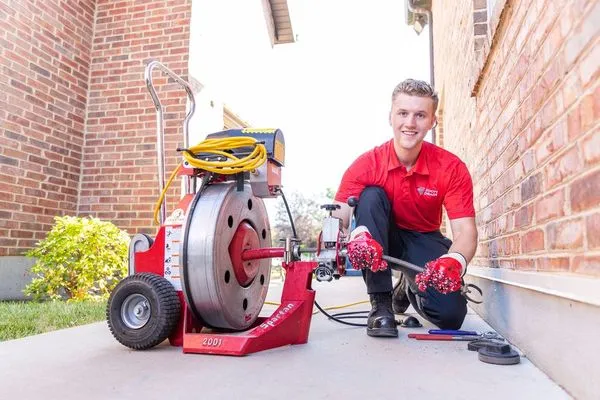
Zoom Drain in Powell, OH, is your local specialist for resolving stubborn drain and sewer issues. Our fully equipped service trucks arrive prepared for anything, featuring advanced video inspection te...

Flush Drains & JFM Excavations has been serving Columbus, OH, for over 20 years as a trusted plumbing and excavation contractor. We provide reliable, professional services at reasonable rates, special...

Mid City Property Pros is a Columbus-based home service company specializing in handyman, electrical, and plumbing work. We help local homeowners with repairs, installations, and maintenance, from fix...

Handyman 24 7 is a full-service home maintenance and repair company serving Columbus, OH, and surrounding areas. We provide a comprehensive range of solutions, from simple handyman tasks like furnitur...
Apex Plumbing, Heating, and Air Pros
Apex Plumbing, Heating, and Air Pros is Dublin's trusted local provider for comprehensive home comfort and plumbing solutions. We specialize in HVAC installation, repair, and maintenance to keep your ...
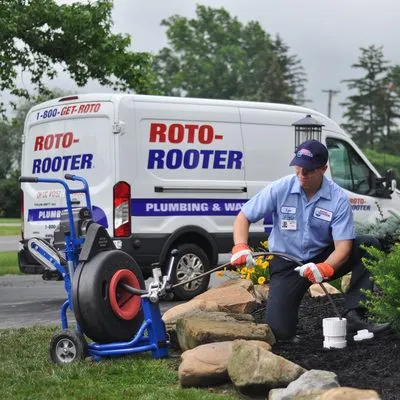
Roto-Rooter Plumbing & Water Cleanup
For over 85 years, Roto-Rooter has been the trusted name for plumbing and water cleanup in Columbus, OH. We are a locally operated team of licensed, background-checked professionals who understand the...
Hesson Plumbing is a family-owned and operated business proudly serving Canal Winchester and the surrounding communities since 1999. Founded and managed by David Hesson, whose plumbing journey began u...
At Greene's Plumbing Service in Columbus, OH, we believe if a job's worth doing, it's worth doing right. That commitment to quality is the foundation of every repair and installation we handle for our...
Estimated Plumbing Costs in Buckeye Lake, OH
Questions and Answers
Do I need a permit to replace my water heater in Licking County?
Yes, Licking County Building Department requires a permit for water heater replacement. As a Master Plumber licensed by the Ohio Construction Industry Licensing Board, I pull that permit, schedule the inspection, and ensure the installation meets all current code for venting, pressure relief, and seismic straps. My crew handles that red tape so you don't have to navigate it, and the inspection provides you with a documented record of the work.
How long does it take a plumber to get to my house in Buckeye Lake?
For a local pro, plan on a 45 to 60 minute dispatch. Our typical route heads past Buckeye Lake State Park to catch I-70, which gets us into most neighborhoods efficiently. We factor in local traffic and the specific location of your home off the main routes. A clear description of your nearest cross street helps us shave minutes off that window.
What's the most important spring plumbing task for a Buckeye Lake home?
Disconnect and drain your outdoor hose bibs before the first hard freeze, but the pro-tip for our temperate springs is to check your main water shut-off valve. The freeze-thaw cycles we get down to about 20 degrees can cause ground movement that stresses the valve. Ensuring it turns freely in March prevents a crisis if you need to use it later. A seized valve is a common spring discovery.
My copper pipes in Buckeye Lake are original to my 1976 house. Should I be worried?
Yes, you should be planning. Those pipes are now 50 years old. Copper from that era, especially in our area's hard water, is reaching the end of its typical service life. Homeowners in Buckeye Lake Village are now seeing pinhole leaks and failing joints more frequently. This isn't an immediate panic, but it is a strong signal to start budgeting for a repipe or to have a thorough video inspection of your lines.
I'm on a well and septic system near Buckeye Lake. What's different for me?
Your system is self-contained. Pressure from the well pump needs to be monitored and adjusted; constant high pressure stresses every fixture and joint. For the septic, the key is preventing solids from entering the drain field. We recommend septic-specific toilet paper and avoiding garbage disposals. The health of your entire system depends on the soil's ability to percolate, which our local terrain directly impacts.
Does Buckeye Lake's hard water damage my water heater?
Absolutely. The same minerals that build up in your pipes settle as scale in the bottom of your water heater's tank. This sediment acts as an insulator, forcing the heater to work harder and longer, which dramatically shortens its lifespan. For electric models, scale can also coat and destroy the lower heating element. An annual flush is critical here, more so than in areas with soft water.
Why do my copper pipes keep springing pinhole leaks?
Pinhole leaks in 50-year-old copper are often caused by internal corrosion from decades of hard water flow. The mineral scale in our water creates a corrosive environment that eventually wears through the pipe wall. This process accelerates at joints and fittings. It's a systemic issue for homes of this vintage around Buckeye Lake, and spot repairs often just move the problem to the next weak spot.
Could my home's location near the lake be causing sewer problems?
The low-lying, often damp soil around Buckeye Lake State Park and surrounding areas puts constant, uneven pressure on buried sewer lines. This can cause the pipe to settle or develop a belly where waste collects, leading to chronic clogs. It also increases the risk of root intrusion from moisture-seeking trees. If you have recurring drain issues, the terrain is likely a contributing factor that needs a camera diagnosis.
