Top Emergency Plumbers in Brookfield, OH, 44403 | Compare & Call

There are 104 plumbing companies server in Brookfield OH
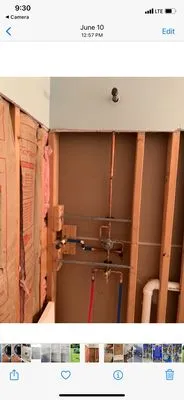
Advanced Plumbing in Austintown, OH, is a trusted local plumbing service provider dedicated to helping homeowners and businesses with a wide range of plumbing needs. From routine installations and rep...
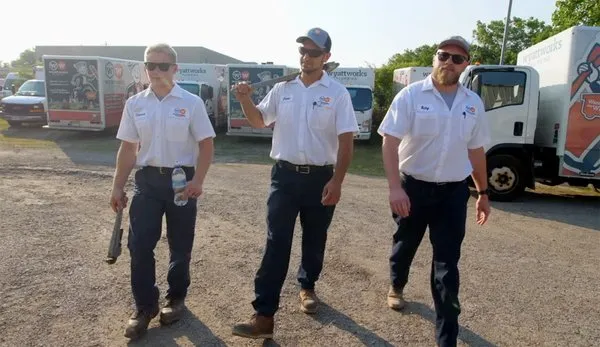
WyattWorks Plumbing
WyattWorks Plumbing has been serving Seven Hills, OH, since 1980, providing reliable plumbing solutions for homeowners. Specializing in hydro-jetting, water heater services, drain cleaning, and trench...
Mc Phillips Plumbing Heating & Air Conditioning
Mc Phillips Plumbing Heating & Air Conditioning has been a trusted Cleveland institution since 1907, operating as a family-owned business that has grown from its plumbing roots to become a full-servic...
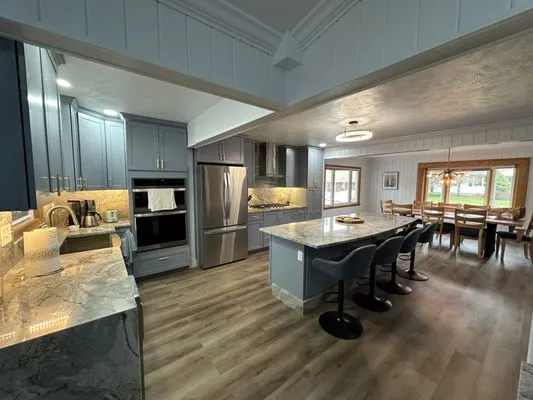
Lakeview Construction is a Cleveland-based building and remodeling contractor dedicated to transforming local homes. We handle projects of all sizes, from comprehensive ground-up construction—includin...
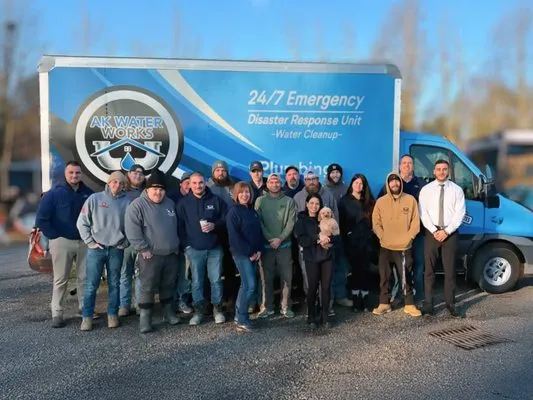
AK Water Works Plumbing & Drain
AK Water Works Plumbing & Drain is a family-owned, locally-operated plumbing company dedicated to serving Warren, OH, and the surrounding communities. We understand that plumbing problems are more tha...

R & R Mechanical is a Cleveland-based, MBE & EDGE certified mechanical services provider founded in 1986. With a team of licensed and insured plumbers boasting over a century of combined experience, t...

Plunger Plumber is a family-owned and operated plumbing service based in Cleveland, Ohio, with over two decades of experience serving Northeast Ohio. We provide a comprehensive range of residential an...
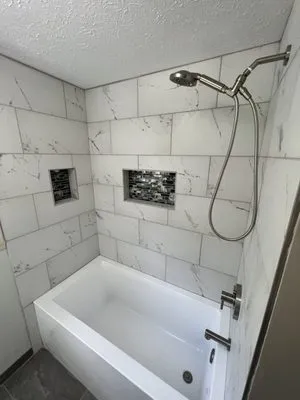
LM Home Improvement & Renovation LLC is a Norton-based contractor dedicated to transforming homes throughout the community. We specialize in comprehensive interior remodeling, with a strong focus on b...
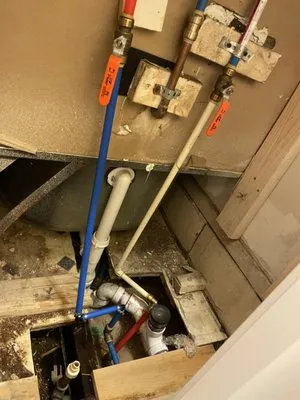
Lehman Drain & Septic
Lehman Drain & Septic is a family-owned plumbing and septic service company serving Hartville, OH, and the surrounding Stark, Portage, and Summit counties. With over 20 years of experience, owner Bran...
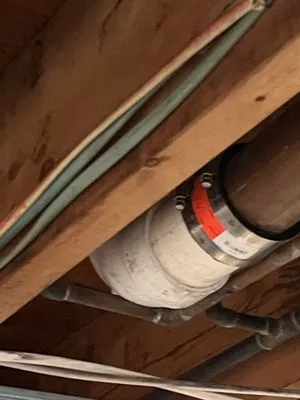
A to Z Dependable Services
A to Z Dependable Services is a trusted, family-owned plumbing and HVAC provider serving the Niles community and the wider Mahoning Valley. With over six decades of industry experience and under the o...
Estimated Plumbing Costs in Brookfield, OH
FAQs
How fast can a plumber get to my house in Brookfield if I have a burst pipe?
From our shop near Yankee Lake, the dispatch route runs straight down State Route 82 into Brookfield Center. Under normal conditions, that's a reliable 30 to 45 minute drive. We know the back roads if traffic is heavy, but in a true emergency like a major leak, we advise homeowners to locate their main water shut-off valve immediately while we're en route.
Do I need a permit to replace the plumbing in my Brookfield home?
Most plumbing replacements, especially a full repipe, require a permit from the Trumbull County Building Inspection Department. As a Master Plumber licensed by the Ohio Construction Industry Licensing Board, I pull those permits, schedule the required inspections, and ensure the work meets all current codes. Handling that red tape is part of the job, so you don't have to navigate it yourself.
What's the most important thing to do for my plumbing before winter in the Snow Belt?
Disconnect and drain your garden hoses before the first hard freeze. A forgotten hose allows trapped water to freeze and back up into the faucet and the interior supply line, splitting the pipe inside your wall. It's a simple, five-minute task that prevents one of the most common and costly freeze-related calls we get after temperatures drop to the teens.
Why is my water pressure so low in my older Brookfield home?
Galvanized steel pipe from the 1950s corrodes from the inside out. Over decades, rust and mineral scale accumulate until the pipe's interior diameter is reduced to a pinhole. This calcification, especially at the threaded joints, chokes off water flow. You can't clean it out; the pipe itself has become the restriction and requires replacement.
My Brookfield Center house was built in the late 50s. Should I be worried about my plumbing?
Houses built around 1957 are now approaching 70 years old. In Brookfield, that means the original galvanized steel water lines have likely reached the end of their service life. Homeowners here commonly see heavily restricted water flow from internal rust and scale buildup, followed by pinhole leaks appearing in walls or basements. It's not a matter of if, but when these pipes will fail completely.
Could the flat land around here cause drainage problems for my house?
The relatively plain terrain means storm water has nowhere to go but down. During heavy rain or rapid spring thaw, saturated soil around foundations in low-lying areas near Yankee Lake can put hydrostatic pressure on basement walls and floor drains. It also shifts the ground, which can stress and misalign the main sewer line running from your house to the street, leading to backups or breaks.
I'm on a well and septic system in rural Brookfield. What should I watch for?
Monitor your well pressure tank for short-cycling, which can indicate a failing bladder or a leak in the system. For the septic, have the tank pumped and inspected every three to five years. Avoid putting grease or chemical drain cleaners into the system, as they can kill the essential bacteria in the drain field. A failed septic is a major repair, so proactive maintenance is key.
Does the hard water in Brookfield damage my appliances?
Yes, significantly. The mineral content from the Mahoning River watershed leads to rapid scale buildup. Inside a water heater, this insulating layer forces the unit to work harder, shortening its lifespan and raising energy costs. On fixtures and showerheads, the scale clogs aerators and valve cartridges, causing drips and reduced performance much sooner than with soft water.
