Top Emergency Plumbers in Brookfield Center, OH, 44403 | Compare & Call

There are 105 plumbing companies server in Brookfield Center OH
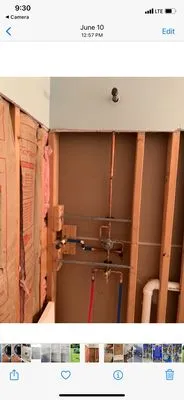
Advanced Plumbing in Austintown, OH, is a trusted local plumbing service provider dedicated to helping homeowners and businesses with a wide range of plumbing needs. From routine installations and rep...
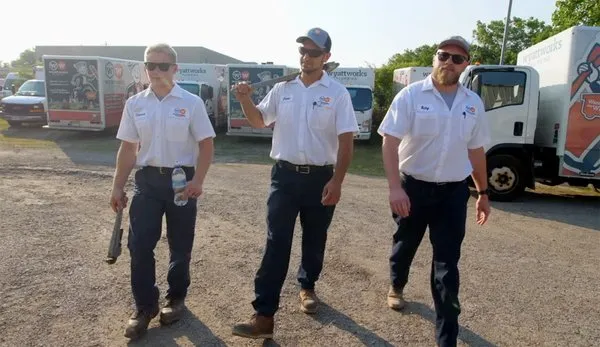
WyattWorks Plumbing
WyattWorks Plumbing has been serving Seven Hills, OH, since 1980, providing reliable plumbing solutions for homeowners. Specializing in hydro-jetting, water heater services, drain cleaning, and trench...
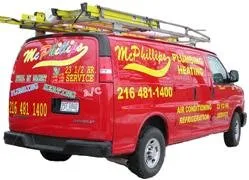
Mc Phillips Plumbing Heating & Air Conditioning
Mc Phillips Plumbing Heating & Air Conditioning has been a trusted Cleveland institution since 1907, operating as a family-owned business that has grown from its plumbing roots to become a full-servic...
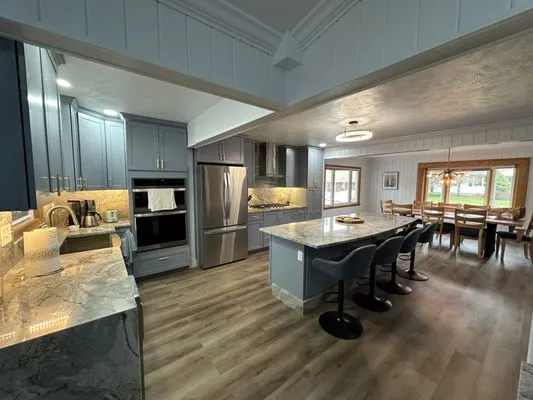
Lakeview Construction is a Cleveland-based building and remodeling contractor dedicated to transforming local homes. We handle projects of all sizes, from comprehensive ground-up construction—includin...
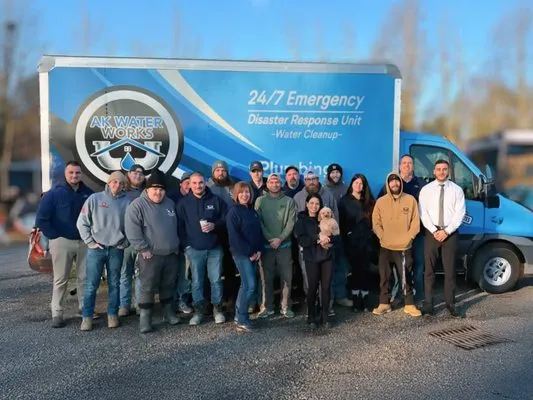
AK Water Works Plumbing & Drain
AK Water Works Plumbing & Drain is a family-owned, locally-operated plumbing company dedicated to serving Warren, OH, and the surrounding communities. We understand that plumbing problems are more tha...

R & R Mechanical is a Cleveland-based, MBE & EDGE certified mechanical services provider founded in 1986. With a team of licensed and insured plumbers boasting over a century of combined experience, t...

Plunger Plumber is a family-owned and operated plumbing service based in Cleveland, Ohio, with over two decades of experience serving Northeast Ohio. We provide a comprehensive range of residential an...
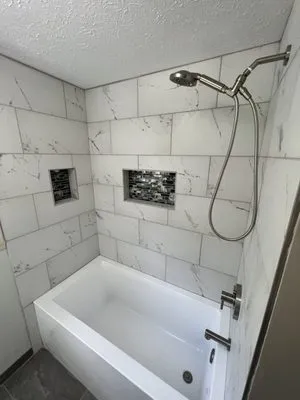
LM Home Improvement & Renovation LLC is a Norton-based contractor dedicated to transforming homes throughout the community. We specialize in comprehensive interior remodeling, with a strong focus on b...
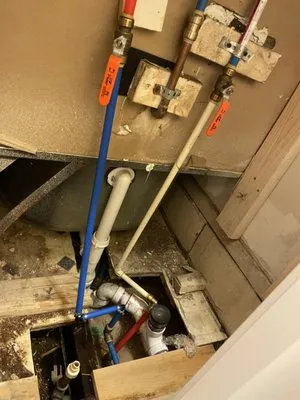
Lehman Drain & Septic
Lehman Drain & Septic is a family-owned plumbing and septic service company serving Hartville, OH, and the surrounding Stark, Portage, and Summit counties. With over 20 years of experience, owner Bran...
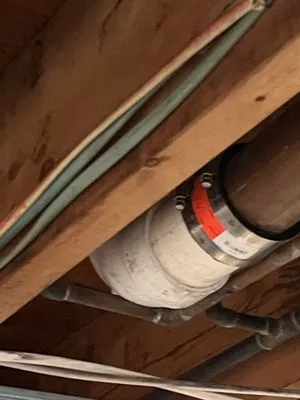
A to Z Dependable Services
A to Z Dependable Services is a trusted, family-owned plumbing and HVAC provider serving the Niles community and the wider Mahoning Valley. With over six decades of industry experience and under the o...
Estimated Plumbing Costs in Brookfield Center, OH
Q&A
What's one thing I should do before spring to avoid a plumbing disaster?
Before the spring thaw hits its peak, disconnect and drain your garden hoses. A hose left connected traps water in the exterior faucet and supply line. When overnight temps still dip to 18 degrees, that trapped water freezes, expands, and can split the pipe inside your wall. It's a simple five-minute task that prevents a costly repair when that ice finally melts and water flows into your basement or crawlspace.
My house was built in the late 1950s. What's the most common plumbing problem I should expect?
Galvanized steel from that period fails in a specific way. The interior walls rust and accumulate mineral scale from our hard water, severely restricting flow. Eventually, the pipe walls thin and develop pinhole leaks, often at threaded joints. You might notice a small drip that suddenly becomes a spray from a wall or ceiling. Complete blockages are also common, as a 70-year-old pipe's internal diameter can be reduced to the size of a pencil.
Does the hard water from the Shenango River damage my appliances?
Yes, it accelerates wear. Water from the Shenango carries high mineral content. As it heats in your water heater or passes through fixtures, those minerals precipitate out as hard scale. In a water heater, this scale blankets the heating elements or gas burner, forcing it to work harder and fail sooner. On faucet cartridges and shower valves, the abrasive scale grinds away seals, leading to drips and handle stiffness.
How long does it take for a plumber to get to Brookfield Center for an emergency?
From our base near Yankee Lake, we head east on State Route 82 straight into Brookfield Center. That route typically puts us on your property in 30 to 45 minutes. We monitor traffic and weather, especially in the Snow Belt, to give you a firm window. Our dispatch will call you when we're passing Yankee Lake so you know we're minutes out.
Why are so many houses in Brookfield Center getting plumbing leaks lately?
Homes built here around 1957 are now pushing 70 years old. For plumbing, that's a critical age. The original galvanized steel pipes, common for that era, are reaching the end of their service life. The zinc coating has worn away, and the underlying steel is corroding from the inside out. What you're seeing now is the cumulative effect: widespread pinhole leaks, low water pressure from severe internal rust, and total pipe failures.
Are plumbing issues different for homes on well water in this area?
They introduce specific concerns. A well system relies on a pressure tank, pump, and associated controls. The hard water leads to rapid scale buildup on the pump's foot valve and inside the pressure tank's bladder, affecting performance. You might hear short-cycling or notice pressure fluctuations. For septic systems, avoiding chemical drain cleaners is crucial, as they can kill the bacteria needed for waste breakdown in your drain field.
Do I need a permit to replace my water heater or repipe my house?
Most major plumbing work in Trumbull County requires a permit from the Building Inspection Department. As a Master Plumber licensed by the Ohio Construction Industry Licensing Board, I pull those permits, schedule the required inspections, and ensure the work meets all current code. This handles the red tape for you and provides an official record for your home, which is valuable for insurance and future resale.
Could the flat land around here be causing my slow drains?
It can contribute. The relatively plain terrain around Brookfield Center means drainage systems lack natural, gravity-assisted pitch. Over decades, this can allow sediment and scale to settle in your main sewer line instead of being swiftly carried away. That gradual buildup eventually causes recurrent slow drains and backups. It also means a compromised main line might not show symptoms until it's nearly completely blocked.
