Top Emergency Plumbers in Brilliant, OH, 43913 | Compare & Call

There are 29 plumbing companies server in Brilliant OH
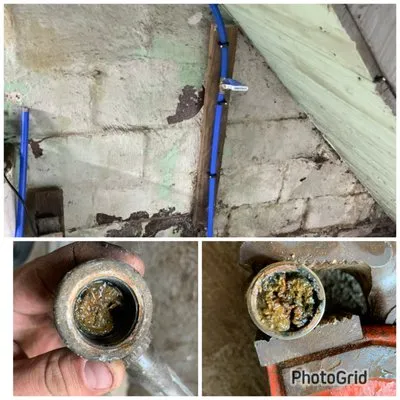
For over eight years, I've dedicated myself to the plumbing trade in the Upper Ohio Valley. What began as helping friends and neighbors with side jobs grew so consistently that by 2019, I made the dec...
Mr. Rooter Plumbing of Weirton
Mr. Rooter Plumbing of Weirton is a locally-owned plumbing service led by Master Plumber Bob Beall, who brings approximately 30 years of experience to every job. Despite facing personal challenges, in...
Cipoletti Plumbing
Cipoletti Plumbing is a trusted, full-service plumbing company serving Wellsburg, WV, and the surrounding areas. We specialize in addressing the common plumbing challenges faced by local homeowners, s...

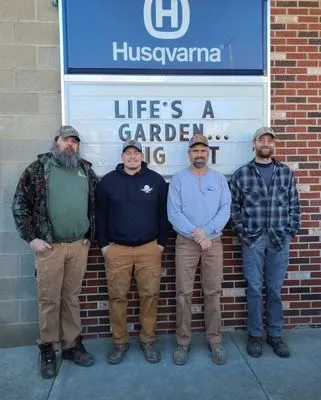
Hybrid Enterprises is a Weirton-based, full-service contractor formed in 2016 by a team of 20 skilled professionals. We bring together expertise in landscaping, hardscaping, construction, and home sys...

Gurrera Plumbing has been a trusted name in Weirton and the surrounding communities since 2013. As a fully licensed plumbing contractor, we specialize in providing comprehensive residential and commer...
City Plumbing Heating & Supply is your trusted local plumbing expert in Wellsburg, WV, dedicated to keeping homes and businesses running smoothly. We specialize in thorough plumbing inspections to ide...

Since 1951, Ohio Valley Septic has been a trusted, family-owned provider of septic and plumbing services for residents and businesses in Wellsburg and across the Tri-State area. Our licensed and fully...
Cipoletti Thomas M provides trusted plumbing services for homeowners in Wellsburg, WV. We specialize in thorough plumbing inspections, a critical service for identifying and preventing the common loca...

R & R Mechanical is a Cleveland-based, MBE & EDGE certified mechanical services provider founded in 1986. With a team of licensed and insured plumbers boasting over a century of combined experience, t...
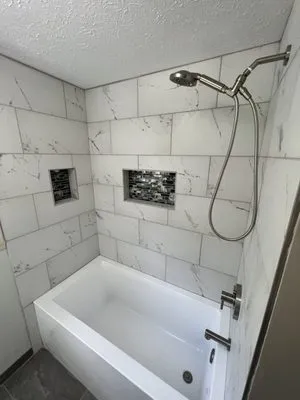
LM Home Improvement & Renovation LLC is a Norton-based contractor dedicated to transforming homes throughout the community. We specialize in comprehensive interior remodeling, with a strong focus on b...
Estimated Plumbing Costs in Brilliant, OH
Q&A
As a rural homeowner, what should I know about my well and septic system?
Your well pump and pressure tank are your private water utility. Hard water leads to scale buildup on pump components, reducing efficiency. For septic systems, the hilly terrain requires proper grading to prevent runoff from saturating the drain field. Regular inspections and pumping every 3-5 years are non-negotiable here, as a failed system is a major repair.
What permits are needed for a repipe in Jefferson County?
Any replacement of the main water supply line or major alteration to the home's drainage system typically requires a permit from the Jefferson County Building Department. As a master plumber licensed by the Ohio Construction Industry Licensing Board, I handle pulling those permits and scheduling inspections. My credentials ensure the work meets code, so you don't have to navigate the red tape yourself.
Why are so many houses in Brilliant having plumbing problems right now?
Most of the original galvanized steel water lines in Wells Township were installed around 1948, which means they are now 78 years old. At this age, the interior zinc coating has long since worn away, leaving the bare iron pipe exposed to decades of corrosion. Homeowners here are seeing a wave of failures, from sudden pinhole leaks to a complete loss of water pressure as the pipes close up from scale. It's a predictable lifecycle issue for houses built in this era.
Could the hilly property around here be damaging my sewer line?
Absolutely. The steep slopes in Wells Township put constant, uneven stress on buried main sewer lines. Over decades, this can cause sections to settle, sag, or even separate at the joints. Soil shifting from freeze-thaw cycles along the Ohio River bluffs exacerbates the problem, often leading to slow drains, blockages, and eventual line failure.
My galvanized pipes are leaking at the joints. What's happening?
Galvanized steel pipes from the late 1940s used threaded fittings. Over 78 years, constant expansion and contraction from temperature changes, combined with internal corrosion, fatigues these threaded connections. The metal becomes brittle, and the threads can no longer hold a seal, leading to leaks at the joints. This calcification and weakening is a primary failure mode for plumbing of this vintage in Brilliant.
What's the best way to prepare my plumbing for a Brilliant winter?
The key is acting before temperatures hit that 21-degree low. Insulate all exposed pipes in crawl spaces or basements, and disconnect and drain outdoor hoses. A pro-tip for our temperate climate is to let a slight drip flow from faucets during the initial spring thaw, not just the deepest freeze. Rapid warming can burst pipes weakened by winter just as easily as the cold itself.
How quickly can a plumber get to my house in Brilliant?
Our typical dispatch route from the shop follows State Route 7 north along the Ohio River. Heading past the river and up into the hills of Wells Township usually takes 45 to 60 minutes, depending on traffic and the specific location of your home. We build that travel time into our scheduling to give you an accurate arrival window.
Does the Ohio River water cause issues with my water heater?
Yes, the hard water common to our area, sourced from the Ohio River watershed, accelerates scale buildup. Inside your water heater, minerals precipitate out and form a thick, insulating layer of sediment at the bottom of the tank. This makes the heater work harder, drastically shortens its lifespan, and can lead to premature failure of the lower heating element.
