Top Emergency Plumbers in Bath, OH, 45324 | Compare & Call

There are 240 plumbing companies server in Bath OH

ExpertPipe Rooter is a family-owned plumbing service based in Cleveland, OH, dedicated to providing reliable and transparent solutions for residential plumbing needs. We specialize in a comprehensive ...
Sal's Heating & Cooling, Plumbing & Sewer
Sal's Heating & Cooling, Plumbing & Sewer has been serving North Royalton and surrounding communities since 1975. Founded by Sal Sidoti Sr. and now led by his son Sal Sidoti, this family-owned busines...
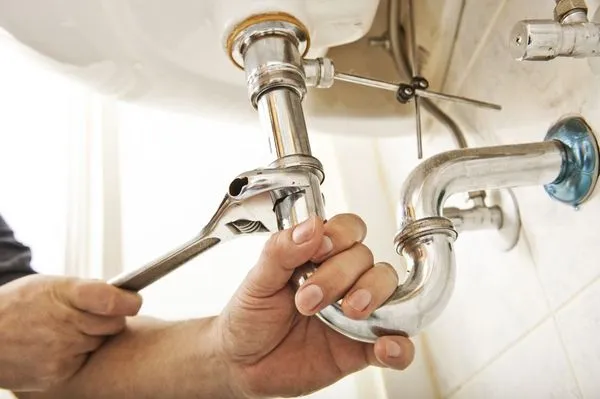
CS Sewer Drain and Plumbing is a trusted, family-owned plumbing service proudly serving North Ridgeville and the surrounding Northeast Ohio communities. With over 75 years of combined hands-on experie...
1-800-Plumber +Air
1-800-Plumber +Air of Valley View is your locally owned and operated plumbing and HVAC partner, backed by the resources of a trusted national brand. We're a family business serving our neighbors with ...
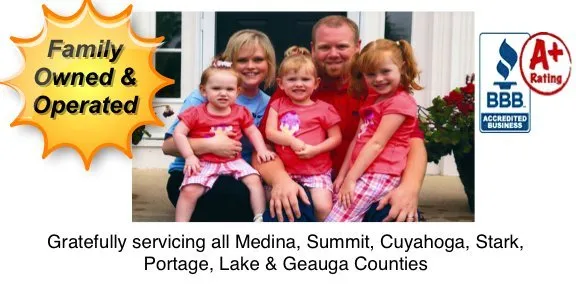
Plumbing 911 is a family-owned and operated plumbing service serving Akron and Northeast Ohio since 2010. Founded by Master Plumber Keith Miller and his wife Karen, the business is built on a simple p...
Action Plumbing is a trusted local plumbing service in Broadview Heights, OH, with a deep-rooted family history in the trade. As a fourth-generation licensed plumber, we bring over 30 years of hands-o...
Your Home Handyman in Cuyahoga Falls is your local, trusted expert for plumbing and electrical projects. With roots in the community dating back to the 1970s, I began my career as a plumber's helper, ...
Jennings Heating, Cooling, Plumbing & Electric
Jennings Heating, Cooling, Plumbing & Electric has been a trusted home services provider in Akron since 1931. Originally founded by the Jennings brothers, the company has grown from a coal supplier in...
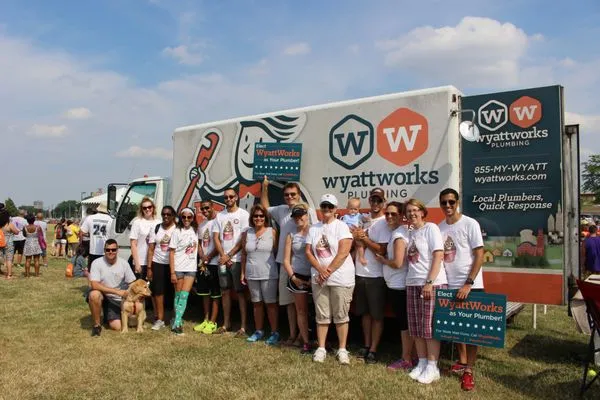
WyattWorks Plumbing
For over 35 years, WyattWorks Plumbing has been a trusted family name in Wickliffe and across Northeast Ohio. Founded by Andy Wyatt with a single pickup truck, the business is now a true family endeav...
Cle Plumbing Sewer and Drain
CLE Plumbing & Maintenance is a family-owned and operated business serving Shaker Heights and the Greater Cleveland area since 2014. Founded by Joshua, the company is built on over a decade of industr...
Estimated Plumbing Costs in Bath, OH
Q&A
Can the hilly land around Bath Nature Preserve cause plumbing problems?
The sloping terrain common in our area directly stresses main sewer lines and drainage systems. Gravity pulls wastewater downhill, but the soil shift on hills can cause settling and misalignment at pipe joints over time. For homes built on slopes, we often find that the main sewer lateral has developed a low spot or a belly, which leads to recurrent clogs and requires professional jetting or repair.
Why are my 1970s copper pipes suddenly springing pinhole leaks?
Copper pipe from that era often develops pinhole leaks due to a combination of age and local water chemistry. After nearly five decades, the protective inner oxide layer can break down, allowing aggressive elements in the water to erode the metal. We find these leaks most commonly at solder joints and where pipes are secured with metal hangers, as these are points of electrochemical stress.
As a suburban Bath homeowner, what are my main plumbing system concerns?
Your primary concerns are the municipal water pressure and the sewer lateral running from your house to the main street line. Pressure fluctuations can stress old fittings, while tree roots seeking moisture are a constant threat to the lateral, even in newer subdivisions. It's wise to know the location of your main water shutoff valve and to have the sewer line scoped every few years as a preventive check.
How long does it take for a plumber to get to my house in Bath?
From our shop near Bath Nature Preserve, the dispatch route is straightforward. Heading past the preserve to I-77 gives us direct access to most of the township. Barring major traffic, we can typically be on-site within 20 to 30 minutes. We factor in local road conditions and weather when giving an ETA.
My home in Bath was built around 1978. What kind of plumbing issues should I be watching for now?
Copper pipe installed in 1978 is now 48 years old. In Bath Center, we're consistently seeing pinhole leaks in the hot water lines, especially where pipes run through unconditioned spaces like crawl spaces. The copper has thinned from decades of internal water flow and external temperature changes. This is the typical failure window, so checking for green corrosion spots or small drips is a good preventive measure.
What's the most important winter plumbing tip for living in the Snow Belt?
Preventing frozen pipes is critical with our average lows near 19°F. The pro-tip is to disconnect and drain your garden hoses before the first hard freeze, and shut off the interior valve to those outdoor spigots. A burst outdoor faucet is one of the most common emergency calls during a thaw. Insulating pipes in unheated garages or crawl spaces is also essential.
Does Akron's hard water damage my home's plumbing fixtures?
Yes, the mineral content in the City of Akron water supply leads to significant scale buildup. This calcium carbonate accumulation is most destructive inside water heaters, reducing efficiency and lifespan, and on faucet aerators and showerheads, restricting flow. Installing a whole-house water softener is the most effective defense to protect appliances and maintain water pressure.
Do I need a permit from Bath Township to replace my water heater?
Yes, Bath Township Zoning and Building Department requires a permit for water heater replacement. As a Master Plumber licensed by the Ohio Construction Industry Licensing Board, I handle pulling that permit, scheduling the inspection, and ensuring the installation meets all current code for pressure relief valves and seismic straps. Managing this red tape is a standard part of the job for you.
