Top Emergency Plumbers in Barlow, OH, 45712 | Compare & Call

There are 14 plumbing companies server in Barlow OH
Royal Heating and Cooling
Royal Heating and Cooling is a trusted, family-owned HVAC, plumbing, and electrical company serving Mineral Wells, WV. We believe in honest, dependable service, treating every customer like a neighbor...
Contractor Services
Contractor Services in Waterford, OH provides comprehensive home improvement solutions, specializing in plumbing, HVAC, and remodeling. Our services include bathroom and kitchen remodeling, bathtub an...
B & R Trade Craft is a trusted, full-service contracting company serving McConnelsville and the surrounding Ohio communities. We specialize in transforming homes through expert bathroom remodeling, bu...
TrueBlu Plumbing is a veteran-owned plumbing company serving Athens, OH and surrounding Southern Ohio communities. Founded by an Army veteran and local homeowner who saw a need for reliable, honest pl...
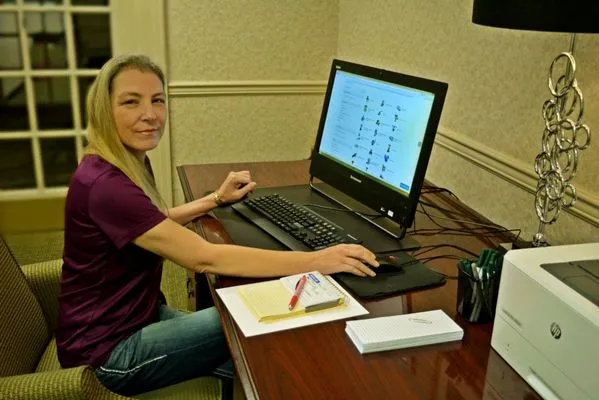
Athens Plumbing And Drain Cleaning is your local, owner-operated plumbing service in Athens, OH, led by a professional with over 17 years of hands-on experience. When you call, you speak directly with...
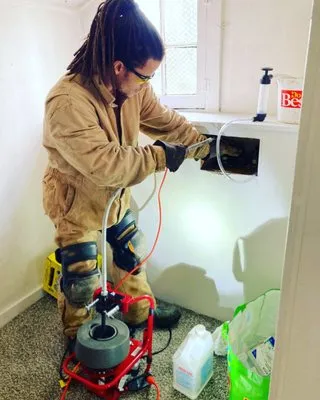
George's Drains is a trusted plumbing service provider based in Long Bottom, OH, dedicated to keeping local homes and businesses running smoothly. We specialize in a wide range of services including d...
Rivertown Drain & Sewer is your trusted local plumbing and drain service provider in Belpre, OH. We specialize in addressing the specific plumbing challenges faced by homeowners in our area, such as a...
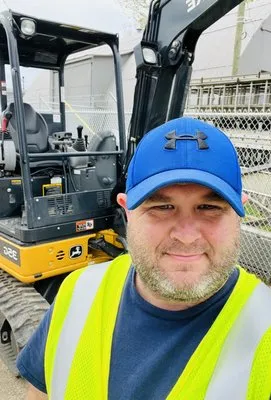
Mongoose Plumbing is your trusted, full-service plumbing company in Coolville, OH. We specialize in everything from faucet and toilet repairs to complete water heater and gas line installations. Our t...
Brads Plumbing and Drain Cleaning is your trusted local plumbing expert serving Little Hocking, OH. We specialize in addressing the specific plumbing challenges faced by homeowners in our community, s...

Home Solutions
Home Solutions is your trusted local contractor serving Belpre, OH, and the surrounding communities. We specialize in a comprehensive range of home repair and maintenance services, from essential plum...
Estimated Plumbing Costs in Barlow, OH
Frequently Asked Questions
How quickly can a plumber get to my house out here?
A local dispatch route often starts near the Barlow Fairgrounds. From there, heading out on State Route 339 gives access to most of the township. Under normal conditions, we plan for a 45 to 60 minute response, but heavy traffic from the fair or weather can add to that. It's a good reason to call at the first sign of a small drip.
Does having a private well mean I'll have more plumbing issues?
Private wells here draw from groundwater with high mineral content, which creates hard water. That scale builds up inside pipes, water heaters, and fixtures, reducing flow and efficiency. Without municipal water treatment, your water heater's anode rod depletes faster and scale can seize up cartridge valves in faucets. Installing a whole-house water softener is the most effective long-term protection for your plumbing.
Why are my pipes in Barlow suddenly starting to leak?
Your copper plumbing is 48 years old this year, installed when the area was being developed around 1978. Copper pipe from that era has a typical lifespan of 40 to 50 years. Homeowners in Barlow Township Center are now seeing a wave of pinhole leaks and joint failures due to decades of water chemistry and natural wear. The metal simply gets thinner and more brittle over time.
Do I need a permit to replace a water heater or repipe my house?
Yes, Washington County Building Department requires permits for water heater replacements and any major repiping. As a Master Plumber licensed by the Ohio Construction Industry Licensing Board, I handle pulling the permit, scheduling the inspection, and ensuring the work meets all current code. This manages the red tape for you and guarantees the installation is documented and legal for your home's records.
What's the most important seasonal plumbing tip for Barlow's weather?
Our temperate climate means the biggest risk is the spring thaw, when nights can still drop near 21°F. A pro-tip is to disconnect and drain your garden hoses in late fall and shut off the interior valve to exterior spigots. This prevents a single overnight freeze from splitting a faucet or pipe in the wall, which often goes unnoticed until a major leak develops during the thaw.
Are septic and well systems harder to maintain than city utilities?
Rural systems require more proactive ownership. A septic tank needs pumping every 3-5 years depending on use, and the leach field's performance is tied to the soil drainage on your lot. For the well, the pressure tank and pump control switch are your responsibility. A sudden drop in water pressure often points to a failing well pump or a waterlogged pressure tank, not a municipal outage.
Can the hilly land around here cause plumbing problems?
Yes, the hilly terrain, like the slopes near Barlow Fairgrounds, puts constant stress on the main water line from your well to the house. Settlement and ground shift over decades can strain or even separate buried pipes. It also complicates drainage; if your home is on a slope, footing drains and sump pumps are critical to keep groundwater from backing up into your basement through the floor drain.
What's the most common plumbing problem in older Barlow homes?
We see consistent failures in the soldered joints of 1970s copper systems. Hard water scaling accelerates galvanic corrosion where copper meets brass or steel, like at valve connections. This leads to joint calcification and pinhole leaks, especially on hot water lines. Re-piping sections or installing dielectric unions at appliance connections are common fixes.
