Top Emergency Plumbers in Baltimore, OH, 43105 | Compare & Call

There are 153 plumbing companies server in Baltimore OH

Buckeye Plumbing & Drains is your local, licensed plumbing and septic expert serving Orient and the surrounding central Ohio communities. We know plumbing problems are stressful, which is why our appr...

XCEL Plumbing & Drains is a locally owned and operated plumbing service dedicated to serving the residents of Columbus, Ohio. We understand that plumbing problems can disrupt your home and your day. O...
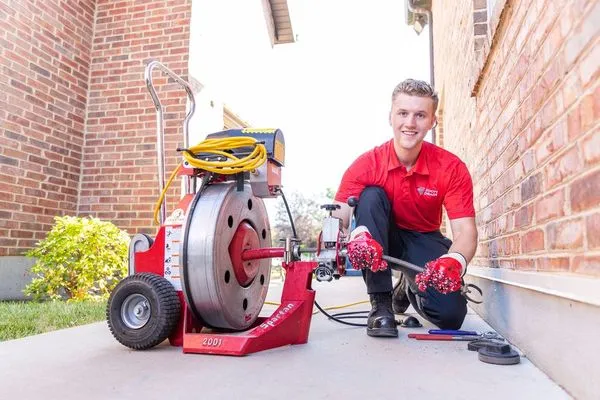
Zoom Drain in Powell, OH, is your local specialist for resolving stubborn drain and sewer issues. Our fully equipped service trucks arrive prepared for anything, featuring advanced video inspection te...

Flush Drains & JFM Excavations has been serving Columbus, OH, for over 20 years as a trusted plumbing and excavation contractor. We provide reliable, professional services at reasonable rates, special...
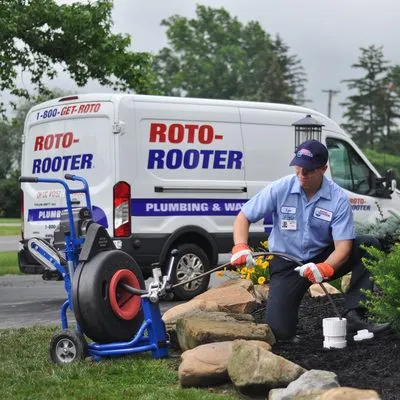
Roto-Rooter Plumbing & Water Cleanup
Roto-Rooter Plumbing & Water Cleanup in Columbus, OH is your local, 24/7 partner for plumbing and restoration needs. Our fully staffed team of dependable and friendly plumbers is ready to help homeown...

Mid City Property Pros is a Columbus-based home service company specializing in handyman, electrical, and plumbing work. We help local homeowners with repairs, installations, and maintenance, from fix...

Handyman 24 7 is a full-service home maintenance and repair company serving Columbus, OH, and surrounding areas. We provide a comprehensive range of solutions, from simple handyman tasks like furnitur...
Roto-Rooter Plumbing & Water Cleanup
For over 85 years, Roto-Rooter has been the trusted name for plumbing and water cleanup in Columbus, OH. We are a locally operated team of licensed, background-checked professionals who understand the...
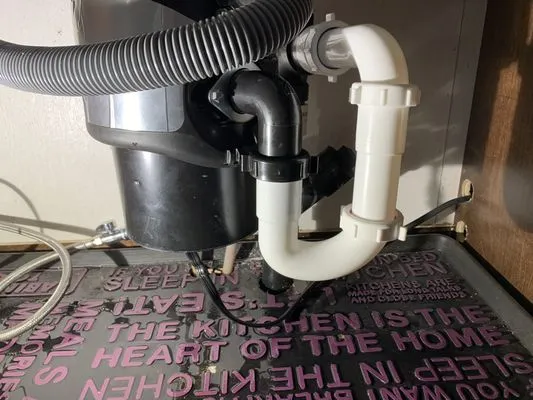
Plumbing One is a trusted, family-owned plumbing company serving Pickerington and the surrounding region. Founded in 2008 by Master Plumber Donn Ogilvie, the business started with a single van and has...
At Greene's Plumbing Service in Columbus, OH, we believe if a job's worth doing, it's worth doing right. That commitment to quality is the foundation of every repair and installation we handle for our...
Estimated Plumbing Costs in Baltimore, OH
FAQs
Could the lay of the land near Johnson Park be causing my drainage issues?
Baltimore's low-lying terrain means many properties have naturally high water tables, especially near parkland. This constant moisture in the soil puts hydrostatic pressure on underground sewer lines and can lead to joint infiltration or pipe floatation over time. If your home is on a slope, surface water runoff can also overwhelm perimeter drains, making a properly graded and maintained drainage system critical.
What's one thing I should do before spring to avoid a plumbing emergency?
Insulate any exposed water lines in crawl spaces or your garage before the last hard freeze, even though our lows typically hit around 20°F. The spring thaw is a peak period for leaks because ground shifting and increased water pressure from melting soil stress already-weakened pipes. A proactive inspection of your main water line and pressure regulator can catch a small issue before the thaw turns it into a major leak.
Are there special plumbing considerations for a rural home like mine outside the village?
Rural plumbing here revolves around your private well and septic system. Well pump pressure switches and tanks require specific maintenance, and septic field health is directly tied to what goes down your drains. Unlike a municipal system, a failure in either component means you have no water or wastewater service, so using septic-safe products and monitoring your well's pressure are essential homeowner responsibilities.
How long does it take a plumber to get to my house in Baltimore, OH?
From our central dispatch, heading past Johnson Park on State Route 256 is the main route into most neighborhoods. Barring heavy traffic on the 256, a service truck can typically be at your door within 45 to 60 minutes of your call. We plan routes to account for local traffic patterns, so you get an accurate ETA when you schedule.
Why are so many homes in Baltimore Village Center having plumbing problems now?
Most homes built here in 1969 have original galvanized steel plumbing. That material has a typical lifespan of 40 to 60 years. At 57 years old in 2026, these pipes have accumulated decades of internal rust and scale buildup, which drastically reduces water pressure and leads to sudden failures. Homeowners are seeing frequent clogs, discolored water, and leaks that seem to appear out of nowhere as the system reaches its end-of-service life.
What permits do I need for a water heater replacement in Baltimore, and who handles that?
The Village of Baltimore Zoning Department requires a plumbing permit for water heater replacements, which includes an inspection. As a master plumber licensed by the Ohio Construction Industry Licensing Board, I pull those permits and schedule the inspections as part of the job. My credential means the work meets state code, and I handle the red tape so you don't have to navigate village requirements yourself.
My galvanized steel pipes are from 1969. What's the most common type of leak I should expect?
Pinhole leaks from internal corrosion are the signature failure for galvanized steel of this age. The pipe wall thins from the inside out, especially at joints and fittings where turbulence accelerates wear. You'll often find these leaks at threaded connections or in horizontal runs under floors. Once one pinhole appears, others are usually imminent, indicating widespread system degradation.
Does having a private well with hard water damage my plumbing?
Yes, the mineral-heavy water common to Baltimore's private wells accelerates scale buildup inside pipes and appliances. In water heaters, this sediment insulates the heating element, forcing it to work harder and fail prematurely. On fixtures, scale restricts flow and corrodes valve seats. A whole-house water softener is not just for comfort; it's a protective measure for your entire plumbing system's longevity.
