Top Emergency Plumbers in Wilmington, NY, 12997 | Compare & Call

There are 15 plumbing companies server in Wilmington NY
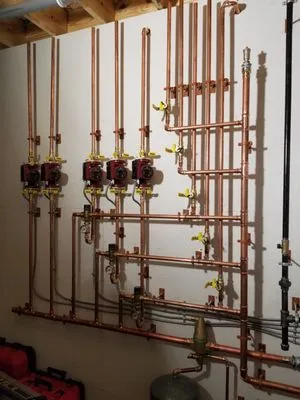
High Peaks Plumbing and Heating
At High Peaks Plumbing and Heating, our foundation is built on the trust we earn from every customer in Queensbury and the surrounding Adirondack region. We understand that plumbing and heating issues...
Northern Plumbing Services is your trusted local plumbing expert serving Dickinson Center, NY, and surrounding areas. We specialize in comprehensive plumbing solutions, including bathtub, drain, fauce...
Mrs. Cobb's Family drain cleaning and plumbing
Mrs. Cobb's Family Drain Cleaning and Plumbing is a trusted, family-operated plumbing service proudly serving Schuyler Falls, NY, and the surrounding communities. We understand the common challenges l...
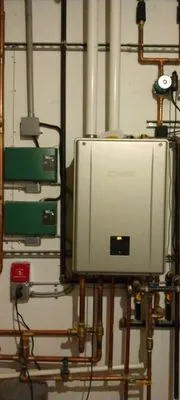
Mountain Mechanical is a trusted plumbing and HVAC service provider serving Saranac Lake, NY, and the surrounding Adirondack region. With expertise in everything from bathtub and drain repairs to HVAC...

Northern Repair & Design brings experienced, professional service to Plattsburgh homeowners with a straightforward and humble approach. We specialize in high-quality installations and expert help for ...
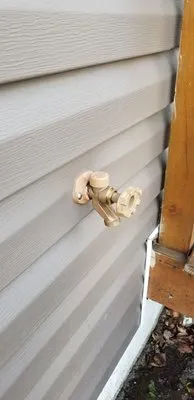
Dave the Plumber is a trusted plumbing service in Lyon Mountain, NY, owned and operated by David Pearce. With over two decades of experience since starting his career in 2000, Dave became a licensed j...
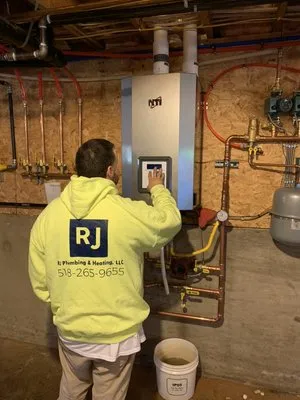
RJ Plumbing and Heating
RJ Plumbing and Heating is a trusted, full-service provider serving the Peru, NY community and surrounding areas. We are a local, family-owned company dedicated to solving your home's plumbing, heatin...

LaFountain Builds is a family-owned professional contracting company rooted in Keeseville, NY, with a commitment to serving the North Country community. Founded by Derek, who has over 0-13:30:30:30. B...

Anthony's Plumbing and Drain Cleaning
Anthony's Plumbing and Drain Cleaning is a licensed and insured plumbing service based in Jay, NY, established in 2012. With over 16 years of experience, Anthony started his business after working as ...

Foley Design Works is your trusted, full-service home improvement partner in West Chazy and the North Country. We bring extensive knowledge in all aspects of construction to every project, from compre...
Estimated Plumbing Costs in Wilmington, NY
Frequently Asked Questions
How long does it take for a plumber to get to my house near Whiteface?
Our dispatch route from the shop heads past Whiteface Mountain on State Route 86. Depending on traffic and weather on the mountain road, we can typically be at your door within 45 to 60 minutes. We monitor conditions closely, as a quick snow squall or summer tourist traffic on Route 86 can add time, so we provide clear ETA updates once we're rolling.
Who handles the permits if I need to replace my water heater or well pump?
Permits for well work or major plumbing alterations are filed with the Town of Wilmington Code Enforcement Office. As a Master Plumber licensed by the New York State Department of State, I pull those permits, schedule the required inspections, and ensure the work meets all current codes. My credentials allow me to handle that red tape directly, so you don't have to navigate the town and state bureaucracy yourself.
What's the most important thing to do with my plumbing before the spring thaw?
Before the spring thaw hits its peak, disconnect any garden hoses and ensure outdoor faucets are fully drained and shut off from inside. A hose left connected traps water in the bib; when nighttime temps still dip near 2°F during the thaw cycle, that water freezes and splits the pipe inside your wall. This simple step prevents one of the most frequent and costly freeze-related calls we get every March.
My water pressure is low and the water is brown. What's happening to my pipes in Wilmington?
Your house was likely plumbed with galvanized steel around 1965, making the pipes about 61 years old in 2026. This material corrodes from the inside out, and you're now at the stage where scale buildup has narrowed the interior diameter to a pinhole. The brown water is rust sediment breaking loose. In Wilmington Center, we're seeing this timeline play out consistently, with sudden pressure drops and leaks at threaded joints being the most common calls.
Are there special plumbing considerations for a rural home here vs. in a town?
The main considerations are your private well and septic system. Well pump pressure and flow rates dictate what fixtures and appliances you can run simultaneously. For septic, what goes down any drain directly impacts the tank and leach field; garbage disposals are generally not advised. There's no municipal sewer backup, so a slow drain is always your system and requires a different diagnostic approach than a city lateral.
Why do my galvanized pipes keep springing pinhole leaks?
Galvanized steel pipe installed in the mid-60s suffers from internal corrosion and dezincification. The zinc coating that once protected the steel has deteriorated over six decades. This leaves the base metal exposed to our well water, causing it to thin until a pinhole forms. The leaks often appear along the pipe length or at fittings where dissimilar metals, like copper connections made decades later, accelerate the corrosion.
Does well water in Wilmington damage water heaters or fixtures?
Yes, our private well water tends to be acidic and corrosive. This low pH water attacks the inner glass lining of standard water heaters and eats away at brass fittings inside faucets and valves. Without treatment, you'll see premature tank failure from corrosion and blue-green stains on fixtures from dissolved copper. Installing a neutralizing filter or a powered anode rod in the heater is often necessary to counter the water's chemistry.
Could the hilly land around my house be causing my drainage problems?
Absolutely. The sloping, rocky soil common around Whiteface Mountain shifts with freeze-thaw cycles. This movement can put direct stress on your main water service line where it enters the home's foundation, leading to leaks or a sheared connection. For drainage, surface water follows gravity down the hill, which can overwhelm or bypass your perimeter drains if they aren't graded correctly, leading to water intrusion in lower levels.
