Top Emergency Plumbers in Webster, NY, 14580 | Compare & Call

There are 102 plumbing companies server in Webster NY
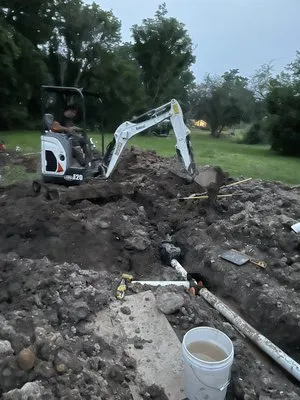
Jetter Drains is a trusted plumbing service provider in Dickson City, PA, specializing in a wide range of solutions from drain and sewer services to comprehensive plumbing and septic system work. We h...
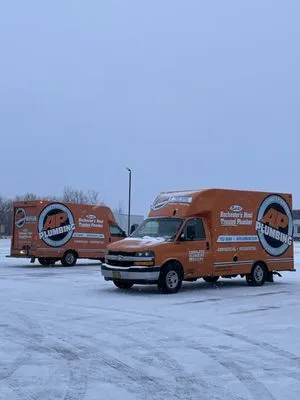
AP Plumbing is a family-owned, licensed, and insured plumbing service that has been serving the Greater Rochester area since 1986. We provide comprehensive residential and commercial plumbing solution...
Vacchetto's Handyman Services is a trusted local provider in Clyde, NY, offering comprehensive home maintenance and repair solutions. We specialize in appliance installation and repair, plumbing servi...

Vanguard Plumbing brings over 13 years of professional expertise to Hamlin, NY, focusing on honest, reliable service for every household. Founded on the principle that integrity comes first, we built ...
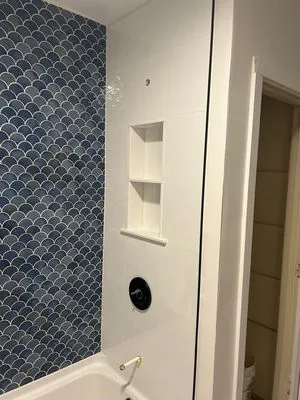
Maroney's Enterprise is a family-operated home services company in Walworth, NY, built on a lifelong passion for skilled trades. With over 17 years of hands-on experience and serving the community sin...
Monroe County Plumbing Services
Monroe County Plumbing Services is a locally owned and operated plumbing business serving Monroe County, NY, with 27 years of experience. Founded by Gary Raskopf, the company provides reliable plumbin...

Mr Rooter Plumbing
Mr. Rooter Plumbing of Rochester is your local, independently owned and operated plumbing service, built on a foundation of trust established over 50 years ago. We bring the reliability of a national ...

Rick Sanford of RSanford Services is a third-generation plumber with over two decades of experience serving Albion, NY, and the surrounding communities. Driven by a personal commitment to excellence a...
Main Line Plumbing
Main Line Plumbing is a licensed plumbing service founded in January 2021, serving Spencerport, NY, and the surrounding Rochester area. While the company is relatively new, our team brings over 75 yea...
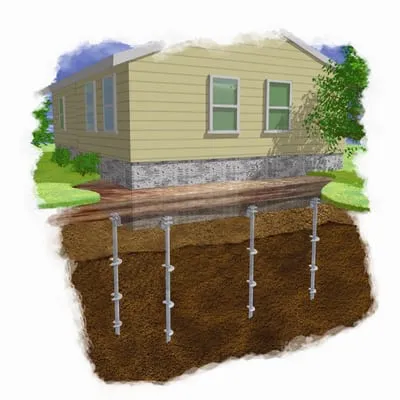
Basement Technologies in Webster, NY, is a locally-owned and operated foundation and waterproofing specialist, established in 2002. Owned by Patrick McDonald, who brings over 20 years of hands-on cons...
Estimated Plumbing Costs in Webster, NY
Common Questions
What permits are needed for a water heater replacement in Webster?
The Town of Webster Building Department requires a permit for a water heater replacement, as it involves gas, water, and pressure connections. As a master plumber licensed by the New York State Department of State, I pull that permit, schedule the required inspections, and ensure the installation meets all current code. Handling that red tape is part of the job, so you don't have to navigate town hall or worry about compliance issues when you sell your home.
Does Lake Ontario water damage my water heater or fixtures?
The mineral content, or hardness, of our municipal water sourced from the lake leads to scale buildup. Inside a water heater, this sediment acts as an insulator, forcing the unit to work harder and fail prematurely. On fixtures, scale clogs aerators and showerheads, reducing flow. You'll notice white, crusty deposits around faucet stems. A water softener helps, but the scale still requires periodic flushing of the heater and cleaning of fixtures.
As a Webster homeowner, am I responsible for the pipe under my yard?
You are responsible for the entire water service line from the street shutoff to your house and the sewer lateral from your foundation to the main sewer in the street. In our suburban setting, tree roots seeking moisture are a common culprit for invading and clogging old clay or Orangeburg sewer laterals. Municipal water pressure is generally consistent, but a sudden drop can indicate a breach in your service line, which is your responsibility to repair.
How quickly can a plumber get to my house in Webster during an emergency?
From our shop, a typical dispatch heads past Webster Park on NY-104 to reach most neighborhoods. That route keeps us on the main artery, avoiding local side streets. For a true emergency like a burst pipe, we aim for a 20 to 30 minute window. Traffic on 104 is the main variable, but we know the back ways if there's an issue.
Can the hilly land near Webster Park cause plumbing issues?
Yes, the slope affects drainage and puts physical stress on pipes. A home's main sewer lateral, which runs downhill to the municipal main, can experience increased flow velocity and joint separation over time. For water supply lines, the constant pressure from the hill's gradient can highlight weak points in aging copper. We also see more foundation settling in these areas, which can strain and crack the main water line where it enters the house.
How long should copper plumbing last in a Webster Village home built in the 1970s?
Copper pipes installed around 1973 are now about 53 years old. That's a full service life for this material. Homeowners in Webster Village are currently dealing with thin, green-tinted spots on pipes and frequent pinhole leaks, especially at soldered joints. The copper has simply worn thin from decades of internal water flow and external ground contact. We often see this manifest as a series of small, persistent leaks in basements and behind walls that require sectional replacement.
What's the most important thing to do before spring thaw to avoid plumbing problems?
Before the spring thaw hits its peak, disconnect any garden hoses from your exterior faucets. A hose left connected traps water in the bib, which will freeze and crack the brass fitting or the pipe inside the wall. With our lows around 18 degrees, that trapped water is a real risk. It's a simple two-minute task that prevents a costly repair inside your basement or crawlspace when everything thaws and the leak starts.
Why do my copper pipes keep springing pinhole leaks?
Pinhole leaks in 1970s copper are often due to a combination of age and local water chemistry. The internal surface of the pipe develops microscopic pits from decades of exposure to our hard water. Over time, these pits corrode completely through the pipe wall. The failure is accelerated at joints and fittings where the solder and flux used during original installation can create a galvanic reaction, eating away the copper from the inside.
