Top Emergency Plumbers in Waterville, NY, 13480 | Compare & Call

There are 40 plumbing companies server in Waterville NY

GEM is a Rochester, NY-based remodeling company serving Monroe and Wayne counties, specializing in transforming homes through comprehensive renovation services. We focus on kitchen and bathroom remode...
Blanding Plumbing is your trusted local plumbing service in Syracuse, NY. We understand that Syracuse homeowners face unique challenges like basement flooding from heavy lake-effect snowmelt and persi...
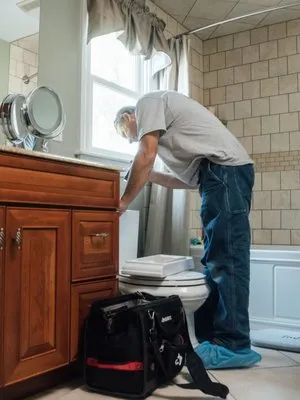
Superior Drain Solutions
Superior Drain Solutions is a locally owned and operated plumbing and drain service company serving Brewerton and the surrounding communities. With a history rooted in a general contracting background...

Mr. Rooter Plumbing of Greater Syracuse
Mr. Rooter Plumbing of Greater Syracuse is a family-owned and operated plumbing service serving Syracuse, NY, and the surrounding Central New York area since 1998. Founded by a family with sons Nichol...
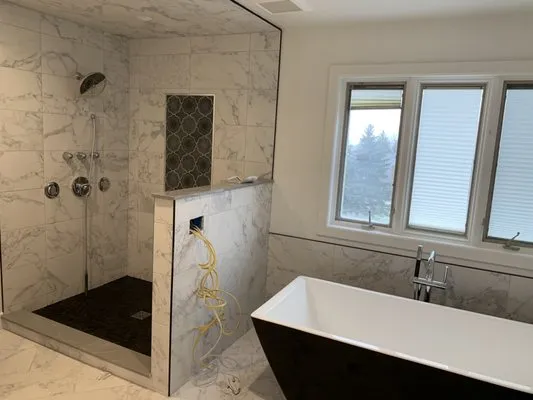
Dannan Plumbing has been a trusted name for plumbing in the Syracuse area since 2000, with deep roots right here in Cazinovia, NY. Founded in 2010 by Master Plumber Rick Dannan, who earned his license...
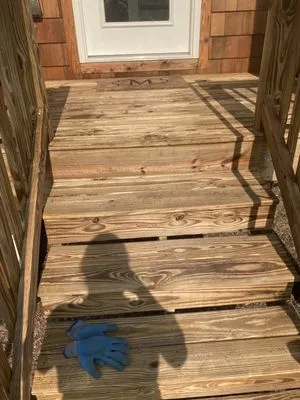
The HandyVan is a Syracuse-based handyman service founded in 2012 by a local professional who brings a unique blend of artistry and practical skill to every job. Growing up on a farm with an electrici...
Whales Plumbing & Excavation is a veteran-owned, full-service provider serving the Canastota community. We combine expertise in plumbing with light excavation to offer comprehensive solutions for home...
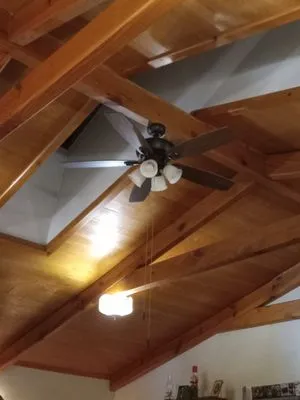
Sunshine Trade Services is your trusted, local handyman and trade specialist serving Syracuse, NY, and the surrounding communities. We understand the unique challenges Central New York homes face, esp...
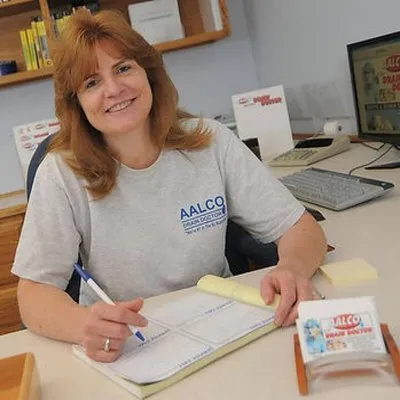
AALCO Septic & Sewer, Inc. - The Drain Doctor
AALCO Septic & Sewer, Inc., known locally as The Drain Doctor, has been a trusted fixture in Oriskany Falls and across Central New York since 1971. Founded by Dick Crane, the family-run business is no...
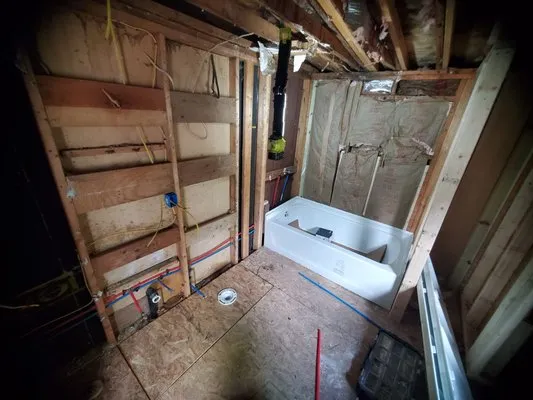
D Lilley Sewer Drain and Handyman Services
D Lilley Sewer Drain and Handyman Services is your trusted, local solution for plumbing and home maintenance in La Fayette, NY. As a family-owned and operated business, we understand the unique challe...
Estimated Plumbing Costs in Waterville, NY
Q&A
Do I need a permit to replace my water heater in Waterville, and who handles that?
Yes, the Village of Waterville Code Enforcement requires permits for water heater replacements and most major plumbing work. As a master plumber licensed by the New York State Department of State Division of Licensing Services, I pull those permits and schedule the required inspections. My crew handles all the red tape so you don't have to, ensuring the installation meets current code for safety and insurance purposes.
Why do my old pipes keep springing pinhole leaks?
Galvanized steel from 1938 corrodes internally from hard water, creating weak spots. Pinhole leaks often appear along the bottom of horizontal pipe runs or at fittings where dissimilar metals meet, like at an old brass valve. This joint calcification makes repairs with a simple patch unreliable. The most permanent fix is to replace the failing galvanized sections with modern materials like copper or PEX.
Could the hilly land around here be causing my slow drains?
Hilly terrain like the slope near the library complicates drainage. If your main sewer line runs downhill, the constant stress can cause joints to separate or the pipe to sag, creating a belly that collects waste. For homes built into a hillside, surface runoff from spring melt can saturate the soil, adding hydrostatic pressure to basement drains and foundation drains. It often requires a camera inspection to diagnose the specific low spot.
How fast can a plumber get to my house in Waterville if I have a burst pipe?
Heading past Waterville Public Library on Route 12, my dispatch route covers most of the village. A typical response from a local, established shop takes 45 to 60 minutes. We keep trucks stocked for common emergencies like frozen pipe repairs and water heater failures. Calling a plumber based farther out in Oneida County can double that window during a spring thaw crisis.
As a rural homeowner with a well and septic, what plumbing issues are unique to me?
Your system is self-contained, so pressure and waste problems originate on your property. A failing pressure tank or well pump will cause sputtering faucets or no water. For septic, the drain field is critical; overuse or flushing non-biodegradables can cause a backup into the home's lowest drains, typically a basement floor drain or shower. You don't have a municipal sewer to call, so maintenance and proper use are your responsibility.
Does having a private well with hard water damage my plumbing fixtures?
Yes, the high mineral content from local wells causes significant scale buildup. Inside a water heater, this scale acts as an insulator, forcing the unit to work harder and fail prematurely. You'll see it crust on faucet aerators and showerheads, reducing flow. Installing a whole-house water softener is the standard recommendation here to protect appliances and extend the life of your plumbing system.
Our Waterville house was built in the late 1930s. What should I be watching for with the original plumbing?
Plumbing installed around 1938 is now 88 years old. In the Main Street Historic District, we see galvanized steel pipe walls failing from the inside out. Homeowners often notice a sudden drop in water pressure as decades of rust and mineral scale close the pipe bore. The first sign is usually brownish water or a small leak at a threaded joint. These pipes are beyond their service life and typically require full replacement to ensure reliability.
What's the most important thing to do before winter to prevent frozen pipes in Waterville?
Disconnect and drain all outdoor hoses before temperatures hit 12°F. Insulate pipes in unheated crawl spaces and garages, focusing on areas facing the prevailing wind. Know the location of your main water shut-off valve. A pro-tip for this snow belt is to let a cold faucet drip slightly during a deep freeze, especially if pipes are in an exterior wall. This keeps water moving and relieves pressure.
