Top Emergency Plumbers in University at Buffalo, NY, 14228 | Compare & Call

University At Buffalo Emergency Plumbers
Phone : (888) 860-0649
There are 110 plumbing companies server in University At Buffalo NY
Brad Miller Miller's Plumbing & Excavating
Brad Miller Miller's Plumbing & Excavating is a trusted, full-service contractor serving Erie and the surrounding communities. For years, our team has helped local homeowners tackle the region's commo...
Jon the Plumber is a family-owned plumbing service serving Buffalo, NY, and surrounding suburbs. Founded by Jon, a lifelong Buffalo resident who started plumbing in 2004, the business is built on loca...

Frank's Mr. Plumber brings reliable, Nexstar-certified plumbing solutions to Tonawanda and the greater Buffalo area. We operate on the principle that while no one loves to call a plumber, you should b...

Zirpoli Plumbing is a trusted, locally-owned and operated plumbing service proudly serving Buffalo, NY, and the surrounding communities. As a fully licensed and insured company, we bring years of hand...
Reliable Repairs Handyman Service is your trusted local handyman in Lockport, NY, specializing in comprehensive plumbing solutions to keep your home running smoothly. We understand that home upkeep sh...
T-Mark Plumbing, Heating, Cooling & Electric - Clarence
For over 18 years, T-Mark Plumbing, Heating, Cooling & Electric has been a trusted name serving homeowners and commercial clients throughout Western New York. Founded and operated by local residents J...
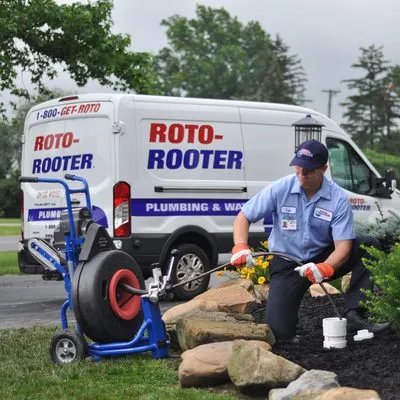
Roto-Rooter Plumbing & Water Cleanup
Roto-Rooter Plumbing & Water Cleanup has been a trusted resource for Buffalo, NY, homeowners and businesses for years. We are fully staffed and ready to help 24 hours a day, 7 days a week, with no ext...
Sewer Pro Plumbing
Sewer Pro Plumbing has been serving Cheektowaga homeowners for over 30 years with reliable residential plumbing solutions. As a licensed and insured local business, we provide comprehensive services i...
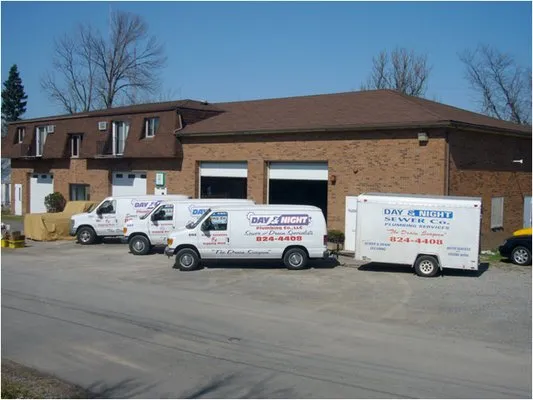
Day & Night Plumbing is a trusted, full-service plumbing company serving Buffalo homeowners and businesses. We understand the common local frustrations like low water pressure and garbage disposal jam...
Zenner & Ritter
Zenner & Ritter is a family-owned and operated home services company that has been a cornerstone of the Buffalo, NY community since the late 1920s. Under the leadership of Barbara and her son Brian, t...
Estimated Plumbing Costs in University at Buffalo, NY
Question Answers
Does Lake Erie water affect my home's plumbing fixtures?
Lake Erie's hard water causes significant scale buildup in water heaters and fixtures over time. Mineral deposits reduce water heater efficiency by up to 30% and shorten appliance lifespan. Fixtures like showerheads and faucet aerators require regular cleaning to maintain proper flow. Installing a whole-house water softener can mitigate these effects throughout your plumbing system.
How quickly can a plumber reach University Heights from Niagara Falls?
Heading past Niagara Falls on I-290, the route to University Heights typically takes 30-45 minutes depending on traffic and weather conditions. This corridor provides direct access to the University at Buffalo area. Most plumbing emergencies in this region receive same-day response, with priority given to water shut-off situations during business hours.
As a suburban homeowner near UB, what unique plumbing issues should I watch for?
Suburban homes in this area experience typical municipal water pressure between 40-80 PSI, which can stress older pipe connections. Tree roots from mature landscaping often infiltrate sewer laterals, causing slow drains and backups. Regular camera inspections of your lateral line to the main sewer can identify root intrusion before it becomes a complete blockage.
Do I need permits for plumbing work in Amherst, and who handles that process?
The Town of Amherst Building Department requires permits for most plumbing modifications beyond basic repairs. As a New York State Department of State Division of Licensing Services licensed master plumber, I handle all permit applications, inspections, and compliance documentation. This ensures your project meets current codes without you navigating bureaucratic processes.
What should I do to prepare my plumbing for Buffalo's spring thaw?
Before spring thaw peaks, disconnect garden hoses and drain outdoor spigots to prevent frozen pipe bursts. Insulate exposed pipes in unheated areas like garages and crawl spaces. Keep your thermostat set to at least 55°F during cold snaps, even when away. These measures help prevent the pipe fractures that commonly occur when frozen sections thaw rapidly.
Why do my 2002-era copper pipes keep developing small leaks?
Copper plumbing from 2002 often experiences pinhole leaks due to micro-galvanic corrosion between copper pipes and brass fittings. The solder joints from that installation period can develop calcification buildup that creates weak points. These failures typically manifest first in hot water lines and at fixture connections, where temperature fluctuations accelerate wear.
How does the flat terrain around Niagara Falls impact my home's drainage?
The region's plain terrain provides minimal natural slope for drainage, which can lead to water pooling around foundations during heavy rain or snowmelt. This puts constant hydrostatic pressure on your main sewer line. Proper grading away from your foundation and functional sump pumps are essential to prevent basement flooding and reduce stress on underground plumbing.
My University Heights home was built around 2002 - should I be worried about my plumbing?
Copper pipes installed in 2002 are now 24 years old. At this age, homeowners in University Heights often notice increased frequency of pinhole leaks, especially at solder joints where dissimilar metals meet. The copper has undergone decades of thermal expansion and water chemistry exposure. Regular inspections of visible pipes in basements and crawl spaces can catch minor issues before they become major water damage problems.
