Top Emergency Plumbers in South Lockport, NY, 14094 | Compare & Call

There are 52 plumbing companies server in South Lockport NY

Frank's Mr. Plumber brings reliable, Nexstar-certified plumbing solutions to Tonawanda and the greater Buffalo area. We operate on the principle that while no one loves to call a plumber, you should b...
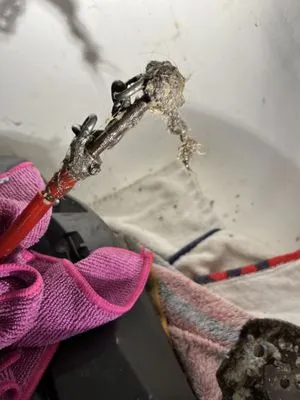
Reliable Repairs Handyman Service is your trusted local handyman in Lockport, NY, specializing in comprehensive plumbing solutions to keep your home running smoothly. We understand that home upkeep sh...
Zenner & Ritter
Zenner & Ritter is a family-owned and operated home services company that has been a cornerstone of the Buffalo, NY community since the late 1920s. Under the leadership of Barbara and her son Brian, t...
Roy's Plumbing Heating Cooling & Electrical
For over 50 years, Roy's Plumbing Heating Cooling & Electrical has been the trusted, family-operated choice for home comfort services in Tonawanda, NY. Founded in 1973 on the principle of always doing...
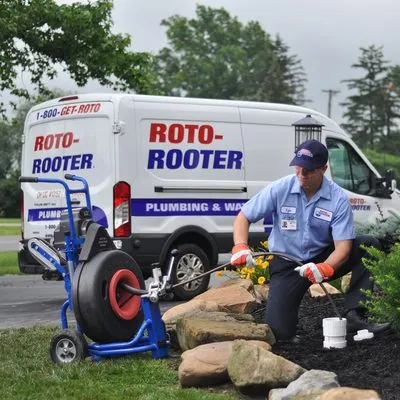
Roto-Rooter Plumbing & Water Cleanup
Roto-Rooter Plumbing & Water Cleanup in Cheektowaga, NY is a locally trusted provider of comprehensive plumbing and water damage services. Our team of licensed professionals is dedicated to serving ho...
The Handymen serves West Seneca homeowners with a comprehensive range of repair, installation, and maintenance services. From plumbing and electrical work to drywall, painting, and tile, we handle the...
Bright Star Plumbing and Contracting
Bright Star Plumbing and Contracting is a fully licensed and insured plumbing company serving both residential and commercial clients in Niagara Falls, NY. We are honest plumbers committed to providin...
The Hot Water People is a trusted plumbing service based in Buffalo, NY, specializing in comprehensive residential and commercial plumbing solutions. We handle everything from water heater installatio...
Towlson Plumbing, Heating And Cooling
Towlson Plumbing, Heating and Cooling is a trusted, full-service contractor for residential and commercial properties throughout Lockport and Niagara County. We provide comprehensive solutions for plu...

Seven One Fixers is a trusted home improvement contractor serving Buffalo, NY and surrounding communities. We provide comprehensive residential services including electrical work, plumbing, remodeling...
Estimated Plumbing Costs in South Lockport, NY
Q&A
What's the most important winter plumbing tip for the Snow Belt?
Before temperatures drop to our typical 17-degree lows, disconnect and drain all outdoor hoses. Water left in the hose bib can freeze and travel back inside the wall, cracking the pipe. For homes in Lockport Heights with exposed plumbing in crawl spaces or garages, adding pipe insulation is a simple, critical step. A slow drip from faucets during extreme cold snaps is a proven, low-cost method to prevent frozen pipes.
Why does my 80s copper plumbing keep springing pinhole leaks?
Copper pipe from that era can suffer from a process called type M copper erosion, where the pipe wall thins over decades. Aggressive local water, combined with the age of the system, accelerates this. The leaks often appear first at solder joints or where pipes are secured with metal straps, as these are points of electrochemical reaction. Re-piping affected sections with modern type L copper or a suitable alternative is the definitive repair.
My copper plumbing is from the 80s. What problems should I expect now?
Copper systems installed around 1984 are now about 42 years old, a point where age-related wear accelerates. In South Lockport and Lockport Heights, I'm seeing more frequent pinhole leaks, often where pipes contact concrete or have been subject to years of vibration. The internal surface of the pipe also becomes thinner, making it more susceptible to pressure surges. Planning a proactive inspection can identify weak points before they become a major leak.
As a suburban homeowner, what should I know about my main sewer line?
Your lateral line from the house to the municipal main is your responsibility. In our suburban setting, the primary risk isn't tree roots, as they are less dense, but ground settlement and joint failure from age. A video inspection of the line can reveal bellies or cracks before they cause a backup. It's also wise to know the location of your main cleanout; keeping it accessible saves critical time during an emergency.
Could the flat land here cause drainage issues for my home's plumbing?
The relatively plain terrain around the Erie Canal Locks means stormwater and groundwater have less natural runoff. This can saturate the soil, putting constant hydrostatic pressure on your home's foundation and the main sewer line. Over time, this external pressure can stress pipe joints and lead to infiltration or even a collapsed lateral. Proper grading away from your foundation and ensuring downspouts drain well away from the house are essential.
Do I need a permit to replace my water heater or re-pipe my house?
Yes, the Town of Lockport Building Department requires permits for that work to ensure it meets state and local code. As a master plumber licensed by the New York State Department of State Division of Licensing Services, I pull all necessary permits and schedule the required inspections. My crew handles the red tape and coordinates with the town so you don't have to, ensuring the job is documented and compliant.
Does our hard water from the Niagara River damage appliances?
Yes, the mineral content in our hard water leads to significant scale buildup. Inside a water heater, this limescale acts as an insulator, forcing the unit to work harder and fail prematurely. You'll also notice reduced flow and clogged aerators on faucets. Installing a whole-house water softener is the most effective defense, protecting your water heater, fixtures, and the lifespan of your copper pipes.
How fast can a plumber get to my house in an emergency?
From my location near the Erie Canal Locks, the route out to South Lockport typically follows New York State Route 78, which is direct and well-maintained. Heading past the locks and onto Route 78, I can usually be on-site in 20 to 30 minutes for an urgent call. Traffic is generally light, and knowing the back routes around Lockport Heights ensures a reliable response time even during peak hours.
