Top Emergency Plumbers in South Huntington, NY, 11746 | Compare & Call

There are 239 plumbing companies server in South Huntington NY
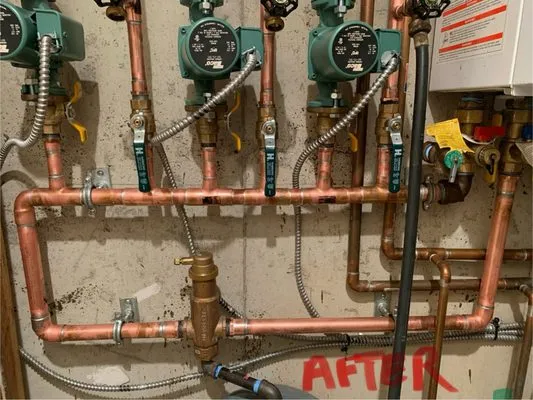
GME Plumbing & Heating
GME Plumbing & Heating is a locally owned and operated business serving Bronx Park and the surrounding areas since 2008. Founded on a commitment to integrity and reliable service, we focus on providin...
MKC Plumbing & Heating
MKC Plumbing & Heating was founded by a team of experienced plumbers with a clear mission: to provide reliable residential and commercial plumbing services for Long Island. We are committed to deliver...
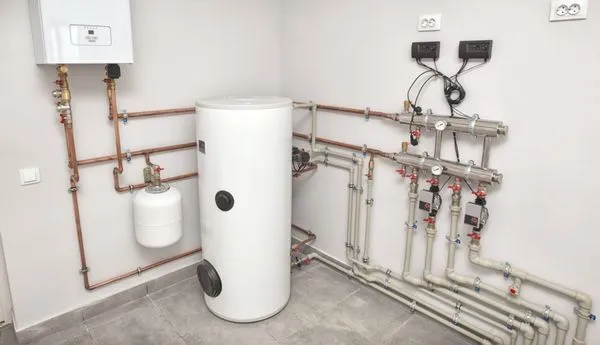
Oh Gush Sewer & Drain SVC is a locally-owned plumbing business serving New York, NY since 2019. We provide 24-hour emergency plumbing services with a focus on water heater installation and repair, dra...
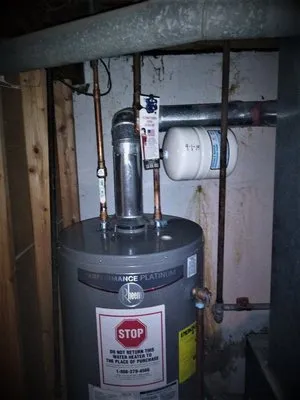
Platinum Plumbing Service is a trusted, state-certified plumbing and heating company serving Massapequa and Long Island since 1996. With over 25 years of experience, our certified professionals specia...

Intrepidus Piping & Heating Services is a family-founded and operated plumbing business rooted in Queens, NY. The owner's journey began under the mentorship of his uncles in the trade, but a deep desi...
Sturks Sewer Works is a trusted plumbing and sewer service provider serving New York, NY, with over two decades of experience. We specialize in comprehensive solutions including bathtub, drain, faucet...
Safeway Sewers is a licensed plumbing and drain cleaning company serving Jamaica, NY and surrounding areas. With over 10 years of experience, our technicians provide reliable sewer, drain, and plumbin...

All Day Plumbing & Heating Corp
All Day Plumbing & Heating Corp is a licensed and insured contractor with over 30 years of leadership experience serving Queens and the greater New York City area since 1994. We provide comprehensive ...
Golden Wings Plumbing is a trusted local plumbing service in New York, NY, specializing in comprehensive solutions for residential plumbing needs. With many New York homes facing issues like pipe corr...
JCA Mechanical is a trusted, locally-owned plumbing and heating company that has been proudly serving Astoria and the wider NYC area since 2007. We are committed to providing quality work at a reasona...
Estimated Plumbing Costs in South Huntington, NY
Common Questions
Should I do anything special to my pipes before winter in this climate?
Our temperate climate means the main risk is a hard freeze, not sustained deep cold. A key pro-tip is to disconnect and drain your garden hoses before temperatures dip to 25°F, as a frozen hose can burst the faucet or pipe inside your wall. Also, know the location of your main water shutoff valve in case a pipe does freeze and burst during a spring thaw when temperatures fluctuate rapidly.
Does Suffolk County's hard water damage my plumbing fixtures?
Yes, the hard water from our local aquifers deposits mineral scale inside pipes and appliances. Over time, this scale buildup insulates heating elements in your water heater, forcing it to work harder and fail sooner. It also restricts flow at faucet aerators and showerheads. Installing a whole-house water softener is the most effective way to protect your hardware from this specific local water condition.
How quickly can a plumber get to me in South Huntington Heights for an emergency?
Most service calls from our shop involve heading past the Walt Whitman Birthplace State Historic Site to access I-495, which puts us at your door in 30 to 45 minutes depending on traffic. We keep trucks stocked for common local emergencies like burst washing machine hoses or failed water heater relief valves. That route gives us reliable access to the entire South Huntington area.
Could the hilly land in my neighborhood be causing my drainage problems?
The slope of the land around areas like Walt Whitman Birthplace can definitely affect your property's drainage. A home situated downhill may experience excessive groundwater pressure against its foundation, stressing the main sewer line. Conversely, a house on a hill might have a sewer lateral that is too steep, causing waste to outrun water and leave solids behind. Proper grading and a correctly sloped lateral are critical here.
What is a pinhole leak and why do I keep getting them in my old pipes?
Pinhole leaks are small, sudden failures in galvanized steel pipe, common in homes built around 1958. Decades of internal corrosion and mineral scale buildup create weak spots that finally give way under normal water pressure. You'll often find them at threaded joints or along horizontal runs where sediment settles. The repair is usually a temporary patch; the underlying issue is the aged pipe system itself.
Who handles the permits if I need to replace my main water line?
Any main line replacement requires permits from the Town of Huntington Department of Engineering Services. As a Master Plumber licensed by the Suffolk County Department of Labor, Licensing and Consumer Affairs, I pull those permits, schedule the required inspections, and ensure the work meets all local codes. My job is to handle that red tape so you don't have to navigate the town and county bureaucracy yourself.
As a suburban homeowner, what's my biggest plumbing risk compared to city living?
Your biggest difference is the length and responsibility of the sewer lateral. In this suburban setting, you own the pipe from your house all the way to the main sewer line in the street, which can be over 100 feet long. Tree roots seeking water are the primary threat to this buried line, and a full blockage or break is solely your financial responsibility to repair, unlike in some denser urban contexts.
My house was built around 1958 and I'm getting rusty water. Is this normal for South Huntington?
It's a common sign your original galvanized steel pipes have reached their 68-year mark. Homeowners in South Huntington Heights are seeing this now as the interior zinc coating erodes completely, exposing the raw steel to water and causing accelerated rust. The pipe walls thin out, leading to reduced water pressure and eventual pinhole leaks, often first noticed at the lowest fixtures like basement laundry tubs. Replacement is typically the only long-term solution.
