Top Emergency Plumbers in Shelter Island, NY, 11964 | Compare & Call

There are 237 plumbing companies server in Shelter Island NY
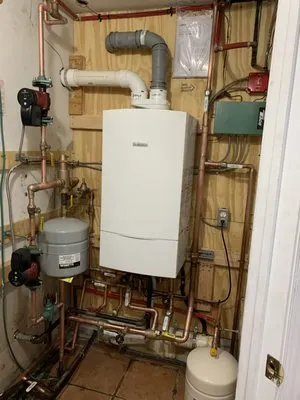
Elite Hydronics
Elite Hydronics in Moscow, PA, is a trusted plumbing and HVAC service led by Master Plumber James Allwin, who brings over 25 years of expertise to every job. As his apprentice, I've learned firsthand ...
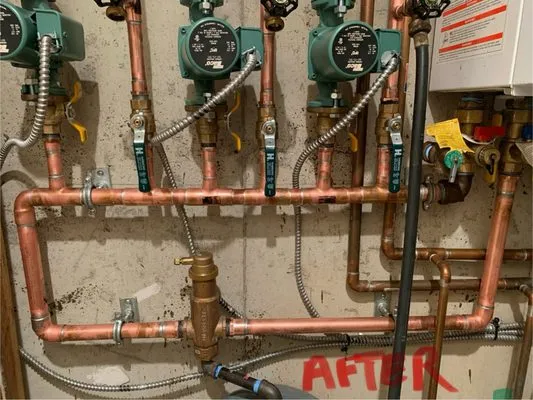
GME Plumbing & Heating
GME Plumbing & Heating is a locally owned and operated business serving Bronx Park and the surrounding areas since 2008. Founded on a commitment to integrity and reliable service, we focus on providin...
Oh Gush Sewer & Drain SVC is a locally-owned plumbing business serving New York, NY since 2019. We provide 24-hour emergency plumbing services with a focus on water heater installation and repair, dra...
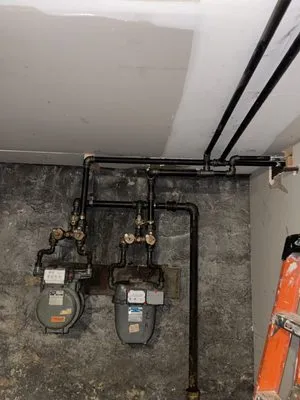
HSM Piping & Heating
HSM Piping & Heating is a trusted, full-service plumbing and HVAC company serving homeowners across Brooklyn, NY. For years, we've helped our neighbors tackle the borough's common plumbing challenges,...
Standby Plumbing & Heating
Standby Plumbing & Heating has been serving Brooklyn homes and businesses for years, providing reliable plumbing and heating solutions. Our experienced technicians handle everything from routine maint...
Founded in 2005 by experienced, licensed plumbers, Ms Plumbing Corp was built on a passion for solving problems and a commitment to honest, transparent service. We started as apprentices and built a c...
24/7 Plumbing is your trusted local plumbing partner in Brooklyn, NY, ready to tackle any emergency or scheduled project. We understand the common plumbing headaches that Brooklyn residents face, from...
Lav Handy Work is a Brooklyn-based handyman service dedicated to providing reliable solutions and the best value for local homeowners. Founded on a simple principle—fix it first before replacing it—th...
Superior Plumbing Heating & Mechanical
Superior Plumbing Heating & Mechanical is a family-owned and operated plumbing and HVAC service provider, established in 2003 and proudly serving Ozone Park, the five boroughs, Long Island, and Westch...
SS Plumbing & Heating has been a trusted provider of plumbing and heating solutions for New York homeowners and businesses for over a decade. Our focus is on complete client satisfaction, delivered by...
Estimated Plumbing Costs in Shelter Island, NY
Q&A
Could the hilly land near Mashomack Preserve be causing my drainage problems?
Coastal slopes and sandy soils common here directly impact drainage. A steep grade can put excessive static pressure on sewer main joints, leading to separation or infiltration. During heavy rain, surface water follows the terrain, which can overwhelm perimeter drains if they're not sized and graded correctly. Properly managing this runoff requires accounting for the natural lay of the land.
Does having a private well with hard water damage my appliances?
Yes, hard water from a private well accelerates scale buildup. Inside a water heater, this mineral layer acts as an insulator, forcing the unit to work harder and shortening its lifespan. You'll also see reduced flow and premature wear on faucet cartridges and shower valves. Installing a whole-house water softener is the most effective long-term solution to protect your hardware.
Why are my 1970s-era copper pipes suddenly springing leaks?
Copper from that period often suffers from joint calcification and pinhole leaks due to age and water chemistry. Over five decades, mineral scale builds up at solder joints, creating stress points. Simultaneously, microscopic imperfections in the pipe wall can erode from the inside out, especially in areas with aggressive water. This combination frequently leads to failures in the original plumbing system.
How quickly can a plumber get to me if I'm on the north end of the island?
From our base near Mashomack Preserve, the dispatch route runs up State Route 114. Heading north past the preserve, we can typically reach most homes in Shelter Island Heights within 45 to 60 minutes, depending on ferry traffic and the specific lane. We factor this transit time into every service call to provide a realistic arrival window.
What's one thing I should do before spring to avoid a plumbing emergency?
Before the spring thaw hits its peak, disconnect and drain all outdoor hoses. Trapped water in the hose bib can freeze and crack the interior valve, even with our moderate lows around 24°F. A burst bib inside the wall causes significant damage. This simple five-minute task is the most reliable seasonal protection for a temperate coastal climate.
Who handles the permits for a water heater replacement or bathroom remodel?
Permits for plumbing work are filed with the Shelter Island Building Department. As a Master Plumber licensed by Suffolk County Department of Labor, Licensing and Consumer Affairs, I manage the entire submission and inspection process. This includes ensuring all installations meet current code, so you don't have to navigate the red tape yourself.
My house in Shelter Island Heights was built around 1974. What should I be watching for with my plumbing now?
Copper pipes installed in 1974 are now 52 years old. At this age, the interior wall thickness has been slowly reduced by decades of water flow, making pinhole leaks a common issue in older sections of town. Homeowners often first notice a small, persistent damp spot on a ceiling or a slight drop in water pressure. It's a predictable failure point for this vintage of home, and proactive inspection of accessible lines can prevent larger water damage.
Are there special plumbing considerations for a rural home on Shelter Island?
Rural systems here integrate a private well and a septic system, which operate as a closed loop. A malfunction in one directly affects the other; for instance, a running toilet can hydraulically overload and fail a septic drain field. Maintenance focuses on this balance, including checking well pressure tanks, ensuring septic systems are pumped regularly, and using septic-safe products.
