Top Emergency Plumbers in Shandaken, NY, 12410 | Compare & Call

There are 66 plumbing companies server in Shandaken NY
Browns Plumbing Heating and Air Conditioning
Browns Plumbing Heating and Air Conditioning is a trusted local provider in Cornwall-on-Hudson, NY, dedicated to the comfort and reliability of your home's essential systems. We specialize in professi...
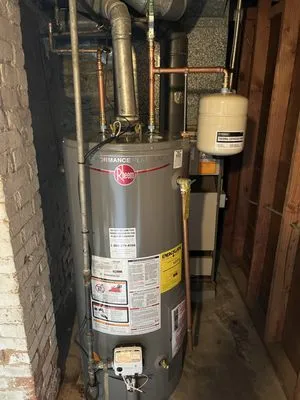
Saggese Plumbing & Gas
Saggese Plumbing & Gas is a fully licensed, bonded, and insured plumbing contractor serving Campbell Hall and the wider Hudson Valley. We provide a comprehensive range of services to meet the needs of...
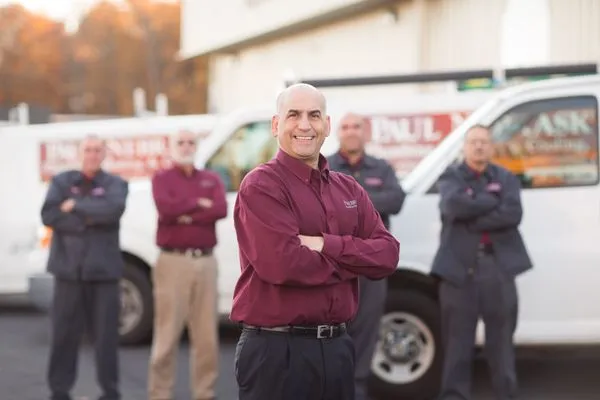
Nebrasky Plumbing, Heating & Cooling
Nebrasky Plumbing, Heating & Cooling has been serving Monroe, NY, and the surrounding Hudson Valley region since 1988. As a family-owned business, we provide reliable plumbing, heating, and cooling se...
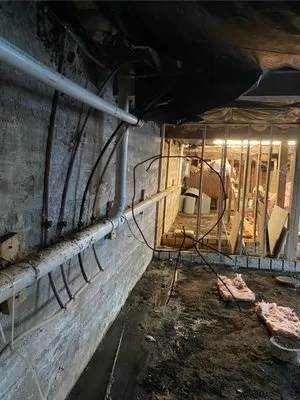
Affordable Plumbing
We're a family-owned, fully insured plumbing business serving Walden and the Hudson Valley. With over a decade of experience, our commitment is to provide honest, fair, and reliable service for both r...
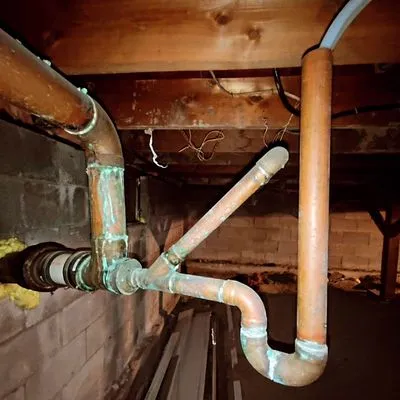
Word Of Mouth Plumbing
Brian, the owner and operator of Word Of Mouth Plumbing LLC, is a seasoned professional with over 11 years of plumbing experience in the Hudson Valley. His journey began at age 19 as a helper, and thr...
TNT Mechanical is a family-owned and operated business serving the Wallkill, NY community with over 15 years of hands-on experience. Specializing in HVAC, plumbing, refrigeration, and electrical servi...
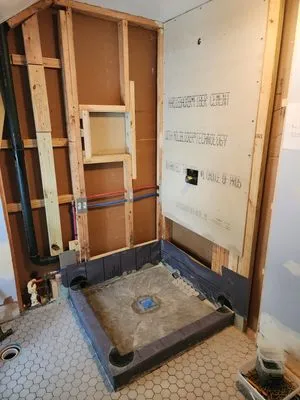
Buildology in Kerhonkson, NY, is a residential construction company founded by artists—an actor/filmmaker and a painter—who bring a creative vision to building. We specialize in custom homes, renovati...
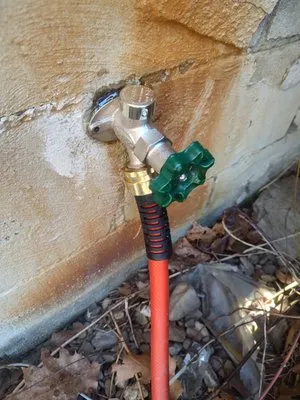
Harris Plumbing and Drain Cleaning
Harris Plumbing and Drain Cleaning has been a trusted fixture in the Hudson Valley since 1983. As a family-owned business now led by third-generation plumber Mike Harris, we are dedicated to upholding...
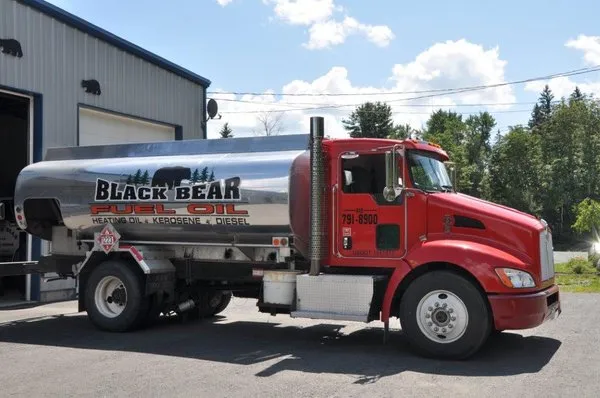
Black Bear Fuel Oil, Plumbing, Heating & Air Conditioning
Black Bear Fuel Oil, Plumbing, Heating & Air Conditioning is a family-owned and operated business serving Harris, NY, and the greater Sullivan County area. Founded by lifetime resident Bob Mapes, the ...
MOD Home Innovations is a family-owned and operated home improvement company serving Amenia, NY, and surrounding areas. With over 10 years of experience across electrical, plumbing, carpentry, and lan...
Estimated Plumbing Costs in Shandaken, NY
Common Questions
Are septic and well systems more complicated to maintain than town water?
Rural properties require understanding both septic and well systems working together. A failing septic can contaminate your own well, creating health hazards. Well pumps need proper pressure settings, and septic fields require careful water usage management. Unlike municipal systems where someone else maintains the infrastructure, homeowners here are responsible for everything from the well cap to the drain field.
Could my home's slope toward Esopus Creek be causing drainage problems?
Hilly terrain puts constant stress on main sewer lines through soil shifting and root intrusion. Gravity-fed systems rely on consistent slope, and settling over decades creates low spots where waste collects. Heavy rains can overwhelm drainage systems as water runs downhill. I often find cracked pipes at property lines where the slope changes abruptly.
Who handles permits for plumbing work in Shandaken?
The Town of Shandaken Building Department issues local permits, while the New York State Department of State Division of Licensing Services oversees my master plumber credentials. I file all paperwork, schedule inspections, and ensure work meets current codes. Homeowners shouldn't navigate this bureaucracy alone—proper documentation protects your property value and ensures systems function safely for years.
How quickly can a plumber reach my home in Shandaken?
Heading past Esopus Creek on Route 28 gets me to most addresses within 45-60 minutes. I keep a stocked service van ready to roll, so I'm not stopping for parts on the way. That route covers the main corridor through our hilly terrain, though some driveways off the main roads might add a few minutes. You'll get a text with my estimated arrival time when I dispatch.
Why are so many homes in Phoenicia having plumbing problems lately?
Galvanized steel pipes installed around 1958 are now 68 years old. At this age, the zinc coating has completely corroded away, exposing the underlying steel to constant water contact. Homeowners are seeing widespread rust-colored water, reduced water pressure from mineral buildup, and sudden leaks at threaded joints. This isn't random bad luck—it's the predictable lifespan of this material reaching its end across our area.
Does well water damage water heaters faster in our area?
Private wells in Shandaken often draw acidic, corrosive water that attacks metal components. Water heater anode rods corrode in months instead of years, leaving the tank vulnerable. Fixtures develop blue-green stains from copper corrosion, and valves wear out prematurely. Installing a whole-house neutralizer or using powered anode rods can extend equipment life significantly.
What should I do before spring thaw to avoid plumbing issues?
Check all exterior faucets and irrigation systems for proper drainage before temperatures drop below freezing again. Our 12-degree lows mean any trapped water expands and cracks pipes. Insulate crawl spaces and basement pipes near exterior walls. Know where your main shutoff valve is located—spring thaw can reveal leaks that went unnoticed all winter.
What causes those small leaks in old pipes that just keep coming back?
Galvanized steel from the 1950s develops pinhole leaks when corrosion eats through the pipe wall. These often appear at joints where dissimilar metals meet, creating galvanic corrosion. The problem compounds because each repair disturbs more of the aging system. Complete repiping with modern materials like PEX or copper stops this cycle, rather than chasing individual leaks year after year.
