Top Emergency Plumbers in Saratoga, NY, 12170 | Compare & Call

There are 146 plumbing companies server in Saratoga NY
Browns Plumbing Heating and Air Conditioning
Browns Plumbing Heating and Air Conditioning is a trusted local provider in Cornwall-on-Hudson, NY, dedicated to the comfort and reliability of your home's essential systems. We specialize in professi...
Roberto Plumbing & Heating has been serving Woodstock, NY, and the broader Hudson Valley region for over 20 years, building a trusted reputation for reliable plumbing and HVAC services. We specialize ...
Flexible Plumbing
Founded in 2000, Flexible Plumbing is a trusted local provider for the Florida, NY, and Hudson Valley community. We specialize in comprehensive plumbing, heating, and remodeling services, from emergen...
Reliable Lawn Maintenance has been serving the Hudson Valley region since 2000, providing dependable property maintenance services with a personal touch. Owner-operator James Cassese leads a team dedi...
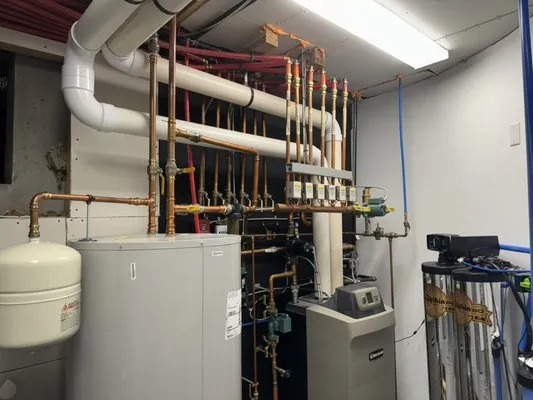
Bob's Professional Services Group LLC is a family-owned and operated business serving Woodbury and the surrounding area, specializing in HVAC, electrical, and plumbing work. We believe in providing re...

Miller's Sewer & Drain Services is a trusted, locally-owned plumbing company serving Albany, NY, and the surrounding Capital Region. We specialize in the full spectrum of sewer, drain, and water syste...
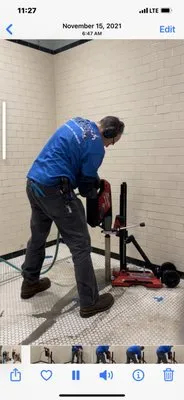
Since 1999, Revenge Plumbing has been the trusted local plumbing partner for homeowners and businesses in Colonie and the surrounding Capital Region. Founded on a commitment to clear communication and...
Precision Plumbing has been a trusted, family-run plumbing service in Albany and New York's Capital Region since 1973. Originally founded as 'A Real Plumber,' we are a third-generation company with ov...
Holmes HVAC Solutions
Holmes HVAC Solutions is a locally owned and operated family business serving Averill Park and the greater Hudson Valley area. Founded in 2018 by an owner with over a decade of HVAC expertise, the com...
Miller's Water Restoration is a trusted, local service provider in Hannacroix, NY, specializing in comprehensive water damage and plumbing solutions. We understand that many homes in our area face com...
Estimated Plumbing Costs in Saratoga, NY
FAQs
Could the hilly land near the racecourse be causing my drainage issues?
Yes, the slope of the land directs significant groundwater and surface runoff. This constant hydraulic pressure can stress the main sewer line running from your house to the street, leading to joint separation or root intrusion at low points. For homes at the bottom of a hill, it also increases the risk of basement drain backups during heavy rain or the spring thaw, as the municipal system handles the collective runoff.
Do I need a permit to replace my water heater in Saratoga Springs?
Yes, the City of Saratoga Springs Building Department requires a permit for water heater replacement, as it involves gas, electrical, and plumbing code compliance. As a master plumber licensed by the New York State Department of State, I pull the permit, schedule the inspection, and ensure the installation meets all current code. Handling this red tape is part of the job so you don't have to navigate it.
Why does my 1997-built home keep getting small leaks in the copper pipes?
Copper pipes from that period can develop pinhole leaks due to a combination of water chemistry and manufacturing variations. After nearly three decades, the protective oxide layer inside the pipe can break down in spots, allowing corrosion to penetrate the wall. The leaks often start at solder joints or where pipes contact dissimilar metals, like at a water heater connection without a proper dielectric union.
As a suburban homeowner here, what should I know about my main sewer line?
Your responsibility typically starts at the cleanout just outside your foundation. The lateral line running under your yard to the city main is susceptible to root intrusion from mature trees and can settle or crack over time. Municipal water pressure is generally good, but pressure-reducing valves installed at the meter can fail, causing abnormally high pressure that stresses all your fixtures and appliance connections.
What's the most important thing to do for my pipes before winter in Saratoga?
Disconnect and drain your garden hoses before the first hard freeze. A hose bib that freezes can burst the pipe inside your wall, leading to a major leak. For exterior faucets without a frost-free valve, shutting off the interior supply line and draining it is essential. This simple step prevents one of the most common and destructive winter emergencies we see in this snow belt.
How fast can a plumber get to me on the West Side during track season?
Traffic patterns are factored into our dispatch. From the shop near the Race Course, the route heads west to I-87, which provides a direct corridor to most West Side neighborhoods. Barring major event gridlock, this allows for a consistent 30 to 45 minute arrival window. We schedule around known peak traffic to maintain that reliability.
Does Saratoga Lake water affect my home's plumbing and appliances?
The hard water from our municipal supply, sourced from the lake, leads to significant scale buildup. Inside your water heater, this mineral accumulation insulates the heating elements, forcing them to work harder and fail sooner. You'll also see reduced flow at faucet aerators and showerheads. An annual flush of the water heater and installing a whole-house water softener are the most effective countermeasures.
My house in West Side Saratoga was built in the late 90s. Should I be worried about my plumbing?
Houses in your area are approaching 30 years old. The copper plumbing installed around 1997 is now at the age where pinhole leaks from internal corrosion are common. You might notice a sudden drop in water pressure, a small damp spot on a wall, or discoloration on a ceiling. This is a predictable failure point for the era, and a proactive inspection of supply lines can identify weak spots before they become major leaks.
