Top Emergency Plumbers in Rush, NY, 14414 | Compare & Call

There are 176 plumbing companies server in Rush NY
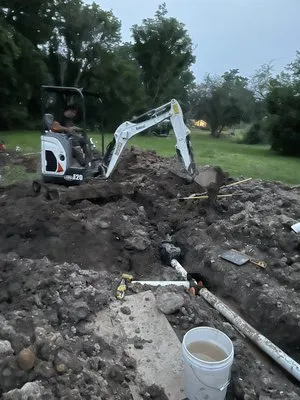
Jetter Drains is a trusted plumbing service provider in Dickson City, PA, specializing in a wide range of solutions from drain and sewer services to comprehensive plumbing and septic system work. We h...
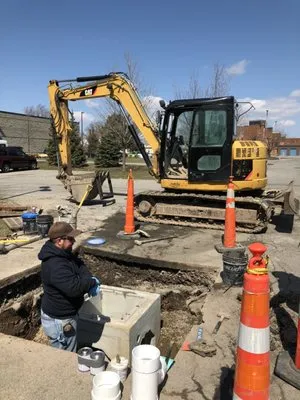
For over 30 years, Kimil Construction has been a foundational part of Buffalo's construction and plumbing landscape. Founded in 1990, the company provides comprehensive plumbing solutions, handling ev...

AP Plumbing is a family-owned, licensed, and insured plumbing service that has been serving the Greater Rochester area since 1986. We provide comprehensive residential and commercial plumbing solution...

Vacchetto's Handyman Services is a trusted local provider in Clyde, NY, offering comprehensive home maintenance and repair solutions. We specialize in appliance installation and repair, plumbing servi...

Vanguard Plumbing brings over 13 years of professional expertise to Hamlin, NY, focusing on honest, reliable service for every household. Founded on the principle that integrity comes first, we built ...
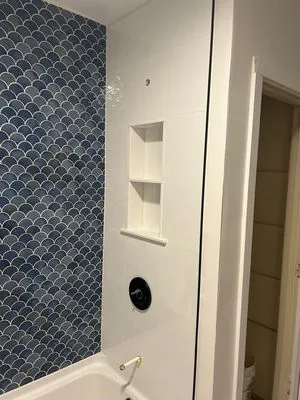
Maroney's Enterprise is a family-operated home services company in Walworth, NY, built on a lifelong passion for skilled trades. With over 17 years of hands-on experience and serving the community sin...
Monroe County Plumbing Services
Monroe County Plumbing Services is a locally owned and operated plumbing business serving Monroe County, NY, with 27 years of experience. Founded by Gary Raskopf, the company provides reliable plumbin...

Mr Rooter Plumbing
Mr. Rooter Plumbing of Rochester is your local, independently owned and operated plumbing service, built on a foundation of trust established over 50 years ago. We bring the reliability of a national ...

Rick Sanford of RSanford Services is a third-generation plumber with over two decades of experience serving Albion, NY, and the surrounding communities. Driven by a personal commitment to excellence a...
Main Line Plumbing
Main Line Plumbing is a licensed plumbing service founded in January 2021, serving Spencerport, NY, and the surrounding Rochester area. While the company is relatively new, our team brings over 75 yea...
Estimated Plumbing Costs in Rush, NY
Frequently Asked Questions
Could the flat terrain around Genesee Valley Greenway affect my home's drainage?
The plain terrain in Rush creates slow drainage that puts constant hydrostatic pressure on sewer main lines. Soil saturation from heavy rains or snowmelt can cause shifting that stresses pipe joints. Homes near Genesee Valley Greenway may experience backup issues during wet seasons because the flat landscape doesn't provide natural runoff. Proper grading around the foundation and scheduled drain cleaning prevent most drainage-related plumbing problems in this area.
How does having a private well and septic system change my plumbing maintenance needs?
Rural Rush homes with private wells and septic systems require different maintenance than municipal-service properties. Well pumps need periodic inspection for pressure switch issues and sediment buildup. Septic systems demand careful water usage management to avoid overloading the drain field. Unlike city water, well systems lack consistent pressure regulation, which can stress older galvanized pipes. I recommend annual well equipment checks and septic pumping every 3-5 years depending on household size.
How old are the pipes in my Rush Village home and what should I expect?
Galvanized steel pipes installed around 1938 are now 88 years old. At this age, homeowners in Rush Village commonly see rust-colored water, reduced flow from mineral buildup inside the pipes, and frequent leaks at threaded joints. The steel has likely corroded through in multiple spots, especially where pipes connect to fixtures. Many homes in the area need complete repiping rather than spot repairs due to widespread deterioration.
How quickly can a plumber reach my home in Rush during an emergency?
Heading past Genesee Valley Greenway on I-390 gets me into Rush Village within 45-60 minutes for most calls. That dispatch route covers the main residential areas efficiently. I keep a truck stocked for common Rush issues like burst pipes or well pump failures. For true emergencies like flooding, I can often trim that time by taking back roads when traffic allows.
What should I do to prevent frozen pipes during Rush winters?
With lows hitting 15°F and Rush being in the Snow Belt, insulate pipes in unheated crawl spaces and garage walls before Thanksgiving. Keep cabinet doors open under sinks to allow warm air circulation during cold snaps. During spring thaw when temperatures fluctuate dramatically, check for leaks where expanding ice may have cracked pipe joints. A pro-tip: install frost-proof sillcocks instead of standard outdoor spigots to prevent freeze damage at the wall penetration.
What permits do I need for plumbing work in Rush and who handles them?
The Town of Rush Building Department requires permits for most plumbing modifications, especially those involving well or septic systems. As a master plumber licensed through the New York Department of State Division of Licensing Services, I handle all permit applications and inspections for clients. This includes coordinating with the building department for rough-in inspections and final sign-offs. You avoid the red tape while ensuring work meets current New York plumbing code requirements for safety and resale value.
Why do my galvanized steel pipes keep springing pinhole leaks?
Galvanized steel installed in 1938 has reached the end of its functional lifespan. The zinc coating that once protected the steel has worn away, leaving bare iron exposed to water and oxygen. This causes pinhole leaks where corrosion eats through the thinnest sections of pipe wall. Joint calcification also occurs as minerals cement threaded connections, making repairs difficult without breaking adjacent pipe sections.
Does hard water from my private well damage plumbing fixtures?
Hard water containing dissolved minerals causes scale buildup that reduces efficiency and lifespan of water heaters, dishwashers, and faucets. In Rush homes with private wells, mineral deposits accumulate inside tank water heaters, reducing heating efficiency by up to 30% over time. Fixture aerators clog monthly without regular cleaning. Installing a whole-house water softener protects appliances and maintains consistent water pressure throughout the home.
