Top Emergency Plumbers in Royalton, NY, 14001 | Compare & Call

There are 140 plumbing companies server in Royalton NY
Brad Miller Miller's Plumbing & Excavating
Brad Miller Miller's Plumbing & Excavating is a trusted, full-service contractor serving Erie and the surrounding communities. For years, our team has helped local homeowners tackle the region's commo...
Jetter Drains is a trusted plumbing service provider in Dickson City, PA, specializing in a wide range of solutions from drain and sewer services to comprehensive plumbing and septic system work. We h...
Jon the Plumber is a family-owned plumbing service serving Buffalo, NY, and surrounding suburbs. Founded by Jon, a lifelong Buffalo resident who started plumbing in 2004, the business is built on loca...

Frank's Mr. Plumber brings reliable, Nexstar-certified plumbing solutions to Tonawanda and the greater Buffalo area. We operate on the principle that while no one loves to call a plumber, you should b...
Reliable Repairs Handyman Service is your trusted local handyman in Lockport, NY, specializing in comprehensive plumbing solutions to keep your home running smoothly. We understand that home upkeep sh...
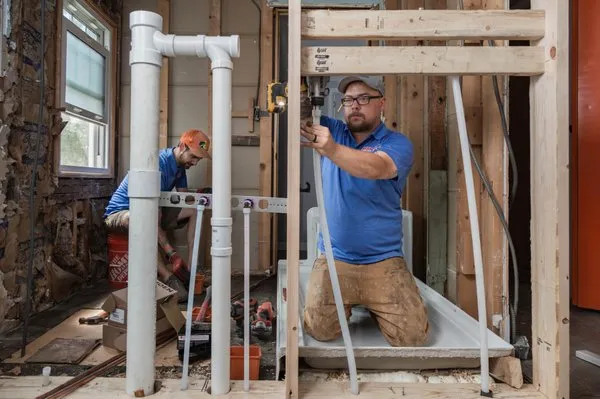
T-Mark Plumbing, Heating, Cooling & Electric - Clarence
For over 18 years, T-Mark Plumbing, Heating, Cooling & Electric has been a trusted name serving homeowners and commercial clients throughout Western New York. Founded and operated by local residents J...
Sewer Pro Plumbing
Sewer Pro Plumbing has been serving Cheektowaga homeowners for over 30 years with reliable residential plumbing solutions. As a licensed and insured local business, we provide comprehensive services i...
Zenner & Ritter
Zenner & Ritter is a family-owned and operated home services company that has been a cornerstone of the Buffalo, NY community since the late 1920s. Under the leadership of Barbara and her son Brian, t...
Roy's Plumbing Heating Cooling & Electrical
For over 50 years, Roy's Plumbing Heating Cooling & Electrical has been the trusted, family-operated choice for home comfort services in Tonawanda, NY. Founded in 1973 on the principle of always doing...
Musso Plumbing, Heating & Cooling
Founded in 1974 by Sal Musso, the youngest Master Plumber in New York at the time, Musso Plumbing, Heating & Cooling has grown from a single truck in Kenmore into a trusted, full-service provider for ...
Estimated Plumbing Costs in Royalton, NY
Frequently Asked Questions
Why am I getting rusty water and low pressure in my Gasport home?
Your galvanized steel plumbing lines are now about 68 years old. Installed around 1958, this material has a lifespan of 50-70 years. Mineral deposits and rust have been building inside the pipes for decades, narrowing the interior diameter to a fraction of its original size. Homeowners here are now routinely seeing the end-stage symptoms: persistent brown water and a noticeable drop in flow at fixtures.
How long does it take a plumber to get to my house in Royalton?
Our dispatch route typically has us heading past Royalton Ravine Park on NY-31. For a service call, you can expect us on site within 45 to 60 minutes from your call. We factor in local traffic and weather, especially during our snow belt winters, to give you that realistic window.
What permits do I need for a water heater replacement in Royalton?
Most plumbing replacements, like a water heater, require a permit from the Town of Royalton Building Department. As a master plumber licensed by the New York State Department of State Division of Licensing Services, I handle pulling that permit and scheduling the required inspections. This ensures the work meets current code for safety and proper venting, and I manage the red tape so you don't have to.
As a rural homeowner with a well, what should I watch for?
With a private well, your entire water system's health is your responsibility. Watch for changes in pressure, which could indicate a failing well pump or pressure tank. Listen for the pump short-cycling. Have your water tested periodically for hardness and contaminants, as that directly impacts appliance life and pipe corrosion. Your septic system's drain field location is also critical to avoid when planning any excavation.
What should I do to prevent frozen pipes in Royalton's winter?
Our average lows hit 16°F, and the spring thaw can cause its own issues. A key pro-tip is to disconnect and drain your outdoor hoses before the first hard freeze and shut off the interior valve to those spigots. Insulate pipes in unheated crawl spaces, and during extreme cold snaps, let a thin stream of water run from the faucet farthest from your main. Keep cabinet doors open to allow warm air to circulate around plumbing under sinks.
What causes those small, sudden leaks in my basement pipes?
Galvanized steel pipes from the late 1950s are prone to pinhole leaks, especially at threaded joints. The protective zinc coating wore off decades ago, leaving the underlying steel to corrode unevenly from the inside. This creates weak spots that finally give way, often first in areas with constant moisture or stress, like near the water meter or main shutoff.
Could the flat land around here be causing my slow drains?
The relatively plain terrain around Royalton Ravine Park can contribute to drainage issues. Without significant slope, waste lines rely more on proper pitch within the pipe itself to maintain flow. Over time, ground settling or improper initial installation can create low spots where water and debris collect, leading to chronic slow drains and increased risk of blockages in the main sewer line.
Does our Niagara River water damage my water heater?
The mineral content from the Niagara River watershed creates very hard water. This leads to rapid scale buildup inside your water heater tank and on heating elements. That insulating layer of scale forces the unit to work harder, shortening its lifespan and increasing energy bills. It also accelerates corrosion in fixtures and can clog aerators and showerheads.
