Top Emergency Plumbers in Richland, NY, 13083 | Compare & Call

There are 43 plumbing companies server in Richland NY
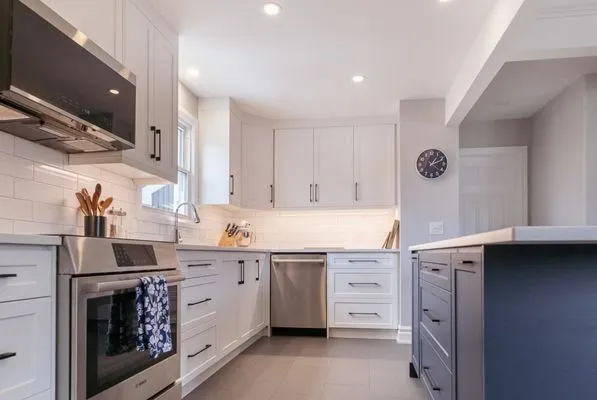
GEM is a Rochester, NY-based remodeling company serving Monroe and Wayne counties, specializing in transforming homes through comprehensive renovation services. We focus on kitchen and bathroom remode...
Blanding Plumbing is your trusted local plumbing service in Syracuse, NY. We understand that Syracuse homeowners face unique challenges like basement flooding from heavy lake-effect snowmelt and persi...
Superior Drain Solutions
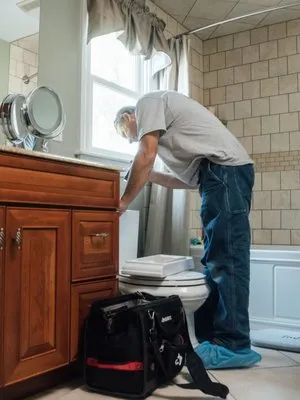
Superior Drain Solutions is a locally owned and operated plumbing and drain service company serving Brewerton and the surrounding communities. With a history rooted in a general contracting background...
DG Plumbing and Mechanical is a trusted local plumbing company in East Syracuse, NY, built on a foundation of family values and professional integrity. Originally founded as Griffin Plumbing by Master...
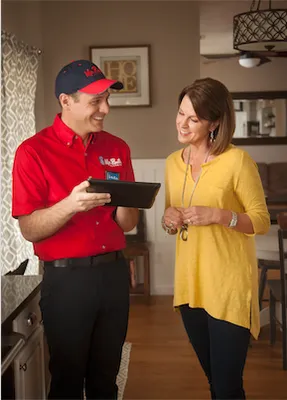
Mr. Rooter Plumbing of Greater Syracuse
Mr. Rooter Plumbing of Greater Syracuse is a family-owned and operated plumbing service serving Syracuse, NY, and the surrounding Central New York area since 1998. Founded by a family with sons Nichol...
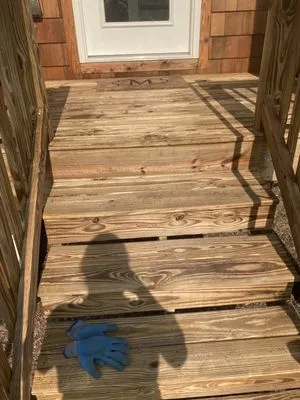
The HandyVan is a Syracuse-based handyman service founded in 2012 by a local professional who brings a unique blend of artistry and practical skill to every job. Growing up on a farm with an electrici...
Whales Plumbing & Excavation is a veteran-owned, full-service provider serving the Canastota community. We combine expertise in plumbing with light excavation to offer comprehensive solutions for home...
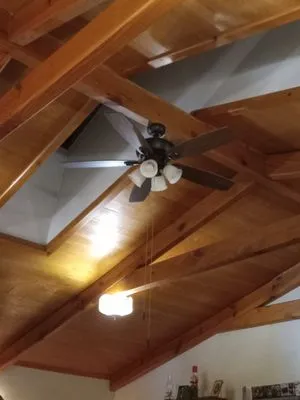
Sunshine Trade Services is your trusted, local handyman and trade specialist serving Syracuse, NY, and the surrounding communities. We understand the unique challenges Central New York homes face, esp...
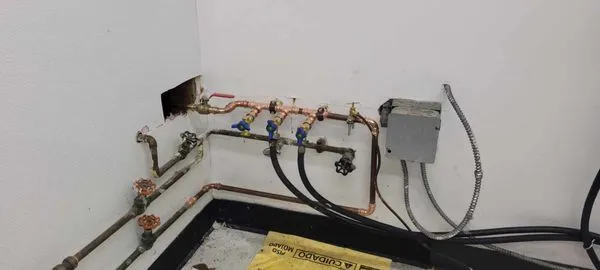
The Plumber in Fulton, NY is a family-owned plumbing service with four generations of expertise serving Central New York. We provide reliable residential plumbing repair and installation for toilets, ...
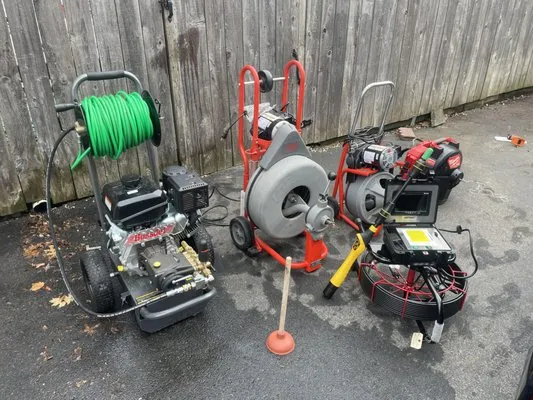
Integrity Plumbing and Drain Cleaning is a trusted local plumbing service based right in Fulton, NY. As a licensed and insured Master Plumber with over 13 years of hands-on experience, the owner has t...
Estimated Plumbing Costs in Richland, NY
Question Answers
Does hard water from my private well damage my plumbing fixtures?
Hard water contains high mineral content that causes scaling inside pipes, water heaters, and fixtures. Over time, scale buildup reduces water flow, increases pressure on pipes, and lowers water heater efficiency by insulating heating elements. Fixtures like faucets and showerheads develop mineral deposits that affect performance and require frequent cleaning. Installing a water softener or regular descaling can mitigate these effects and extend your plumbing system's life.
Why do my pipes keep springing small leaks even after repairs?
Galvanized steel pipes from 1964 often develop pinhole leaks due to internal corrosion and scale buildup. As the zinc coating wears off over decades, the underlying steel rusts, creating weak spots that eventually perforate. Joint calcification from hard water minerals can also stress connections, causing them to fail. These leaks typically start small but worsen quickly, indicating systemic pipe deterioration rather than isolated damage.
How quickly can a plumber reach my home in Richland during an emergency?
Heading past Salmon River Falls on I-81, a dispatch route covers about 45-60 minutes depending on weather and traffic. This route provides direct access to most parts of Richland, including Pulaski Village. We monitor road conditions closely, especially during winter months when snow can slow travel. Having a local plumber familiar with these roads ensures timely arrival to address urgent issues like burst pipes or water heater failures.
Do I need permits for plumbing work in Richland, and how does that process work?
Town of Richland Code Enforcement requires permits for most plumbing installations or major repairs. As a licensed professional through the New York State Department of State Division of Licensing Services, I handle the red tape so you don't have to. This includes submitting plans, scheduling inspections, and ensuring compliance with local codes. Proper permitting avoids fines and ensures work meets safety standards, protecting your home's value and functionality.
My house in Pulaski Village was built around 1964—should I be worried about my plumbing?
Galvanized steel pipes installed in 1964 are now 62 years old, which is well beyond their typical 40-50 year lifespan. Homeowners in Pulaski Village often notice reduced water pressure, rust-colored water, or frequent leaks as the interior walls corrode and mineral deposits accumulate. These pipes become brittle and prone to failure, especially at threaded joints. Replacing them before a major failure prevents extensive water damage and maintains reliable water flow.
Could the hilly terrain around Salmon River Falls affect my home's drainage?
Hilly slopes in the area can stress main water lines and drainage systems due to soil shifting and erosion. Water runoff during heavy rains or snowmelt may overwhelm drainage paths, leading to basement flooding or sewer backups. Proper grading around your home directs water away from the foundation. Installing backflow preventers and ensuring cleanouts are accessible helps manage these terrain-related challenges and protects your plumbing from external pressure.
As a rural homeowner with a private well and septic system, what maintenance is critical?
Private wells require regular testing for water quality and pressure checks to ensure consistent supply. Septic systems need periodic pumping every 3-5 years to prevent backups and soil contamination. Monitor for signs like slow drains, gurgling sounds, or foul odors, which indicate potential issues. Maintaining both systems prevents cross-contamination and ensures reliable water and waste management without relying on municipal services.
What should I do to prevent frozen pipes during Richland's cold winters?
With lows around 12°F and spring thaw causing temperature swings, insulate exposed pipes in unheated areas like basements or crawl spaces. Keep cabinet doors open to allow warm air circulation around plumbing during extreme cold. Let faucets drip slightly to maintain water movement, which prevents freezing. Before winter, disconnect garden hoses and shut off outdoor water valves. These steps reduce the risk of burst pipes during freeze-thaw cycles common in this snow belt region.
