Top Emergency Plumbers in Ransomville, NY, 14131 | Compare & Call

There are 30 plumbing companies server in Ransomville NY

Frank's Mr. Plumber brings reliable, Nexstar-certified plumbing solutions to Tonawanda and the greater Buffalo area. We operate on the principle that while no one loves to call a plumber, you should b...
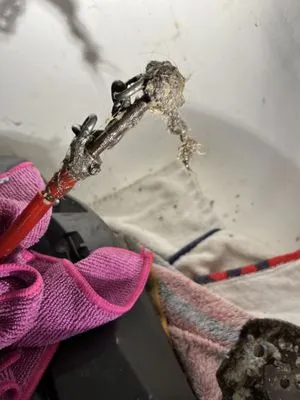
Reliable Repairs Handyman Service is your trusted local handyman in Lockport, NY, specializing in comprehensive plumbing solutions to keep your home running smoothly. We understand that home upkeep sh...
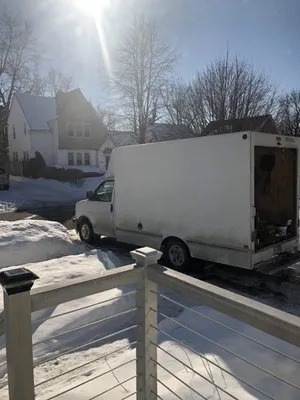
Zenner & Ritter
Zenner & Ritter is a family-owned and operated home services company that has been a cornerstone of the Buffalo, NY community since the late 1920s. Under the leadership of Barbara and her son Brian, t...
Roy's Plumbing Heating Cooling & Electrical
For over 50 years, Roy's Plumbing Heating Cooling & Electrical has been the trusted, family-operated choice for home comfort services in Tonawanda, NY. Founded in 1973 on the principle of always doing...
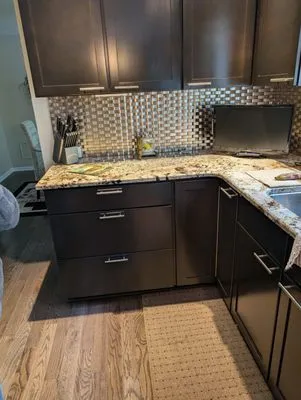
The Handymen serves West Seneca homeowners with a comprehensive range of repair, installation, and maintenance services. From plumbing and electrical work to drywall, painting, and tile, we handle the...
Bright Star Plumbing and Contracting
Bright Star Plumbing and Contracting is a fully licensed and insured plumbing company serving both residential and commercial clients in Niagara Falls, NY. We are honest plumbers committed to providin...
The Hot Water People is a trusted plumbing service based in Buffalo, NY, specializing in comprehensive residential and commercial plumbing solutions. We handle everything from water heater installatio...

Seven One Fixers is a trusted home improvement contractor serving Buffalo, NY and surrounding communities. We provide comprehensive residential services including electrical work, plumbing, remodeling...
For over 40 years, J.A. Brundage - The Drain Doctor has been a trusted plumbing and septic service provider in Western New York. Our commitment is to be the first choice in the Niagara Falls area by d...
For over 30 years, Kimil Construction has been a foundational part of Buffalo's construction and plumbing landscape. Founded in 1990, the company provides comprehensive plumbing solutions, handling ev...
Estimated Plumbing Costs in Ransomville, NY
Q&A
How quickly can a plumber reach my house in Ransomville?
Heading past Krull Park on NY-93, most dispatch routes cover the Hamlet in 45-60 minutes. Traffic is light, but winter conditions on NY-93 can slow travel during snow events. We plan routes to avoid bottlenecks, so emergency calls get a truck rolling promptly from the local service area.
As a rural homeowner, what plumbing systems need special attention?
Well pumps and septic systems require regular maintenance—check pressure tanks annually and pump the septic tank every 3-5 years. Rural areas lack municipal pressure, so well components like the pressure switch and bladder tank are critical. Keep trees away from septic fields to prevent root intrusion into drainage lines.
Why do my old pipes keep springing leaks even after repairs?
Galvanized steel from 1959 suffers from joint calcification and internal scale buildup that weakens the pipe walls. Pinhole leaks often reappear nearby because the entire section is corroded. Spot repairs are temporary; the underlying issue is systemic corrosion that requires section replacement or full repiping to resolve permanently.
Does Niagara River water damage plumbing fixtures over time?
Hard water from the Niagara River causes scale buildup that reduces efficiency in water heaters and clogs aerators on faucets. Anode rods in water heaters corrode faster, shortening their lifespan. Installing a water softener or using vinegar descaling treatments on fixtures can mitigate these effects and extend appliance life.
Who handles permits for plumbing work in the Town of Porter?
I file all required permits with the Town of Porter Building Department and maintain New York State Department of State credentials. Homeowners don’t need to navigate red tape; I ensure installations meet current codes and pass inspections. This covers everything from water heater replacements to full repiping projects.
Could the flat land around Krull Park cause drainage issues with my main line?
Plain terrain here allows slow drainage that can lead to soil saturation around the main line. Over time, this puts stress on pipe joints and may cause settling or misalignment. Ensuring proper grading away from the foundation and installing a backwater valve can prevent backups during heavy rain or snowmelt.
My Ransomville home was built around 1960—should I be worried about the plumbing?
Galvanized steel pipes installed in 1959 are now 67 years old. Homeowners in Ransomville Hamlet are seeing frequent pinhole leaks, reduced water pressure from internal corrosion, and rust-colored water. This material typically fails between 40-70 years, so many systems here are at the end of their service life. Replacing sections or repiping with modern materials like PEX or copper prevents sudden failures.
What should I do before spring thaw to avoid plumbing problems?
Insulate exposed pipes in crawl spaces and shut off exterior hose bibs before temperatures drop to 18°F. During spring thaw, check for leaks where pipes may have frozen and expanded. This Snow Belt pro-tip: keep cabinet doors open to let warm air circulate around pipes under sinks during cold snaps.
