Top Emergency Plumbers in Princetown, NY, 12056 | Compare & Call

There are 235 plumbing companies server in Princetown NY
Browns Plumbing Heating and Air Conditioning
Browns Plumbing Heating and Air Conditioning is a trusted local provider in Cornwall-on-Hudson, NY, dedicated to the comfort and reliability of your home's essential systems. We specialize in professi...
Craig Can Help is your trusted local handyman service in Sidney Center, NY, specializing in a wide range of home maintenance and improvement tasks. From handyman assembly and repair to door installati...
Roberto Plumbing & Heating has been serving Woodstock, NY, and the broader Hudson Valley region for over 20 years, building a trusted reputation for reliable plumbing and HVAC services. We specialize ...
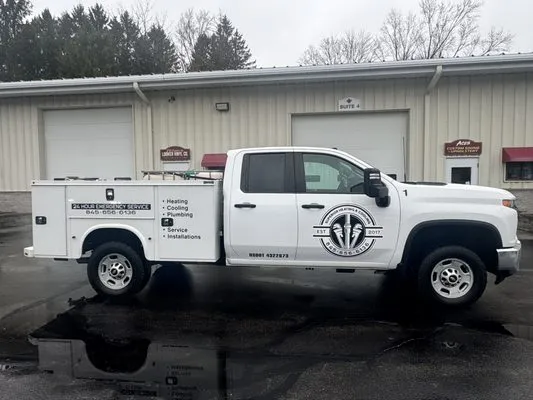
Superior Heating & Cooling
Superior Heating & Cooling is a family-owned and operated HVAC and plumbing business serving Salt Point and the surrounding communities. Founded in 2017, the company is built on over two decades of co...
Roto-Rooter
Roto-Rooter in Narrowsburg is a locally owned and operated franchise with deep roots in the community. Founded by Jack and Beth Lang in the 1960s, the business has been a family endeavor for generatio...
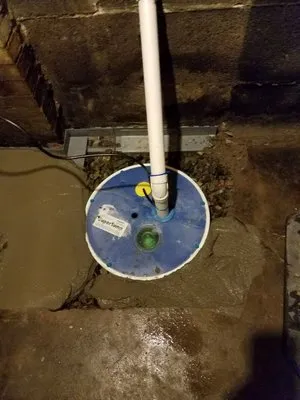
SouthernTier Basement Systems
SouthernTier Basement Systems is a locally owned and operated basement waterproofing and crawl space repair contractor serving the Southern Tier of New York, including Endwell, since 2009. As your loc...

Miller's Sewer & Drain Services is a trusted, locally-owned plumbing company serving Albany, NY, and the surrounding Capital Region. We specialize in the full spectrum of sewer, drain, and water syste...
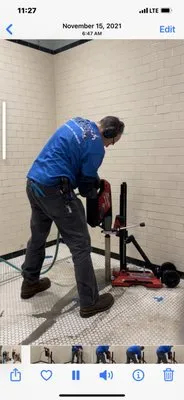
Since 1999, Revenge Plumbing has been the trusted local plumbing partner for homeowners and businesses in Colonie and the surrounding Capital Region. Founded on a commitment to clear communication and...
Precision Plumbing has been a trusted, family-run plumbing service in Albany and New York's Capital Region since 1973. Originally founded as 'A Real Plumber,' we are a third-generation company with ov...

Chris Collins Plumbing provides reliable, expert plumbing services for homes in Delmar, NY, and the surrounding Capital Region. Many local residents face common issues like dishwasher leaks and stubbo...
Estimated Plumbing Costs in Princetown, NY
Questions and Answers
What permits are needed for a water heater replacement in Princetown?
The Town of Princetown Building Department requires a permit for a water heater replacement, as it involves both plumbing and potential electrical or gas work. As a master plumber licensed by the New York State Department of State Division of Licensing Services, I pull all required permits, schedule the inspections, and ensure the installation meets all current code. My job is to handle that red tape so you don't have to worry about compliance or future issues when you sell your home.
Does well water ruin water heaters faster?
Yes, private well water with high mineral content is the main cause of premature water heater failure here. Hard water causes scale to cement itself to the tank's heating elements and interior lining, reducing efficiency and causing overheating. Anode rods, which are designed to corrode instead of the tank, get consumed rapidly. Installing a whole-house water softener is the single most effective step to protect a new water heater and all your fixtures.
How long does it take a plumber to get to Princetown?
From my shop near Mariaville Lake, a standard dispatch heads up I-88, taking the Princetown exit. That's typically a 45 to 60 minute drive. I keep a stocked service van for common parts, so for most calls—like a failed water heater or a burst pipe—I can diagnose and begin the repair on that first trip. For complex repipes, I'll schedule a longer site visit to plan the job properly.
Could my home's hill slope be causing plumbing problems?
Hilly terrain, like around Mariaville Lake, directly stresses plumbing. The main water line from your well to the house can settle or shift over time, stressing fittings. More commonly, drainage issues arise; down-slope fixtures may drain slowly if the sewer lateral has a belly or sag from soil movement, while up-slope fixtures can lose prime in P-traps. Proper grading away from the foundation is critical to avoid water backing up into a basement drain.
What's the best way to prevent frozen pipes in a Princetown winter?
The key is action before the deep cold, like the 14-degree lows we see. Every fall, disconnect and drain outdoor hoses, and shut off the interior valve to exterior spigots. For crawl spaces or basements on a hillside, ensure vents are closed and consider insulating pipes on north-facing walls. A pro-tip: let a faucet drip from the fixture farthest from your well tank during a hard freeze; moving water is much harder to freeze solid.
Why do my copper pipes keep springing pinhole leaks?
Pinhole leaks in 48-year-old copper are often due to a combination of age and localized corrosion. Over decades, microscopic imperfections in the pipe wall or areas of high water velocity can erode. In Princetown's hard water, mineral scale buildup can create a corrosive environment underneath it, accelerating this process. The leak usually appears at the thinnest point, which is why they often erupt in clusters along a horizontal run.
Are copper pipes from the 70s still good in Princetown?
Copper pipes installed around 1978 are now 48 years old. Homeowners in Princetown Center are starting to see chronic pinhole leaks, especially at solder joints and where pipes contact framing. This is a predictable failure phase for copper of this vintage in our area, where decades of hard water have thinned the interior walls. Repairs become more frequent, and a full repipe assessment is often more cost-effective than chasing individual leaks year after year.
Is plumbing different for a rural home with a well and septic?
Absolutely. A rural system is self-contained. Well pump pressure and the septic field's health are your responsibility. I often see issues where a failing pressure tank causes short cycling that hammers pipes, or where garbage disposals and improper products clog the septic tank. It's a different mindset than city water and sewer; you must maintain both the supply and the waste systems, as they directly impact each other.
