Top Emergency Plumbers in Port Dickinson, NY, 13901 | Compare & Call

There are 62 plumbing companies server in Port Dickinson NY
C.S. Ashley Plumbing Company is a local, owner-operated plumbing and HVAC service serving New Milford, PA, and the greater Binghamton area. As a Licensed Master Plumber with over two decades of hands-...
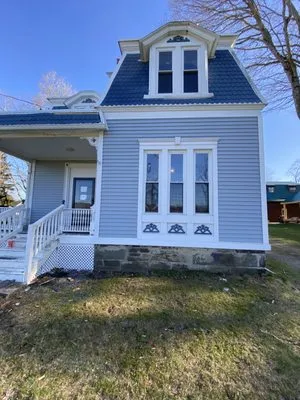
Trinity Handyman Services is a trusted local provider in Montrose, PA, offering comprehensive home maintenance and repair solutions. With expertise spanning appliance installation and repair, plumbing...
NEPA Handyman serves homeowners and businesses in Montrose, PA, providing reliable repair and installation services to keep local properties functioning smoothly. Many Montrose homes face common issue...
R and R Contracting is a true Hallstead family business, proudly serving our neighbors for over 20 years. Founded by my grandfather and now operated by me, our hands-on approach means I'm right there ...
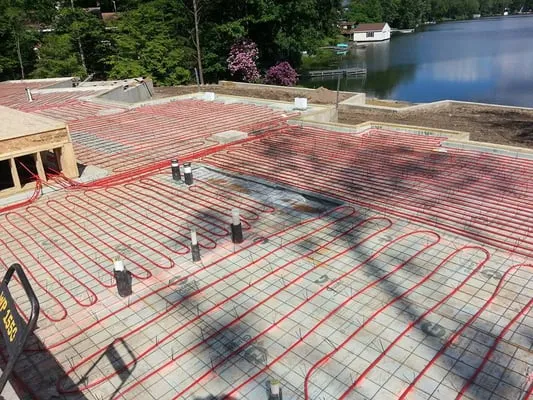
Innovative Energy Group is a trusted, locally-owned HVAC and plumbing company serving Montrose, PA, and surrounding areas. Founded in 2012 by TR, a Montrose native with over 18 years of industry exper...
Craig Can Help is your trusted local handyman service in Sidney Center, NY, specializing in a wide range of home maintenance and improvement tasks. From handyman assembly and repair to door installati...
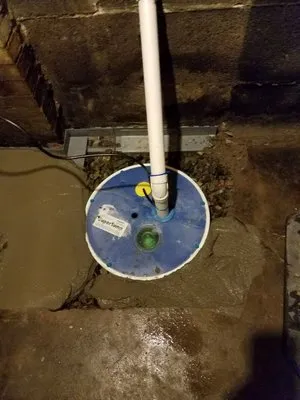
SouthernTier Basement Systems
SouthernTier Basement Systems is a locally owned and operated basement waterproofing and crawl space repair contractor serving the Southern Tier of New York, including Endwell, since 2009. As your loc...
Precision Home Improvements & Property Management
Precision Home Improvements & Property Management helps Cincinattaus homeowners enhance and maintain their properties. We understand that your home is your sanctuary, and sometimes it needs to adapt—w...
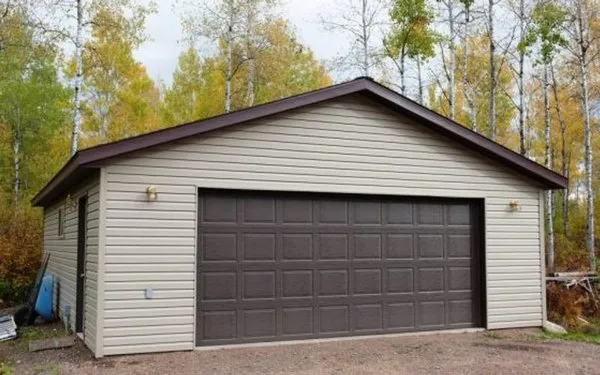
AMR Construction is a family-owned and operated business serving Binghamton, Broome County, Tioga County, and the surrounding Southern Tier. With over 15 years of hands-on experience, owner Anthony M....
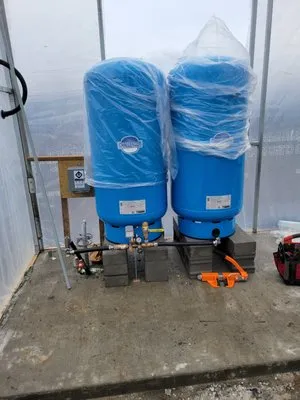
For over a decade, EZ-CO Plumbing has been the trusted local plumbing service for Sherburne, NY, and the surrounding communities. Founded and operated by Mike, the company is built on a passion for re...
Estimated Plumbing Costs in Port Dickinson, NY
Questions and Answers
Who handles permits for plumbing work in Port Dickinson?
I file all required paperwork with the Village of Port Dickinson Building Department and maintain current credentials through the New York Department of State Division of Licensing Services. This includes permits for water heater replacements, pipe rerouting, and sewer line repairs. Handling the red tape means your project meets local codes without you navigating bureaucratic processes. Licensed work comes with proper inspections and documentation.
What should I do before spring thaw to prevent plumbing issues?
Before temperatures rise above freezing, disconnect garden hoses and shut off exterior water valves. Insulate pipes in unheated crawl spaces or basements, especially on north-facing walls where cold persists. Check for foundation cracks that could let cold air reach plumbing. These steps prevent burst pipes when overnight lows still hit 15°F but daytime thaws begin.
How quickly can a plumber reach my house in Port Dickinson?
Heading past Chenango River on I-81 gets me to most Port Dickinson addresses within 15-25 minutes. I keep a truck stocked for common local issues like galvanized pipe failures and water heater scaling. That dispatch route avoids traffic bottlenecks while covering the village's residential areas efficiently. You'll see my marked vehicle pulling up while the problem is still fresh.
Can Port Dickinson's hilly landscape affect my home's drainage?
The slope toward Chenango River creates drainage challenges that stress main sewer lines. Gravity pulls wastewater downhill, but soil shifting on slopes can misalign pipe joints over time. Heavy rain saturates the hillside soil, increasing pressure on buried lines. Properties at elevation changes often experience more frequent blockages and need regular line inspections.
Does Susquehanna River water damage home plumbing systems?
Water from the Susquehanna River contains minerals that create hard water conditions throughout Port Dickinson. This leads to scale buildup inside water heaters, reducing efficiency and shortening their lifespan. Fixtures develop mineral deposits around aerators and valves, causing drips and reduced flow. The scaling problem accelerates in galvanized pipes because the rough interior surface traps minerals.
How does Port Dickinson's suburban setup impact plumbing maintenance?
Municipal water pressure in Port Dickinson's suburban system typically runs higher than in rural areas, which stresses aging galvanized pipes. Tree roots seek out water lines in residential yards, invading lateral connections between houses and main sewer lines. Most homes share standard connection types, making repairs predictable once you know the neighborhood's infrastructure patterns.
Why are so many Port Dickinson homes having plumbing problems lately?
Port Dickinson's original galvanized steel plumbing is now 84 years old, having been installed around 1942. Homeowners in Village Center are seeing widespread rust buildup and reduced water pressure as these pipes reach the end of their service life. The steel corrodes from the inside out, leaving mineral deposits that restrict flow. Many properties are experiencing multiple leaks simultaneously, which is typical for infrastructure at this age.
What causes those small leaks in old Port Dickinson pipes?
Galvanized steel pipes from 1942 develop pinhole leaks as the zinc coating wears off and the underlying steel corrodes. Joint calcification is another issue where mineral deposits build up at connections, creating weak points. These failures often start in hidden areas like crawl spaces or behind walls. Once one pinhole appears, others typically follow throughout the system.
