Top Emergency Plumbers in Poestenkill, NY, 12018 | Compare & Call

There are 95 plumbing companies server in Poestenkill NY
Browns Plumbing Heating and Air Conditioning
Browns Plumbing Heating and Air Conditioning is a trusted local provider in Cornwall-on-Hudson, NY, dedicated to the comfort and reliability of your home's essential systems. We specialize in professi...

Roberto Plumbing & Heating has been serving Woodstock, NY, and the broader Hudson Valley region for over 20 years, building a trusted reputation for reliable plumbing and HVAC services. We specialize ...
Flexible Plumbing
Founded in 2000, Flexible Plumbing is a trusted local provider for the Florida, NY, and Hudson Valley community. We specialize in comprehensive plumbing, heating, and remodeling services, from emergen...
Reliable Lawn Maintenance has been serving the Hudson Valley region since 2000, providing dependable property maintenance services with a personal touch. Owner-operator James Cassese leads a team dedi...
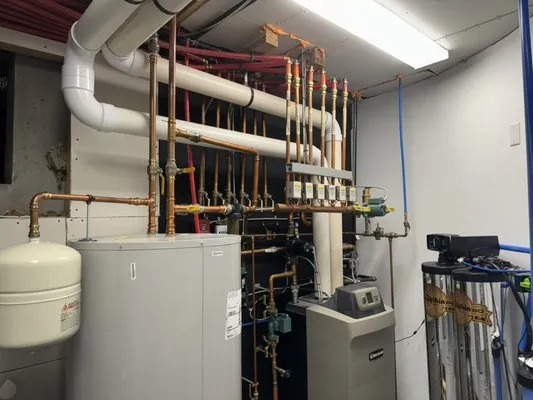
Bob's Professional Services Group LLC is a family-owned and operated business serving Woodbury and the surrounding area, specializing in HVAC, electrical, and plumbing work. We believe in providing re...

Miller's Sewer & Drain Services is a trusted, locally-owned plumbing company serving Albany, NY, and the surrounding Capital Region. We specialize in the full spectrum of sewer, drain, and water syste...
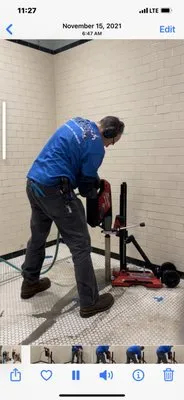
Since 1999, Revenge Plumbing has been the trusted local plumbing partner for homeowners and businesses in Colonie and the surrounding Capital Region. Founded on a commitment to clear communication and...

Precision Plumbing has been a trusted, family-run plumbing service in Albany and New York's Capital Region since 1973. Originally founded as 'A Real Plumber,' we are a third-generation company with ov...
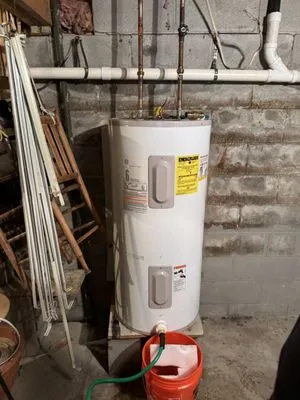
Linear Plumbing & Drain Cleaning provides reliable plumbing services for Albany and the surrounding communities. As a water heater specialist, we offer comprehensive solutions for installations, repai...
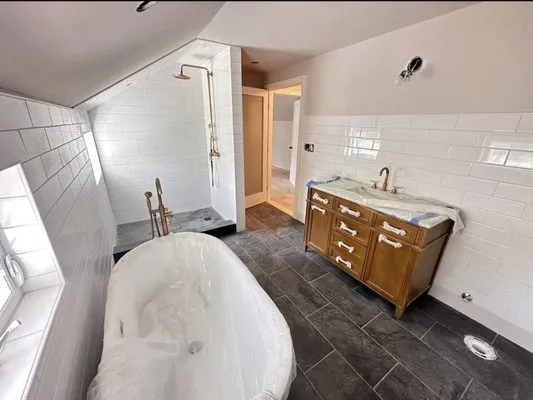
For over 15 years, Kushtrim Shala and the team at Klea General Contracting have been a trusted plumbing and contracting resource for the Capital Region, with deep roots in Albany and Troy. Licensed an...
Estimated Plumbing Costs in Poestenkill, NY
FAQs
As a rural homeowner, what plumbing system should I pay most attention to?
Your septic system and well pump require scheduled maintenance, unlike a municipal connection. The septic should be inspected and pumped every 3-5 years, depending on household size. For the well, listen for short cycling of the pressure tank, which indicates a failing bladder or switch. A sudden change in water quality, like sediment or brown water, can signal a problem with the well casing or pump itself.
How long do galvanized pipes last in Poestenkill?
Your plumbing system is likely at the end of its service life. Galvanized steel installed around 1950 is now 76 years old. In Poestenkill Hamlet, we see these pipes failing from the inside out, with rust buildup causing low water pressure at multiple faucets simultaneously. The pipe walls thin over decades, making them prone to sudden ruptures, especially at threaded joints. It is not a question of if they will fail, but when.
Could the hills here be causing my drainage problems?
Absolutely. The hilly terrain around Poestenkill Falls dictates how water moves. If your home is situated on a slope, surface runoff and groundwater can put constant hydrostatic pressure on your foundation and basement. This often overwhelms perimeter drains or a sump pump system. Proper grading away from the house is the first defense, ensuring water sheds away from your foundation instead of pooling against it.
What's the most important thing to do for my pipes before winter in Poestenkill?
Drain and shut off any exterior hose bibs before temperatures hit that 14-degree low. Air chambers inside walls that feed these lines are common freeze points. For homes with crawl spaces, insulating any pipes in those exterior walls is critical. The spring thaw brings its own issues, as ground saturation can shift foundations and stress main water lines entering the home.
How fast can a plumber get to my house in Poestenkill?
My typical dispatch route has me heading past Poestenkill Falls on NY-351. From there, I navigate the local roads to reach you. A 45 to 60 minute response window is standard for the area, accounting for the rural road network and weather. For active leaks, I prioritize these calls and communicate my ETA directly so you know what to expect.
Why do my old pipes keep springing pinhole leaks?
Galvanized steel from the 1950s corrodes internally. Scale and rust accumulate, creating uneven pressure points that eventually wear a microscopic hole in the pipe wall. These pinhole leaks often appear on horizontal runs or just above joints. In Poestenkill, the hard water accelerates this process. The repair is usually a section replacement, as patching old galvanized is rarely a permanent fix.
What permits do I need for a water heater replacement in Poestenkill?
Most plumbing work, including water heater replacement, requires a permit from the Town of Poestenkill Building Department. As a master plumber licensed by the New York State Department of State, I pull those permits and schedule the required inspections. This process ensures the installation meets current code for safety and insurance purposes. My job is to handle that red tape so your project is documented and compliant.
Does well water ruin water heaters faster?
Private wells in our area supply hard water, which carries a high mineral content. Those minerals, primarily calcium and magnesium, precipitate out as scale inside your water heater tank and on heating elements. This scale buildup insulates the elements, forcing them to work harder and fail sooner, while also reducing tank capacity. An annual flush of the tank can mitigate this, but a water softener is the definitive solution for longevity.
