Top Emergency Plumbers in Plandome, NY, 11030 | Compare & Call

There are 239 plumbing companies server in Plandome NY
Paramus Plumbing & Mechanical
Founded in 2007, Paramus Plumbing & Mechanical has grown from a dedicated plumbing service into a versatile mechanical contracting firm serving all of Bergen County. We are a union-organized company c...
Schaaf Plumbing & Heating
Serving the Ridgefield community and surrounding Bergen and Hudson counties for over a century, Schaaf Plumbing & Heating is a family-owned business built on reliable, expert service. Since 1941, our ...
J & C Plumbing, Heating & Home Improvement
For over 25 years, J & C Plumbing, Heating & Home Improvement has been a trusted provider for homeowners throughout Closter and Bergen County. As a fully licensed, insured, and bonded company, we buil...
Anthony Plumbing is a family-owned plumbing service in Boonton, NJ, founded by Fernando Fernandez and named after his son, Anthony. With 30 years of experience, Fernando has turned plumbing into a pas...
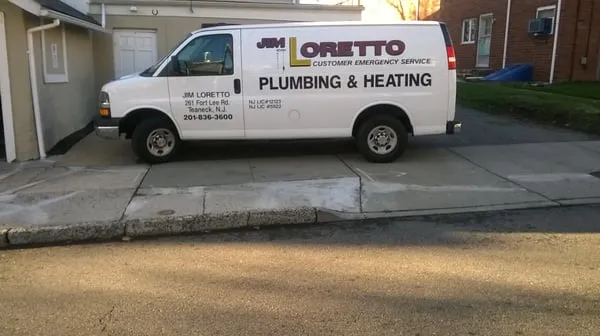
Loretto Plumbing is a trusted, locally-owned plumbing service in Teaneck, NJ, dedicated to keeping homes and businesses running smoothly. We specialize in drain repair, faucet installation, plumbing i...
Bullseye Mechanical Corp.
For over 20 years, Bullseye Mechanical Corp. has been the reliable plumbing and heating expert for New York City. We take immense pride in our trade, handling everything from routine faucet repairs to...

Stitch Coterie is a Manhattan-based home renovation company founded in 2009 by two brothers with deep expertise in plumbing, HVAC, and mechanical systems. With over a decade of experience serving New ...
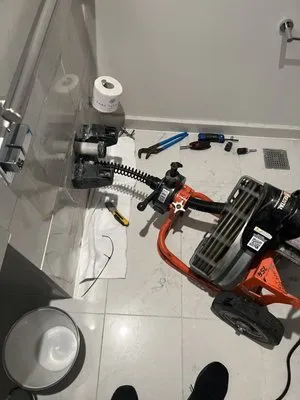
ASAP Solutions, founded in 2009 by Udi, is a licensed and insured contractor serving Manhattan and the five boroughs. We are a one-stop shop for plumbing, electrical, and general maintenance, providin...
Pipe Monkeys Sewer and Drain, Inc. is your local Maspeth plumbing expert. Founded in 2018, owner Kyriakos brings over a decade of hands-on experience to every job, specializing in the intricacies of s...
GME Plumbing & Heating
GME Plumbing & Heating is a locally owned and operated business serving Bronx Park and the surrounding areas since 2008. Founded on a commitment to integrity and reliable service, we focus on providin...
Estimated Plumbing Costs in Plandome, NY
FAQs
Could the hilly land around Plandome Village Green affect my sewer line?
The coastal slope and soil composition here do impact drainage. A lateral sewer line running downhill from your home can experience increased stress at joints from soil shifting and settling over time. This can lead to a belly or a separation in the line, causing recurring blockages. For homes built into the grade, surface water runoff during heavy rain can also saturate the soil around the main line, increasing hydrostatic pressure.
Should I do anything special with my plumbing before spring?
The spring thaw, when temperatures consistently rise above freezing, is a peak time for leaks in older systems. A specific pro-tip for our temperate climate is to check the pressure reducing valve on your main water line in late winter. A failing PRV can cause pressure spikes that stress old galvanized joints. Also, ensure any exterior hose bibs were properly winterized, as a late freeze can still occur even with our 26-degree average lows.
As a suburban home, what are the main plumbing issues I should watch for?
The primary concerns in a suburban setting like Plandome involve the interface with municipal systems. Tree roots seeking water are a constant threat to older clay or cast iron sewer laterals. Municipal water pressure, while generally consistent, can fluctuate and exacerbate weaknesses in aged galvanized piping. Unlike rural properties with wells and septic, your focus is on maintaining the integrity of the service lines from the village main to your house.
Who handles the permits if I need to repipe my house?
All plumbing work requiring a permit is filed with the Incorporated Village of Plandome Building Department. As a Master Plumber licensed by the Nassau County Board of Examiners, I handle that red tape so you don't have to. This includes submitting detailed plans, scheduling required inspections, and ensuring the work meets all current code amendments for the village. The process is straightforward when managed by a credentialed professional familiar with local requirements.
What's actually failing inside my old galvanized pipes?
Galvanized steel from 1938 suffers from two primary technical failures. First, joint calcification occurs where threaded fittings are completely sealed shut by mineral deposits, stopping water flow. Second, pinhole leaks develop where the protective zinc coating has eroded, allowing the base steel to rust through from the inside out. These leaks often start at the bottom of horizontal runs or at fittings, where water and oxygen collect.
How fast can a plumber get to my home in Plandome for an emergency?
Heading past Plandome Village Green to access I-495 provides a direct route from our shop. We can typically be on-site within 20 to 30 minutes for urgent calls. This dispatch path avoids the main commercial traffic corridors, allowing us to reach most addresses in the village efficiently. Our vans are stocked for common local emergencies like burst supply lines or failed water heaters.
Does our local Manhasset-Lakeville water cause problems for appliances?
The district's hard water leads to significant scale buildup inside appliances. Water heaters are particularly affected; sediment accumulation on the bottom of the tank insulates the heating element, causing it to overwork and fail prematurely. You will also see scale crusting on showerheads and faucet aerators, which reduces flow. Installing a whole-house water softener can protect new plumbing and extend appliance lifespan by decades.
My Plandome house has original galvanized pipes and I'm getting low water pressure. Is this normal?
That low pressure is the most common symptom of 88-year-old galvanized steel. Pipes installed around 1938 have accumulated over eight decades of hard water scale, which is now constricting the interior diameter to the size of a pencil in some homes near Plandome Village Center. This buildup is permanent and will not improve. The pipe walls themselves are also thinning from internal corrosion, which leads to the next stage of failure: pinhole leaks and sudden rust-colored water.
