Top Emergency Plumbers in Pittstown, NY, 12028 | Compare & Call

There are 238 plumbing companies server in Pittstown NY
Browns Plumbing Heating and Air Conditioning
Browns Plumbing Heating and Air Conditioning is a trusted local provider in Cornwall-on-Hudson, NY, dedicated to the comfort and reliability of your home's essential systems. We specialize in professi...
Spano Brothers is a trusted, family-owned plumbing company serving Yonkers, NY, and the surrounding Westchester communities. With deep roots in the area, they understand the specific plumbing challeng...
Saggese Plumbing & Gas
Saggese Plumbing & Gas is a fully licensed, bonded, and insured plumbing contractor serving Campbell Hall and the wider Hudson Valley. We provide a comprehensive range of services to meet the needs of...
Affordable Plumbing
We're a family-owned, fully insured plumbing business serving Walden and the Hudson Valley. With over a decade of experience, our commitment is to provide honest, fair, and reliable service for both r...
TNT Mechanical is a family-owned and operated business serving the Wallkill, NY community with over 15 years of hands-on experience. Specializing in HVAC, plumbing, refrigeration, and electrical servi...
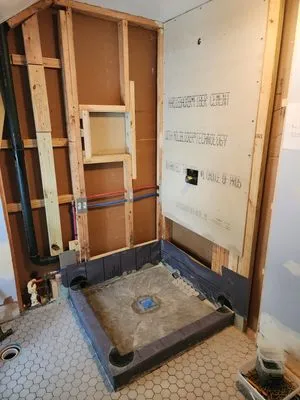
Buildology in Kerhonkson, NY, is a residential construction company founded by artists—an actor/filmmaker and a painter—who bring a creative vision to building. We specialize in custom homes, renovati...
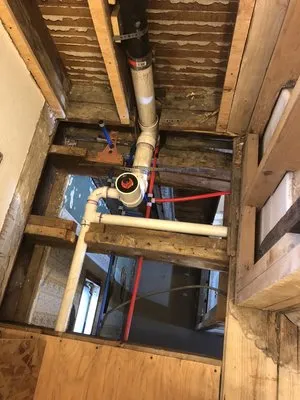
Lakeside Plumbing, Heating, and Cooling
Lakeside Plumbing, Heating, and Cooling was founded by a local professional who saw an opportunity to serve Hopewell Junction homeowners better. Driven by a commitment to quality workmanship and fair ...
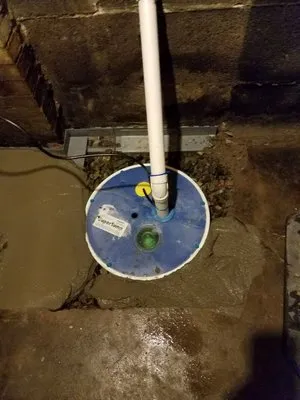
SouthernTier Basement Systems
SouthernTier Basement Systems is a locally owned and operated basement waterproofing and crawl space repair contractor serving the Southern Tier of New York, including Endwell, since 2009. As your loc...

Miller's Sewer & Drain Services is a trusted, locally-owned plumbing company serving Albany, NY, and the surrounding Capital Region. We specialize in the full spectrum of sewer, drain, and water syste...
Since 1999, Revenge Plumbing has been the trusted local plumbing partner for homeowners and businesses in Colonie and the surrounding Capital Region. Founded on a commitment to clear communication and...
Estimated Plumbing Costs in Pittstown, NY
Common Questions
Why do my 1970s copper pipes keep springing pinhole leaks?
Copper from that era is failing due to a combination of age and water chemistry. The solder joints and the pipe wall itself thin from internal corrosion and scaling. Pinhole leaks often start at joints or where the pipe contacts a bracket. This isn't a spot repair issue; it indicates the system's integrity is compromised and sections likely need replacement.
My copper pipes are from 1971 and I'm seeing blue-green stains. Is this normal for my age of plumbing?
That 55-year age is the key. Copper installed in 1971 is now well past its typical lifespan. In Pittstown Corners, homeowners are seeing pinhole leaks and that blue-green patina, which is corrosion. Water chemistry from private wells and decades of mineral interaction accelerates this wear. It's a systemic issue for houses built in that era, not just a random leak.
How long does it take for a plumber to get to Pittstown in an emergency?
Heading past Tomhannock Reservoir on NY-7 is the main route into the area. From there, it's navigating local roads. A 45 to 60 minute dispatch window is standard from initial call. Knowing the back roads and hills cuts time, which is why local familiarity matters for a quicker response when you have water spreading.
As a rural homeowner with a well and septic, what plumbing issues are unique to me?
Your entire water system and waste disposal are self-contained. Well pump failures, pressure tank issues, and septic field backups are your emergencies, not a municipal problem. Hard water scaling is almost a given. This means maintenance like septic pumping and well equipment checks isn't optional; it's the core of keeping your home's water functioning.
Do I need a permit from the town to replace my water heater?
Yes, the Town of Pittstown Building Department requires permits for water heater replacements, as does New York State code. As a master plumber licensed through the New York Department of State Division of Licensing Services, handling that red tape is part of the job. I pull the permit, schedule the inspection, and ensure the installation meets all current codes so you don't have to navigate the process.
Does hard water from my well ruin my water heater?
Absolutely. Hard water causes scale to cement itself to the heating elements and tank lining. This sediment buildup forces the heater to work harder, cutting its life short and spiking energy bills. For a well system, installing and maintaining a proper water softener is not a luxury; it's essential protection for the heater and all your fixtures.
What's the most important thing to do before spring in Pittstown to avoid plumbing problems?
Shut off and drain your exterior hose bibs before the first hard freeze, but the critical pro-tip is to check your main shut-off valve operation every fall. A 14-degree night can freeze an unprotected line. When the spring thaw hits, saturated ground and shifting foundations put peak stress on pipes. Knowing your valve works prevents a minor leak from becoming a major flood.
Could the hilly land around here be causing my main water line issues?
The slope and soil composition, especially near areas like the Tomhannock Reservoir, directly stress your main line. Gravity and ground movement can cause the pipe to settle or pull apart at joints. Hilly terrain also affects drainage, which can lead to erosion around the line or basement flooding if the grade isn't directing water away from the foundation.
