Top Emergency Plumbers in Pawling, NY, 12564 | Compare & Call

There are 171 plumbing companies server in Pawling NY
Peterson Plumbing and Heating Services has been the trusted choice for plumbing and heating needs in Montvale and surrounding communities since 1963. As a family-owned and operated local business, we ...
Mr Leak
Mr Leak has been Paramus's trusted plumbing, heating, and air conditioning specialist since 1978. As a licensed service provider, we bring decades of experience to every job, from routine maintenance ...
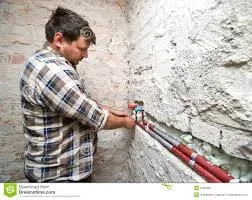
Hamilton Heights Plumbing and Heating
Hamilton Heights Plumbing and Heating is a family-operated plumbing and heating service based in Manhattan, NY, with over two decades of expertise. Founded by master plumber Matthew, who is supported ...
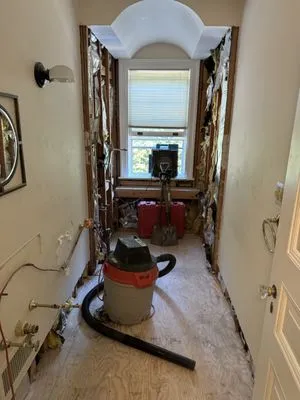
South Hill Group is a White Plains-based contractor with over 20 years of specialized experience in construction, trenching, and pipe work. We provide expert drainage, sewer, and water line solutions,...
Browns Plumbing Heating and Air Conditioning
Browns Plumbing Heating and Air Conditioning is a trusted local provider in Cornwall-on-Hudson, NY, dedicated to the comfort and reliability of your home's essential systems. We specialize in professi...
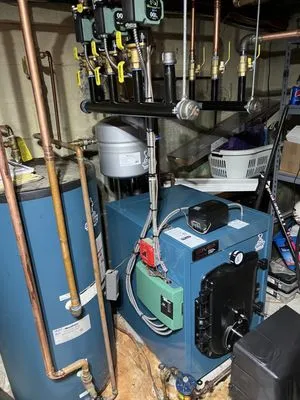
Spano Brothers is a trusted, family-owned plumbing company serving Yonkers, NY, and the surrounding Westchester communities. With deep roots in the area, they understand the specific plumbing challeng...
Quick Response is a licensed plumbing service provider based in Port Chester, NY, serving both Connecticut and New York areas. We offer a comprehensive range of plumbing solutions, from routine instal...
Since 1986, Backflow Joe's has been the trusted local expert for certified backflow testing, repairs, and installations throughout New York State. Based in Eastchester, our NEWWA-certified and license...
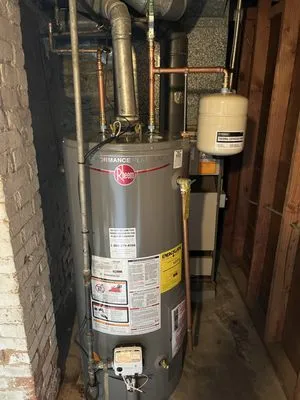
Saggese Plumbing & Gas
Saggese Plumbing & Gas is a fully licensed, bonded, and insured plumbing contractor serving Campbell Hall and the wider Hudson Valley. We provide a comprehensive range of services to meet the needs of...
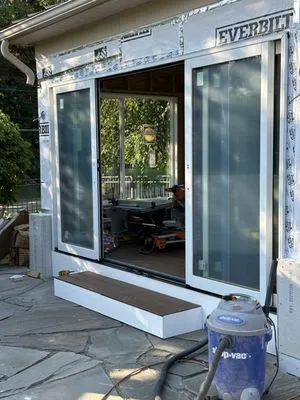
With over 25 years in construction and a decade specializing in kitchens and bathrooms, I founded Handyman Repairs in Bloomingburg to help local homeowners and property managers. Our mission is to pro...
Estimated Plumbing Costs in Pawling, NY
Q&A
How does hilly terrain around Pawling affect my home's plumbing?
Hilly slopes near Pawling Nature Reserve create drainage challenges that stress main lines. Soil movement on inclines can shift pipes, causing misalignment or cracks at connections. Proper grading and secure pipe anchoring prevent these issues, especially during wet seasons.
My Pawling home was built around 1953. Should I be worried about my plumbing?
Galvanized steel pipes installed in 1953 are now 73 years old. In Village Center, homeowners often see reduced water pressure and rust-colored water as these pipes corrode internally. The steel walls thin over decades, making them prone to sudden failures. Many houses from that era need pipe replacement to avoid emergency leaks.
Does hard water from private wells damage plumbing systems?
Hard water causes scale buildup inside water heaters and fixtures, reducing efficiency and lifespan. In water heaters, sediment accumulation at the bottom increases energy costs and can cause overheating. Fixtures like showerheads and faucets develop reduced flow as mineral deposits clog aerators.
Why do old galvanized pipes in Pawling fail so often?
Galvanized steel from 1953 suffers from internal corrosion that causes pinhole leaks and joint calcification. Mineral deposits build up at connections, restricting flow and weakening seals. These failures typically occur at threaded fittings or where pipes bend, leading to drips or bursts.
What should Pawling homeowners do before spring thaw to prevent plumbing issues?
Insulate exposed pipes in crawl spaces or basements before temperatures drop to 15°F. Disconnect garden hoses and shut off outdoor water valves to prevent freeze damage. Check for leaks in early spring when ground thaw shifts pipes, as this is when many hidden problems surface.
Who handles permits for plumbing work in Pawling?
I manage all required permits through the Town of Pawling Building Department and maintain New York State Department of State credentials. This includes septic approvals, well modifications, and pipe replacement authorizations. Handling the red tape ensures your project meets local codes without delays.
How quickly can a plumber reach my home in Pawling?
Heading past Pawling Nature Reserve on NY-22 gets me into most neighborhoods within 45-60 minutes. This route covers central areas efficiently, though hilly backroads might add a few minutes. I plan dispatch to minimize travel time so I can start work promptly.
Are there special plumbing considerations for rural Pawling homes?
Homes with private wells and septic systems require regular maintenance to avoid contamination and backups. Well pumps need checking for pressure consistency, while septic tanks should be inspected every 3-5 years. Rural settings often mean longer supply lines that benefit from pressure regulators.
