Top Emergency Plumbers in Olive, NY, 12412 | Compare & Call

There are 238 plumbing companies server in Olive NY
Monzon is a trusted home services provider in Jersey City, NJ, specializing in comprehensive plumbing, electrical, and installation solutions. With many local homes experiencing common issues like bro...
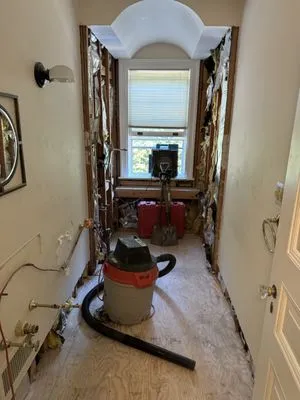
South Hill Group is a White Plains-based contractor with over 20 years of specialized experience in construction, trenching, and pipe work. We provide expert drainage, sewer, and water line solutions,...
Browns Plumbing Heating and Air Conditioning
Browns Plumbing Heating and Air Conditioning is a trusted local provider in Cornwall-on-Hudson, NY, dedicated to the comfort and reliability of your home's essential systems. We specialize in professi...
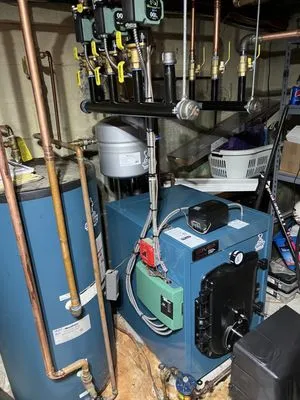
Spano Brothers is a trusted, family-owned plumbing company serving Yonkers, NY, and the surrounding Westchester communities. With deep roots in the area, they understand the specific plumbing challeng...
Quick Response is a licensed plumbing service provider based in Port Chester, NY, serving both Connecticut and New York areas. We offer a comprehensive range of plumbing solutions, from routine instal...
Since 1986, Backflow Joe's has been the trusted local expert for certified backflow testing, repairs, and installations throughout New York State. Based in Eastchester, our NEWWA-certified and license...
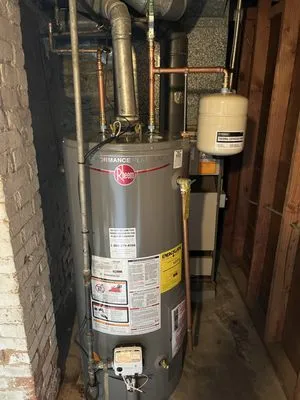
Saggese Plumbing & Gas
Saggese Plumbing & Gas is a fully licensed, bonded, and insured plumbing contractor serving Campbell Hall and the wider Hudson Valley. We provide a comprehensive range of services to meet the needs of...
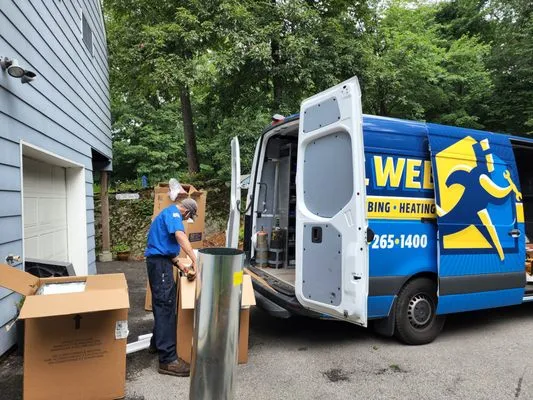
T.Webber Plumbing, Heating, Air & Electric
T.Webber Plumbing, Heating, Air & Electric was founded in Cold Spring by Tom Webber in 1989. Born and raised in Dutchess County, Tom built the company from a one-truck operation into a trusted Hudson ...

CGK Plumbing & Heating is a family-owned and operated business serving New Windsor, NY. Our dedicated team is built on a foundation of integrity, honesty, and accountability, ensuring we deliver relia...
McGar and Son Plumbing and Heating
McGar and Son Plumbing and Heating is a family-owned and operated business serving Wurtsboro and the surrounding areas. We are dedicated to providing reliable solutions for your home's plumbing and he...
Estimated Plumbing Costs in Olive, NY
Q&A
Does well water ruin my water heater faster?
Acidic, corrosive well water common here accelerates wear on all appliances. In water heaters, it attacks the glass lining and anode rod, leading to premature tank failure and sediment buildup. Fixtures show blue-green staining, and supply lines can corrode from the inside. Installing a properly sized neutralizer at the wellhead is the most effective defense for your entire plumbing system.
What's the most important plumbing prep for winter in Olive?
Insulate any pipe runs in unheated crawlspaces or against foundation walls exposed to the north wind. A hard freeze around 15 degrees can split a pipe in hours. The bigger threat is the spring thaw, when ground shifts from freezing can stress main line connections. Check your main shutoff valve every fall to ensure it operates smoothly before you need it.
Do I need a permit from the Town of Olive to replace my water heater?
Yes, most plumbing work in Olive requires a permit from the Town Building Department. As a Master Plumber licensed by the New York State Department of State, I handle pulling the permit, scheduling inspections, and ensuring the work meets all code. Homeowners should never apply for their own plumbing permit; it creates liability and complicates the process.
How long does it take for a plumber to get out to Olive?
Heading past Ashokan Reservoir on State Route 28, our dispatch route is straightforward but subject to seasonal traffic and weather. From the time you call, a 45 to 60 minute response is standard for most service calls in Olive. For true emergencies, we can often shave that down by routing directly from a previous job in the area.
Why do my copper pipes keep springing pinhole leaks?
Copper from the early 70s is prone to a specific failure mode called Type M pitting. Aggressive water from private wells, combined with over fifty years of service, causes localized corrosion that eats through the pipe wall from the inside. The leaks often cluster along horizontal runs or just downstream of fittings. This isn't a defect; it's the predictable wear-out phase for that generation of pipe.
My copper pipes are from the early 70s. What kind of problems should I expect?
Copper plumbing installed around 1971 is now 55 years old. We're seeing a predictable pattern of failure in Shokan homes from this era. The pipe walls thin over decades, leading to pinhole leaks that often appear first in hot water lines and at elbow joints. Once one leak is repaired, it's common for another to develop nearby within a year or two. This is the typical end-of-service-life cycle for original copper.
Could the hilly property around the Ashokan be causing my drainage issues?
Hilly terrain puts constant, uneven stress on buried main water lines and drain pipes. Settlement over decades can cause joints to separate or pipes to crack. Drainage problems often stem from the slope directing surface water toward your foundation instead of away from it. Proper grading and securing the main line where it enters the house are critical in this landscape.
Are there special considerations for plumbing in a rural area like Olive?
Rural systems are entirely self-contained. Your well pump and pressure tank are your water utility, and your septic field is your sewer. Maintenance like checking the pump pressure, testing the septic baffle, and protecting the wellhead from runoff becomes your responsibility. Understanding these components is as important as knowing what's inside the house.
